
Plants
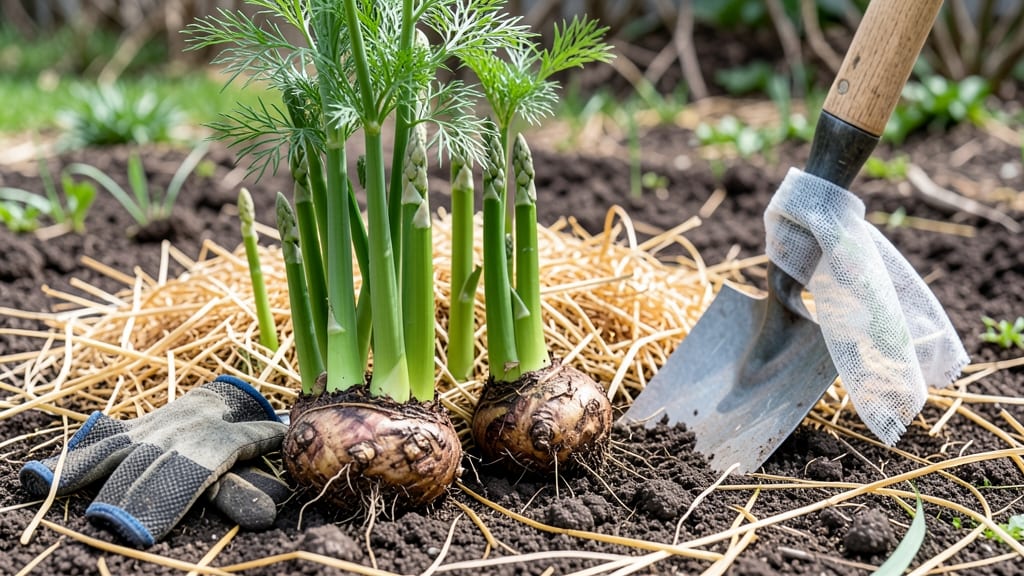
Planting asparagus in Minnesota isn’t just about timing—it’s about giving those 🌱 crowns the perfect window to establish roots before frost strikes. If you wait too late, you’ll miss the chance for strong growth, and if you go too early, cold soil can stall progress.
The ideal planting schedule depends on your zone, but most Minnesota gardeners should aim for early spring—right when the ground thaws and before April 15.
Why does this matter? Asparagus is a perennial crop, meaning it’ll reward you for years if planted correctly. In zones 3b-5b, where frost lingers longer, getting those crowns in the ground by late March or early April ensures they have 120-150 frost-free days to grow.
That’s the key to avoiding stunted plants and maximizing your harvest come May or June.
But here’s the catch: planting asparagus isn’t a one-size-fits-all task. Soil temperature, drainage, and even whether you’re using crowns or seeds play a role. I’ll walk you through the exact steps—from prepping your bed to avoiding common mistakes—that’ll set your asparagus up for success in Minnesota’s unpredictable climate.
Ready to skip the guesswork? Let’s dive into the step-by-step schedule that’ll have your asparagus thriving for decades, not just a single season.
Optimal asparagus planting months in Minnesota by hardiness Zone
Asparagus thrives in Minnesota’s USDA Zones 3-5, but the exact planting window varies by zone due to frost risks and soil thaw timing. In colder Zone 3, aim for late April to early May when soil reaches 50°F consistently.
Warmer Zone 4 gardeners can plant as early as mid-April, while Zone 5 offers flexibility from March to early April.
Soil temperature is critical—asparagus crowns rot in cold, wet soil. Use a soil thermometer to confirm 50°F+ at 4-inch depth before planting. In Minnesota, this typically aligns with last frost dates, but always check your local USDA frost calendar for precision.
Frost risk is the biggest threat: planting too early exposes young roots to sub-freezing temps, while late planting delays root establishment. Minnesota’s first frost often arrives in mid-October, leaving just 120-150 frost-free days—perfect for asparagus’ 2-3 year establishment period.
For Zone 3 gardeners, late April planting is ideal—this gives roots time to establish before summer heat stress. In Zone 4, aim for mid-April when soil thaws sufficiently. Zone 5 offers the earliest window: March if soil is workable, but early April is safest for most regions.
Use crowns (not seeds) for Minnesota’s climate—they establish faster. Soak crowns in lukewarm water for 2 hours before planting to stimulate root growth. Plant 6-8 inches deep in well-draining soil with a 3-inch layer of compost mixed in.
After planting, mulch heavily with straw to retain moisture and protect roots. In Zone 3, add 4-6 inches of mulch; in Zones 4-5, 3 inches suffices. This insulation is critical for overwintering success and spring regrowth.
Monitor soil moisture—asparagus needs 1-2 inches of water weekly during establishment. Let soil dry slightly between waterings to prevent root rot, a common issue in Minnesota’s clay-heavy soils. Drip irrigation works best to avoid wetting foliage.
First-year asparagus won’t produce spears—focus on root development. In Year 2, harvest 5-10 spears to encourage growth.
By Year 3, you’ll get a full harvest if planted at the right time. Zone 5 gardeners may see spears 2 weeks earlier than Zone 3 due to longer growing seasons.
Pro tip: Mark your planting dates on a garden calendar to track progress. In Minnesota, asparagus planted in April typically yields 20-30% more than late-May plantings due to extended root growth before winter.
Preparing asparagus crowns for Minnesota’s short growing season
Minnesota’s short growing season demands extra care when planting asparagus crowns. Unlike warmer climates, we only have 120-150 frost-free days to establish strong roots before winter sets in. That means prepping your soil and crowns properly is non-negotiable—skipping steps here can lead to stunted plants or even failure.
The key? Start early with well-draining soil and proper spacing to give your asparagus the best shot at survival.
First, focus on soil preparation. Asparagus thrives in loose, sandy loam with a pH between 6.5 and 7.5. If your soil is heavy clay, amend it with compost and coarse sand to improve drainage.
A soil test is worth the investment—Minnesota’s alkaline soils often need sulfur or peat moss to lower pH. I’ve found that adding 2-3 inches of compost to the planting bed works wonders for nutrient retention.
Once your crowns are in the ground, patience is key. Asparagus takes 2-3 years to establish before you can harvest spears. During this time, focus on watering deeply (1-2 inches per week) and fertilizing lightly in early spring with a 10-10-10 balanced fertilizer.
Over-fertilizing leads to lush foliage but weak spears—something I learned the hard way in my first attempt!
For Minnesota’s zone 4/5 gardeners, timing your planting right ensures your asparagus bed becomes a low-maintenance perennial that outproduces annual crops. By following these steps, you’ll give your crowns the best chance to survive the winter and reward you with harvests for decades.
Just imagine pulling fresh spears from your garden in May or June—it’s worth the upfront effort!
Pro tip: If you’re planting in late March or early April, consider using row covers to extend the growing season. This simple trick can add 2-3 extra weeks of warmth, giving your asparagus that critical head start before Minnesota’s unpredictable spring weather shifts. 🌱