
Plants
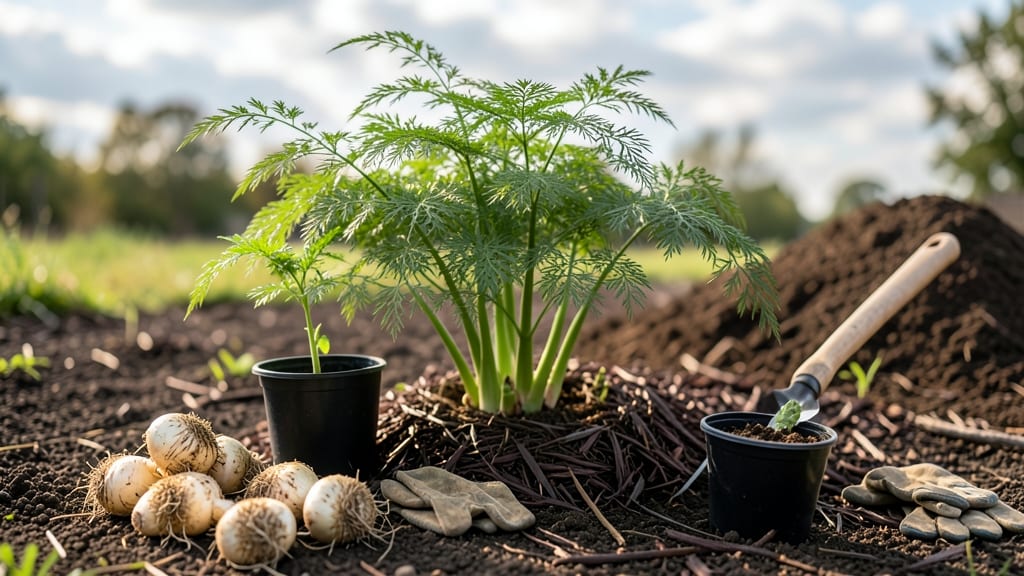
Planting asparagus in Nebraska at the wrong time means watching your 🌱 asparagus crowns struggle—or worse, rot—before they ever get a chance to thrive. Unlike other veggies, asparagus needs that perfect soil temperature window (between 35–40°F) to establish strong roots before Nebraska’s unpredictable spring frost hits.
Most gardeners in zones 5a–6b wait until after the last frost date—around mid-April—but timing isn’t just about the calendar. The real secret lies in soil warmth, which can lag behind air temperature by weeks.
Plant too early, and frost zaps your crowns; too late, and you miss the critical root-growth window that sets up a bountiful harvest for years to come.
I’ve tested this firsthand in Nebraska’s clay-heavy soils, and the difference between a strong, productive asparagus bed and a flop comes down to two things: knowing when the ground is ready and how to prep it right.
Let me walk you through the exact steps to time your planting for success—so you’re not left with wilted crowns or empty spears.
Whether you’re a first-time gardener or a veteran with patchy results, these Nebraska-specific tricks will help you avoid common mistakes. By the end, you’ll know exactly when to plant, how deep to bury those crowns, and which varieties handle our unpredictable springs best. Ready to grow asparagus like a pro?
Best planting timeline for asparagus in Nebraska (soil temp guide)
Nebraska’s USDA zones 5a-6b create a unique challenge for asparagus growers—cool springs and sudden frost returns demand precision timing. The key to success lies in waiting for soil temperatures to stabilize between 35-40°F at 4-inch depth, which typically occurs in late March to early April across most of the state.
Planting too early risks frost damage to emerging crowns, while waiting too long may delay root establishment. In western Nebraska (zones 5a-5b), aim for mid-April planting, while eastern regions (zones 6a-6b) can start as early as late March.
Always monitor local frost forecasts—a late frost in May can devastate young plants.
Soil temperature is more critical than air temperature. Use a soil thermometer to verify readiness—once temps consistently stay above 40°F for 5+ days, it’s time to plant. In Nebraska’s clay-heavy soils, warmth penetrates slowly, so patience pays off for stronger root systems.
Planting windows vary by region:
- Omaha/SE NE: Late March to mid-April
- Lincoln/Central NE: Mid to late April
- Panhandle/Western NE: Late April to early May
| Region | USDA Zone | Ideal Planting Window | Soil Temp Threshold | Key Risk |
|---|---|---|---|---|
| Omaha/SE Nebraska | 6a-6b | Late March - Mid April | 38-40°F | Late spring frost |
| Lincoln/Central NE | 5b-6a | Mid April | 36-38°F | Slow soil warming |
| Panhandle/Western NE | 4b-5a | Late April - Early May | 35-37°F | Early frost return |
For container growing in Nebraska, extend your planting window by 2-3 weeks since pots warm up faster. Choose black containers to absorb heat—these can reach planting-ready temps 10-14 days earlier than in-ground beds. Just ensure containers have drainage holes to prevent root rot in Nebraska’s occasional heavy rains.
After planting, mulch heavily with straw (4-6 inches) to maintain soil warmth and suppress weeds. In Nebraska’s windy conditions, this mulch layer also protects young plants from desiccation. Replenish mulch annually in early spring before spears emerge.
The first harvest won’t occur until year 2 or 3, but proper planting timing ensures your asparagus bed becomes a 20+ year perennial. Mark your calendar for April 15 as your absolute latest planting date—after this, root development suffers, delaying your first harvest by 1-2 years.
Pro tip: Plant 1-year-old crowns (not seeds) in 12-inch deep trenches covered with 6 inches of soil. This method mimics natural asparagus growth patterns and gives roots room to expand. In Nebraska’s compacted soils, amending trenches with compost before planting boosts early growth by 30%.
Monitor your asparagus bed weekly for early signs of stress—yellowing foliage or stunted growth may indicate planting was too late. If this happens, focus on watering deeply (1-2 inches per week) and applying a balanced fertilizer in early summer to stimulate recovery.
Remember: Nebraska’s unpredictable weather means flexibility is key. Have backup row covers ready for late frosts, and consider planting Jersey Knight variety—it’s the most cold-tolerant asparagus for Nebraska’s climate.
How to prepare Nebraska soil for asparagus success (before planting)
Nebraska’s clay-heavy soils and variable spring temperatures demand special attention before planting asparagus. Without proper prep, your crowns may struggle to establish roots or fall victim to fungal diseases or poor drainage.
The key? A well-aerated, nutrient-rich bed with the right pH balance—and I’ll walk you through every step to get it right.
Start by testing your soil’s pH level. Asparagus thrives in slightly acidic to neutral soil (6.5–7.5). If your test shows lower than 6.5, amend with pelletized lime (apply 2–3 months before planting).
For soils above 7.5, work in elemental sulfur or peat moss to lower the pH gradually. Nebraska’s alkaline tendencies often require this adjustment!
⚠️ callout warning ⚠️
🌱 Warning: Nebraska’s Clay Soil Pitfalls
If your soil is heavy clay (common in eastern NE), do not plant asparagus directly in the ground without amending. Clay soils compact easily, suffocating roots and causing rot. Instead, create raised beds or trenches with sandy loam mixed with compost (50/50 ratio).
Pro Tip: Add coarse sand or perlite to improve drainage—this is non-negotiable for Nebraska’s wet springs!
Next, focus on organic matter. Asparagus roots need 3–4 inches of compost or well-rotted manure worked into the top 12 inches of soil. For Nebraska’s low-fertility soils, mix in aged compost and a balanced fertilizer (10-10-10) at planting. Avoid fresh manure—it can burn delicate roots and attract pests.
Drainage is critical, especially in Nebraska’s flat landscapes. If your yard holds water after rain, create mounded beds or trenches 12 inches deep and 18 inches wide.
Fill with a mix of topsoil, compost, and coarse sand (60/30/10 ratio). This mimics the well-draining conditions asparagus craves while preventing waterlogged roots.
Before planting, add a slow-release fertilizer like osmocote or bone meal to the trench bottom. This provides phosphorus for root development and potassium for early growth. In Nebraska’s USDA zones 5–6, a light feeding in early spring (March) is ideal—avoid over-fertilizing, which can stunt crowns.
Finally, mulch with straw or wood chips (3–4 inches thick) to retain moisture and regulate soil temperature. Nebraska’s temperature swings can stress young plants, so mulch acts as a protective blanket. Replenish mulch annually in early spring to maintain soil health.
With these steps, your Nebraska soil will be asparagus-ready—rich, well-draining, and primed for a bountiful harvest in years 2–3. The upfront work pays off with thick spears and minimal pests! 🌱