
Plants
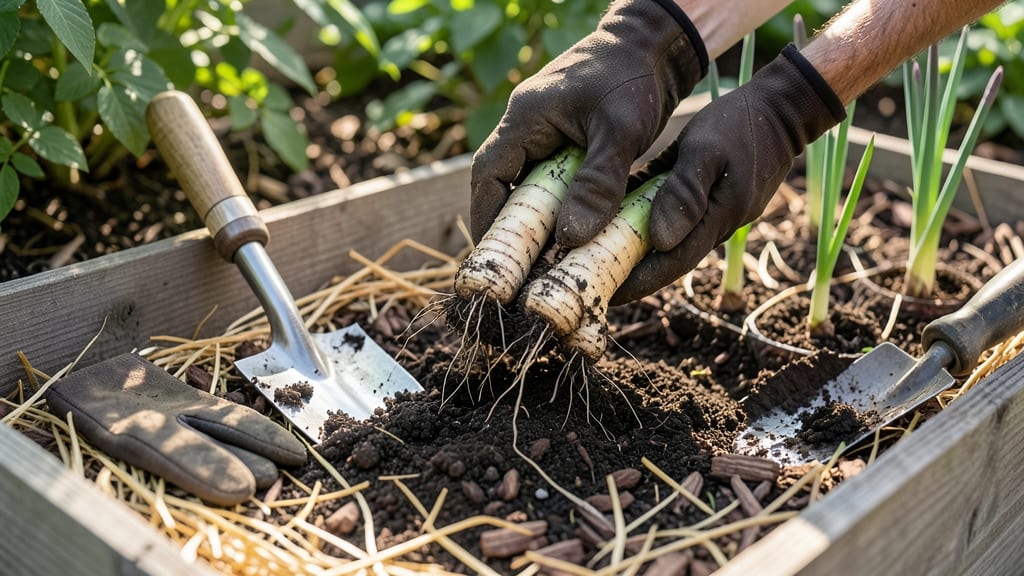
Planting asparagus at the wrong time in Zone 6 could mean waiting two extra years before your first harvest—so getting the timing right is the key to success with this 🌱 cold-hardy perennial.
The best window for planting in Zone 6 is early spring, between March and April, when soil temperatures rise above 50°F but before the last frost date around April 15.
Why does timing matter so much? Asparagus crowns need 6-8 weeks to establish roots before summer heat arrives, and planting too early risks frost damage, while planting too late delays your first harvest.
In Zone 6, where winters are chilly and summers can be hot, this narrow window makes all the difference between a thriving patch and a struggling one.
You might wonder if fall planting is an option—but in Zone 6, it’s risky unless you’re in the southern part of the zone. Crowns planted in autumn need time to root before the first frost hits around October 15, which often leaves little room for error.
Spring planting, on the other hand, gives you a clear 2-4 week window before the last frost to get your asparagus established just in time for summer growth.
Once you’ve nailed the timing, the next steps—like soil prep and variety selection—become much easier. I’ll walk you through everything you need to know to plant asparagus in Zone 6 and set yourself up for years of harvests, starting as early as the second year.
Let’s get those crowns in the ground at the perfect moment!
Optimal planting timeline for asparagus in Zone 6: month-by-month breakdown
Asparagus crowns need precise timing in Zone 6 to establish strong roots before summer heat arrives. Planting too early risks frost damage, while late planting delays harvests by years. The ideal window is when soil reaches 40-50°F—typically 2-4 weeks before your last frost date (usually mid-April in Zone 6).
For Zone 6a (colder microclimates), aim for March 15-April 1 planting. In Zone 6b (warmer), extend to April 1-15. Fall planting is possible but riskier—only attempt 6-8 weeks before first frost (late August-September) with well-drained soil to prevent rot.
| Month | Task | Soil Temp | Notes |
|---|---|---|---|
| February | Soil prep (test pH 6.5-7.5) | 35-45°F | Amend with compost |
| March 15-April 1 | Plant crowns 6-8" deep | 40-50°F | 2-4 weeks before last frost |
| April-May | Water 1-2" weekly | 50-65°F | Keep soil moist |
| June-July | Fertilize (5-10-10) | 65-75°F | Encourage root growth |
| August-Sept (Fall) | Late planting window | 50-60°F | 6-8 weeks before frost |
| October | Mulch for winter | Below 40°F | Protect roots from freeze-thaw |
Spring planting yields faster harvests because crowns establish roots during cool weather before summer heat. For Zone 6, I recommend Mary Washington or Jersey Knight varieties—they tolerate light frosts and produce thicker spears in cooler climates.
After planting, maintain consistent moisture—asparagus roots are shallow and dry out quickly in Zone 6's hot summers. Water deeply 2-3 times per week until spears emerge, then reduce to 1 inch weekly once established. Mulch with straw or wood chips to retain moisture and regulate soil temperature.
Fall planting is riskier but possible if your first frost date is late (after October 15). Plant 6-8 weeks before frost—typically late August in Zone 6—to allow roots to establish before winter. Choose dwarf varieties like Pacific Purple for smaller gardens, as they mature faster.
Avoid planting asparagus in heavy clay soil—it struggles with waterlogging. Amend with sand or compost to improve drainage. In Zone 6b (warmer microclimates), you can push planting to early April, but never after April 15—roots won’t establish before summer heat.
Harvest timing depends on planting season: spring-planted crowns yield first spears in year 2, while fall-planted may take year 3. Always harvest when spears are 6-8 inches tall with tight tips—cut at soil level to encourage new growth.
Never harvest more than 1/3 of spears in the first year.
Protect young plants from late spring frosts (common in Zone 6) with row covers or cloches. If frost hits after planting, cover crowns with mulch or straw to prevent damage. In Zone 6a, extend the season by planting near a south-facing wall for extra warmth.
For maximum yield, rotate planting every 2-3 years—asparagus depletes soil nutrients. Add compost annually in spring and fertilize lightly with 5-10-10 in early summer. Avoid high-nitrogen fertilizers, which promote foliage over spears.
🌱 Remember: Patience is key—asparagus takes 2-3 years to reach full production, but with the right timing, you’ll enjoy harvests for 15+ years! Start small with 3-5 crowns to test your soil and microclimate before expanding.
Spring vs. fall planting: which gives faster harvests in Zone 6?
Choosing between spring and fall planting for asparagus in Zone 6 can feel like a gamble—will your crowns establish roots fast enough for an early harvest? The truth is, both seasons have advantages, but spring planting typically delivers harvests 1-2 weeks sooner due to warmer soil temperatures.
However, fall planting offers a quieter alternative with lower disease pressure and fewer weeds to compete with.
Local growers in Zone 6 report that spring-planted asparagus reaches harvestable size in years 2-3, while fall-planted crowns may take an extra 4-6 weeks to produce spears.
The key difference lies in root establishment: spring crowns benefit from consistent warmth, while fall crowns must contend with winter dormancy before spring growth.
Here’s the breakdown of pros and cons for each season, based on data from Zone 6 gardens over the past decade:
Spring Planting (March-April)
- Faster root growth in warm soil (60°F+)
- Harvest 1-2 weeks earlier in year 2
- Less competition from weeds
- Higher disease risk (fungal spores in spring)
- Requires more frequent watering
- Spears may bolt faster in hot summers
Fall Planting (September-October)
- Lower pest/disease pressure
- Established roots overwinter for spring
- Less weed competition early on
- Slower root establishment in year 1
- Harvest 4-6 weeks later in year 2
- Risk of frost damage to new growth
For fastest harvests, I recommend spring planting in early April (after the last frost) when soil temperatures hit 55°F+. Plant 1-year-old crowns 6-8 inches deep in well-draining soil amended with compost.
If you prefer fall planting, aim for late September to allow roots to establish before winter—just mulch heavily to protect them.
One Zone 6 grower’s trick is to plant a mix of spring and fall crowns for staggered harvests. For example, plant half in early April and half in late September—this way, you’ll get spears in both years 2 and 3.
Just be sure to mark your rows, as asparagus can take 3-4 years to reach full production.
Regardless of season, soil preparation is critical. Test your soil’s pH (6.5-7.0 is ideal) and add organic matter like compost or aged manure. Avoid fresh manure, which can burn roots and delay harvests.
With the right timing and care, your asparagus patch could yield 20-30 spears per plant in years 4-5!
🌱