
Plants
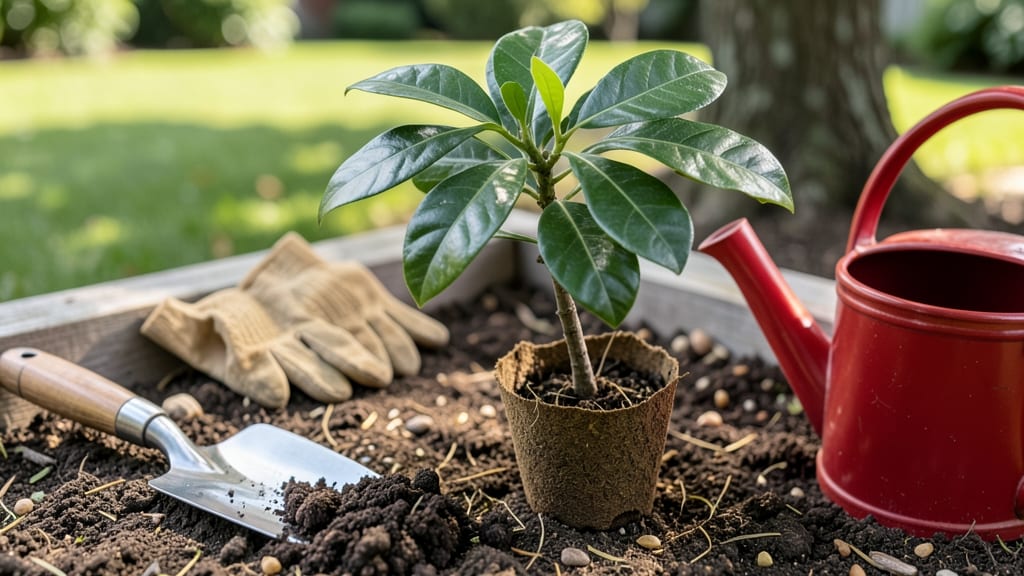
Planting an avocado seed in the soil too soon can leave you waiting years—or never seeing sprouts. The key to success lies in understanding chill-hour needs, which vary dramatically by variety and climate, especially in USDA Zone 6 where frost looms just months after planting.
Most gardeners assume spring is the only window, but timing depends on whether your avocado needs 100-200 chill hours (like Hass) or none at all (like Mexican varieties).
In Zone 6, that means waiting until late April or May—after last frost but when soil has warmed to at least 60°F—to avoid rot or dormancy.
Here’s the game-changer: Cold stratification (mimicking winter) can jumpstart germination for chill-dependent varieties, even in warm climates. I’ll show you exactly how to time it—whether you’re planting in California’s mild winters or Florida’s frost-free growing season.
Skip the guesswork and learn the precise planting windows for your variety, plus container hacks for impatient gardeners. Let’s turn that seed into a tree—without the years of waiting.
Avocado chill-hour requirements by variety for successful soil planting
Avocado seeds need chill hours—periods of cool temperatures—to break dormancy and germinate successfully. Without adequate cold exposure, your seed may rot or remain dormant indefinitely.
Understanding variety-specific chill-hour needs ensures you plant at the optimal time for your climate, whether you're in USDA Zone 9 or a cooler Zone 7 region.
Chill hours are calculated as the total time a seed experiences temperatures between 32°F and 50°F (0°C–10°C). For avocados, this cold exposure triggers the release of germination hormones.
In warm climates, like Southern California or Florida, you may need to simulate chill hours artificially, while gardeners in temperate zones can rely on natural winter conditions.
Below is a breakdown of chill-hour requirements for popular avocado varieties, along with recommended planting windows for your region. Hass avocados, the most common variety, require the most chill hours, while Mexican varieties often need fewer.
🌱 Key Insight: Planting too early in warm soil can cause seeds to rot, while planting too late may delay germination. Aim for soil temperatures above 60°F (15°C) after chill hours are met.
| Variety | Chill-Hour Needs | Best Planting Window | Climate Zones | Notes |
|---|---|---|---|---|
| Hass | 400–600 hours | Late winter–early spring (Feb–Mar) | Zones 8–10 (needs stratification) | Most popular; requires cold. |
| Fuerte | 200–300 hours | Early spring (Mar–Apr) | Zones 9–11 (mild winters) | Thin skin; fewer chill hours. |
| Bacon | 100–200 hours | Spring (Apr–May) | Zones 10–11 (tropical) | Heat-tolerant; minimal chill needs. |
| Mexican (e.g., 'Lamb Hass') | 0–100 hours | Year-round (warm climates) | Zones 10–11 | No stratification needed. |
| Wurtz | 300–400 hours | Late winter (Jan–Feb) | Zones 8–9 | Dwarf variety; slower growth. |
In USDA Zone 7 or cooler, Hass avocados thrive with natural winter chill, while Zone 9+ gardeners may need to stratify seeds in the fridge for 4–6 weeks before planting. For container growing, place pots in a cool garage or basement during winter to mimic chill hours.
If you're in a frost-free zone, like Florida or Southern California, plant Mexican varieties in early spring (March–April) for the best results. These varieties skip the chill requirement entirely, making them ideal for warm-climate gardens.
For Hass and Fuerte varieties, wait until late winter when soil temperatures rise above 60°F (15°C). Planting too early in cold soil can stunt root growth or cause seed rot. Monitor local frost dates and aim to plant 2–4 weeks after the last frost.
Pro tip: Use a soil thermometer to confirm warmth before planting. Avocado seeds germinate best in 65–75°F (18–24°C) soil. If your climate lacks natural chill, refrigerate seeds for 6–8 weeks before planting to simulate winter conditions.
🌿 Regional Tip: In Zone 8, like parts of Texas or Arizona, plant Hass seeds in December–January to ensure they receive enough chill hours before spring warmth arrives.
Step-by-step guide to planting avocado seeds after chill hours are met
Now that your avocado pit has completed its required chill hours (typically 6-12 weeks in the fridge for most varieties), it’s time to plant it in soil. This is where many gardeners hit a snag—overwatering or planting too deep can kill your seed before it even sprouts.
The key is patience and precision, starting with the right soil mix and container setup. I’ll walk you through every step, from prepping your pit to maintaining the perfect moisture balance.
First, gather your supplies: a small container (4-6 inches deep), well-draining potting mix, a spray bottle, and a plastic wrap or humidity dome. Avoid garden soil—it’s too dense and can cause root rot. Instead, use a mix of cactus/succulent soil with perlite or sand for aeration.
If you’re planting directly in the ground, wait until soil temperatures reach 60°F+ and choose a sheltered, sunny spot to protect young seedlings from frost or harsh winds.
🌱 Step-by-Step Planting Process
-
1. Prep the Pit
Soak the pit in warm water for 24 hours to soften the outer shell. Scrub off any remaining fruit flesh with a soft brush to prevent mold. Let it dry for 1-2 days before planting. -
2. Planting Depth
Insert the pit halfway into the soil, with the pointy end up. Press gently but don’t compact the soil—avocado roots need air to grow. For containers, use a 4-inch pot to avoid overcrowding. -
3. Moisture Control
Water lightly until the soil is damp but not soggy. Place the container in a bright, indirect light spot (no direct sun yet). Cover with plastic wrap to retain humidity, but remove it daily for 10 minutes to prevent fungal growth. -
4. Germination Wait
Be patient—germination can take 2-12 weeks. Check soil moisture weekly; let the top 1 inch dry out between waterings. If the pit rots (black, mushy smell), replant a fresh one. -
5. Transplanting Seedlings
Once a 2-inch sprout emerges, move the seedling to a larger pot (6-8 inches) with fresh potting mix. Harden off for 1 week in outdoor shade before transplanting to the ground in spring.
One of the biggest mistakes I see is overwatering the pit, which leads to rot. Avocado seeds need consistent moisture but not a swampy environment. If you notice the soil staying wet for more than 3 days, reduce watering and ensure your container has drainage holes.
Another pitfall is planting too deep—the pit should never be fully buried, as it needs access to light for early growth. If you’re in a warm climate, skip the fridge step and plant directly in spring, but monitor soil temps closely.
After planting, place your container in a warm, sunny spot (like a greenhouse or south-facing window) but avoid direct midday sun, which can overheat the soil. If your home is dry, use a humidity tray with pebbles and water to create a microclimate.
Once the seedling reaches 6 inches tall, you can gradually introduce it to full sun over 2-3 weeks. Remember, avocado trees are slow growers—don’t rush the process, and expect fruit in 3-5 years for container-grown trees.
Troubleshooting is key: if your pit sprouts but the stem turns yellow or wilts, it’s often a sign of overwatering or nutrient deficiency. In this case, repot in fresh soil and reduce watering.
If the soil smells sour or the pit feels mushy, it’s rotting—start over with a new pit. With the right care, your avocado seedling will thrive and eventually reward you with homegrown fruit! 🥑