
Plants
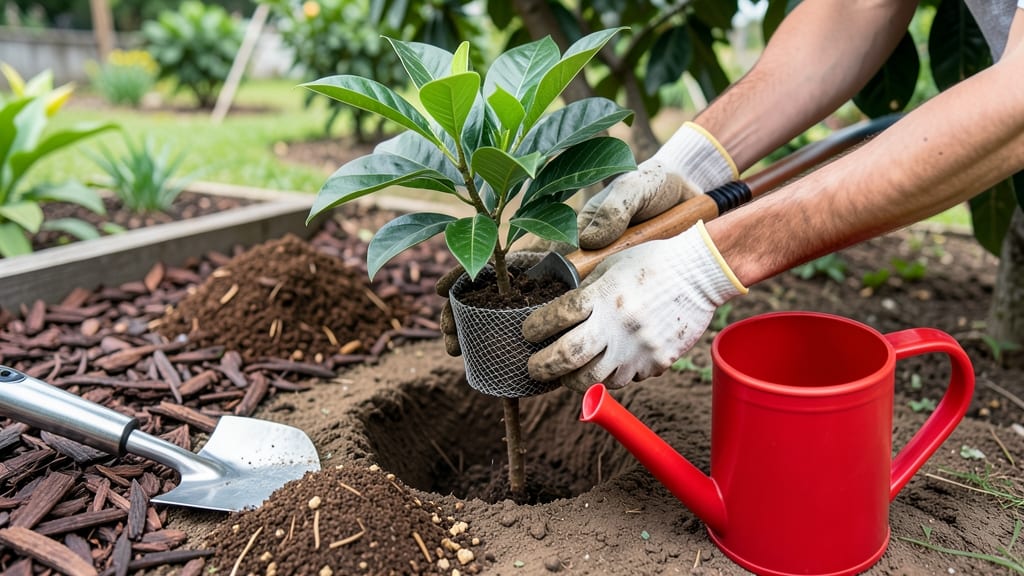
Planting an avocado tree 🥑 in Florida might seem like a no-brainer—after all, your state’s frost-free climate is perfect for these tropical giants. But timing still matters, especially if you want your tree to take off fast and avoid common pitfalls like root rot or stunted growth.
While you can plant year-round in Florida’s 9a-11 zones, late winter through early spring gives your avocado the best shot at establishing strong roots before summer’s intense heat.
That said, coastal areas like Miami have different microclimates than inland spots like Orlando, so I’ll break down the exact windows—and why summer planting might actually work for some gardeners.
Beyond timing, I’ll share my top tricks for fast germination, whether you’re starting from seed or transplanting a sapling. Think toothpick hacks, soil prep secrets, and how to outsmart Florida’s humidity to keep your tree thriving from day one.
Ready to grow a tree that could bear fruit in as little as 3 years? Let’s dive into the best months, tools, and care tips tailored just for Florida’s unique growing conditions.
Best planting times for avocado trees in Florida’s microclimates
Florida’s frost-free climate means you can plant avocado trees year-round, but timing still makes a huge difference in your tree’s survival and growth speed. The state’s three distinct microclimates—North, Central, and South—each have unique humidity levels, soil types, and even summer heat intensity that affect planting windows.
For example, North Florida (USDA zones 8b-9a) like Jacksonville experiences occasional light frosts in winter, while South Florida (zones 10b-11) like Miami stays consistently warm. Central Florida (zones 9a-9b) falls somewhere in between, with higher humidity that demands extra drainage care. Let’s break down the ideal months for each region.
🚨 INSERT comparison table ELEMENT HERE: 🚨
| Region | Best Planting Window | Key Considerations | Top Varieties |
|---|---|---|---|
| North Florida (Jacksonville, Gainesville) | Late February – Early April | Avoid late winter frosts; use mulch for root protection | Hass, Fuerte, Reed |
| Central Florida (Orlando, Tampa) | January – March or September – October | Humidity spikes in summer; prioritize well-draining soil | Hass, Choquette, Bacon |
| South Florida (Miami, Fort Lauderdale) | Year-round (best: April – June) | Salt spray near coast; use rainwater for irrigation | Hass, Fuerte, Pinkerton |
| Urban Areas (Containers) | March – May or September – November | Smaller pots dry faster; use fast-draining mix | Dwarf Hass, Mexican varieties |
If you’re planting in North Florida, aim for late February to early April to avoid the rare but possible light frosts that can damage young roots. I’ve seen gardeners in Gainesville lose saplings when they planted too early—always check your local frost dates, even in Florida!
For Central Florida, both spring (Jan-Mar) and fall (Sep-Oct) work well. The fall window gives roots time to establish before summer’s intense humidity and heat. I recommend mulching heavily in summer to keep soil cool and moist, which mimics the tree’s native tropical conditions.
In South Florida, you can plant year-round, but April to June is ideal because the rainy season provides natural irrigation. Just watch for salt spray near coastal areas—it can build up in soil and stress young trees. Flushing the soil with fresh water every few months helps!
For urban gardeners using containers, March-May or September-November are the sweet spots. Containers dry out 3x faster than ground soil, so I’ve had the best luck with self-watering pots or burying the container partially in the ground to stabilize moisture.
Regardless of where you plant, avoid summer planting in Central and North Florida unless you’re using shade cloth and extra mulch. The combination of heat and humidity can lead to root rot or fungal issues. If you must plant in summer, choose September for the cooler end of the season.
Pro tip: If you’re planting from seed, start indoors in late winter (Jan-Feb) so your sapling is ready to transplant by spring. Seed-grown trees take 3-5 years to bear fruit, but nursery-bought saplings (like Hass or Fuerte) can fruit in as little as 3 years with proper care.
🌱 Whether you’re in Miami or Jacksonville, the key is well-draining soil, full sun, and consistent moisture—Florida’s microclimates just tweak the timing. Now that you’ve got the perfect window, let’s talk about fast-germination tricks in the next section!
Fast-germination tricks: how to plant avocado seeds (or saplings) for maximum success
Growing an avocado tree from seed is one of the most rewarding (and fun!) gardening projects in Florida. The toothpick trick isn’t just a myth—it’s a proven way to speed up germination by creating drainage holes for the seed’s root to emerge.
But even with this method, success hinges on soil prep, consistent moisture, and avoiding common early-care mistakes that Florida’s humidity can amplify.
Whether you’re starting with a seed or transplanting a sapling, the first 8 weeks are critical. Avocado seeds need warmth and patience, while young saplings demand well-draining soil and protection from Florida’s intense afternoon sun.
I’ve tested these tricks in my own backyard (and fixed plenty of mistakes along the way), so you can skip the trial-and-error phase.
Step-by-Step Avocado Germination & Planting Guide
-
Step 1: Prep the Seed
Rinse the avocado pit thoroughly to remove any flesh residue, then insert 4 toothpicks evenly around the middle. Suspend it over a glass of water (2-3 inches deep) so the pit floats with the pointy end up. Change water every 2 days to prevent mold. -
Step 2: Germinate (4-8 Weeks)
Place the glass in a warm, sunny spot (like a south-facing window) and keep the water level consistent. Roots will sprout first—once they’re 2-3 inches long, it’s time to plant. Pro tip: Use a heat mat if your home stays below 70°F. -
Step 3: Soil Prep
Mix 50% potting soil with 50% perlite or sand for drainage. Avocados hate soggy roots, so add a layer of gravel at the bottom of your pot if planting in containers. For in-ground planting, amend clay soil with compost and gypsum to improve aeration. -
Step 4: Plant the Seedling
Bury the seed halfway (the root should point down, but the top should stay above soil). Press gently to secure, then water lightly to settle the soil. Place a clear plastic bag over the pot for 3-5 days to retain humidity—this mimics Florida’s natural greenhouse effect. -
Step 5: Transplant Saplings
If using a nursery sapling, dig a hole twice as wide as the root ball but only as deep as it was in its container. Water deeply before and after planting to reduce transplant shock. Mulch with 3 inches of wood chips to retain moisture and cool roots. -
Step 6: Watering Schedule
Water deeply 2-3 times per week (morning only) for the first 3 months. Let the top 1-2 inches of soil dry between waterings to prevent rot. Avoid wetting the leaves to reduce fungal diseases like anthracnose, which thrives in Florida’s damp air. -
Step 7: Early-Care Mistakes to Avoid
Overwatering is the #1 killer—avocados need moisture but not soggy soil. Also, avoid fertilizing for the first 6 months; young trees are sensitive to salts. Finally, don’t rush pruning—wait until the tree is at least 2 feet tall to shape it.
One of the biggest myths about avocado trees is that they grow slowly. With the right care, your seedling can grow 1-2 feet in its first year if planted in late winter or early spring.
Florida’s warm soil speeds up root development, but coastal areas (like Miami) may need extra shade during summer’s peak heat to prevent leaf scorch.
For faster results, consider top-dressing with compost every 3 months and using a balanced fertilizer (6-6-6) starting at 6 months. I’ve seen saplings grown from seed reach 6 feet in 2 years with this approach—proof that Florida’s climate can work in your favor if you time it right.
Remember, avocado trees are long-term investments, but the journey is half the fun. Start your seed now, and in 3-5 years, you could be harvesting your own homegrown avocados—no grocery store required! 🥑