
Plants
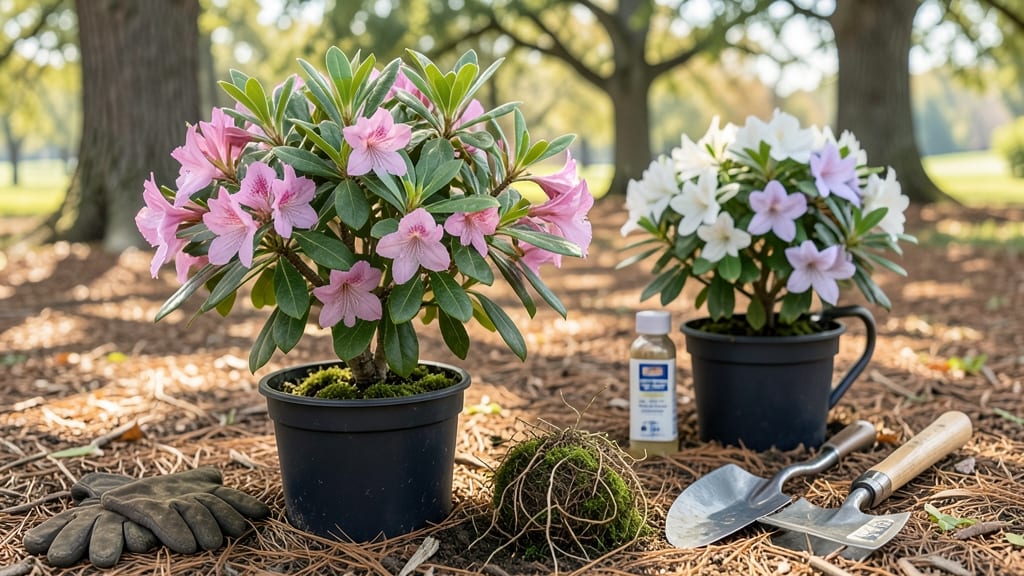
Planting azaleas in Arkansas at the wrong time could mean waiting years for those stunning blooms—or worse, losing your shrubs before they ever show off their 🌸 glory.
The secret to vibrant, thriving azaleas lies in matching your variety to Arkansas’s chill-hour zones, where timing isn’t just about seasons but about giving your plants the perfect winter wake-up call.
Most gardeners assume early spring is the only window, but fall planting—especially in October or November—gives roots time to establish before the heat of summer arrives.
This is especially true in zones 7a-8b, where the right timing can mean the difference between a lush, blooming shrub and one that struggles to take hold.
I’ve helped Arkansas gardeners transform their yards with azaleas that burst into color year after year, and the key starts with understanding your region’s microclimate.
Whether you’re in the cooler Ozark Mountains or the warmer Delta, we’ll break down the best months to plant, soil prep tips, and how to protect your new shrubs from Arkansas’s humidity and heat.
Ready to skip the guesswork? Let’s dive into the exact steps to plant your azaleas at the perfect moment—so you can enjoy those show-stopping blooms for seasons to come.
Arkansas chill-hour zones: matching azalea varieties for perfect blooms
Arkansas’s diverse climate creates four distinct chill-hour zones, ranging from 400–1,200 hours below 45°F. These zones determine which azalea varieties will thrive in your yard, as each type requires a specific winter "wake-up" period to trigger blooming.
For example, Southern Indica azaleas need fewer chill hours (400–600 hours) and excel in warmer southern regions, while Knaphill hybrids thrive with 800–1,200 hours and suit cooler northern areas.
Understanding your chill-hour zone isn’t just about survival—it’s about maximizing bloom intensity. A mismatched variety might survive but produce sparse, weak flowers. I’ve seen gardeners in Zone 7a (North Arkansas) struggle with Southern Indica varieties that fail to bloom because they didn’t get enough winter chill.
Meanwhile, Zone 8b (South Arkansas) gardeners often overlook hardier Exbury hybrids, which handle the heat better than delicate Girard hybrids.
Here’s how to match your azalea to Arkansas’s chill-hour zones for vibrant, reliable blooms every spring:
| Chill-Hour Zone | Best Azalea Varieties | Bloom Season | Arkansas Regions |
|---|---|---|---|
| 400–600 hours | Southern Indica ('Amabilis', 'Hino Crimson') | Early to mid-spring | South Arkansas (Zone 8a-8b) |
| 600–800 hours | Girard Hybrids ('George L. Taber', 'Hershey') | Mid-spring | Central Arkansas (Zone 7b-8a) |
| 800–1,000 hours | Knaphill Hybrids ('Bowl of Beauty', 'Pink Pearl') | Late spring | North Arkansas (Zone 7a) |
| 1,000–1,200 hours | Exbury Hybrids ('President Roosevelt', 'White Sim') | Early to mid-spring | Ozark Mountains (Zone 6b-7a) |
🌡️ Pro Tip: Use a chill-hour calculator or check with your local Arkansas Cooperative Extension for precise zone mapping.
If you’re in South Arkansas (Zone 8a-8b), focus on Southern Indica varieties like 'Amabilis' or 'Hino Crimson'. These azaleas bloom early and handle the warmer winters without needing excessive chill hours.
I’ve planted these in Little Rock and El Dorado, where they produce bold, long-lasting blooms with minimal fuss.
For Central Arkansas (Zone 7b-8a), Girard hybrids like 'George L. Taber' strike the perfect balance. They thrive in 600–800 chill hours and deliver mid-spring color that lasts for weeks. These varieties are also more disease-resistant than Southern Indicas, making them ideal for Arkansas’s humid summers.
Gardeners in North Arkansas (Zone 7a) should prioritize Knaphill hybrids like 'Bowl of Beauty' or 'Pink Pearl'. These azaleas need 800–1,000 chill hours to set buds properly, ensuring late-spring blooms that brighten up the cooler months.
I’ve seen these varieties flourish in Bentonville and Eureka Springs, where they handle the colder winters with ease.
In the Ozark Mountains (Zone 6b-7a), Exbury hybrids like 'President Roosevelt' are my top recommendation. They require 1,000–1,200 chill hours and produce large, showy flowers that stand out against the mountain backdrop. These varieties also tolerate slightly drier soil, which is a bonus for rocky Ozark gardens.
One common mistake I see is planting the wrong variety for your zone. For example, a Southern Indica in Zone 7a might survive but produce fewer blooms because it didn’t get enough winter chill.
Conversely, a Knaphill hybrid in Zone 8b could struggle to bloom at all. Always check the chill-hour requirements before purchasing, and when in doubt, ask your local nursery for zone-specific recommendations.
Once you’ve matched your azalea to the right chill-hour zone, planting in the correct season becomes the next critical step.
Fall planting (October–November) gives roots time to establish before summer heat arrives, while early spring planting (February–March) ensures your azalea gets the chill hours it needs to set buds for next year.
We’ll dive deeper into planting windows by region in the next section, but for now, focus on soil prep and variety selection to set your azaleas up for success.
With the right chill-hour match, your azaleas will reward you with vibrant blooms year after year, turning your Arkansas garden into a showstopping spring display. 🌸
Best planting months in Arkansas by region: north vs. south timing differences
Arkansas’s diverse climate means your azalea planting timeline should depend on whether you’re in the cooler Ozark Mountains or the warmer Delta region. In the north, where winters are crisper, you can plant as early as October—giving roots time to establish before first frost.
Meanwhile, in the south, where milder winters linger, November is your sweet spot to avoid heat stress during transplanting.
This regional difference isn’t just about frost dates—it’s about soil temperatures. Northern Arkansas’s cooler soils wake up earlier in spring, while southern soils stay warm longer. Planting at the wrong time in either zone can lead to transplant shock or stunted growth.
Let’s break down the exact windows for each region, plus soil prep steps to set your azaleas up for success.
| Region | Best Planting Window | Soil Temp Requirement | Key Consideration |
|---|---|---|---|
| Ozark Mountains (North) | October 1–November 15 | 50–60°F (10–15°C) | Cooler soils; plant before first frost (Nov 15) |
| Delta (South) | November 1–December 15 | 55–65°F (13–18°C) | Warmer soils; avoid summer heat |
| Both Regions (Spring) | February 15–March 15 | 45–55°F (7–13°C) | Soil must thaw; no late frost risk |
For both regions, fall planting is ideal because it allows roots to establish before summer’s heat. In the Ozarks, aim to finish by November 15 to avoid early frost damage. In the Delta, extend your window to December 15—the warmer soils give you extra time.
If you miss fall, don’t worry: early spring (February–March) works too, but time it so the soil is workable and frost-free.
Before planting, prep your soil by amending it with peat moss or pine bark to lower the pH to 4.5–6.0, which azaleas crave. Mix in compost for nutrients, and avoid fresh manure, which can burn roots.
In the Ozarks, where soils are often clay-heavy, add sand or perlite to improve drainage. In the Delta, where humidity is higher, prioritize well-draining soil to prevent root rot.
When transplanting, water deeply 24 hours before moving your azalea to reduce shock. Dig a hole twice as wide as the root ball but only as deep. Place the plant so the top of the root ball sits 1 inch above soil level—this prevents waterlogging.
Backfill with native soil mixed with peat moss, then water thoroughly to settle the roots. In both regions, mulch heavily (3–4 inches) with pine straw or shredded bark to retain moisture and regulate soil temperature.
After planting, keep soil consistently moist but not soggy for the first 6–8 weeks. In the Ozarks, this means watering every 3–5 days in summer; in the Delta, where humidity is higher, reduce to every 5–7 days.
Avoid overhead watering to prevent fungal diseases like powdery mildew, which thrives in Arkansas’s damp air. With the right timing and care, your azaleas will reward you with vibrant blooms for years to come.