
Plants
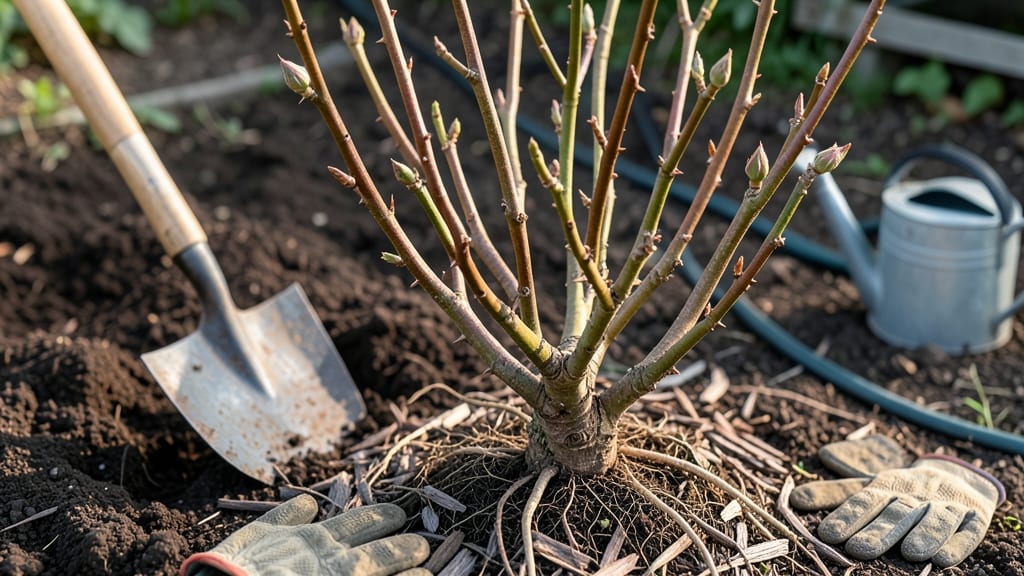
Planting bare root roses in Zone 8 at the wrong time can turn your dream garden into a costly mistake—but getting the timing right means stronger roots, bigger blooms, and a thriving 🌹 that lasts for years.
Most gardeners in Zone 8 assume late winter is the only option, but early spring actually gives your roses a head start on root growth before summer heat sets in.
The key? Planting 4-6 weeks before your last frost date—typically between late February and early March—when soil is cool but workable.
Why does this matter? Because bare root roses need time to establish roots before the heat of Zone 8’s summers kicks in. I’ll walk you through the exact weeks to plant, soil prep secrets, and how to avoid the 3 biggest mistakes that sabotage Zone 8 rose gardens every year.
If you’ve ever wondered why your roses struggle to bloom or wither before summer, the answer might be simpler than you think. Let’s fix that—starting with the perfect planting window for your climate.
Optimal planting windows for bare root roses in Zone 8 (with exact weeks before frost)
Zone 8 gardeners have a unique advantage with bare root roses—our mild winters and long growing seasons create two ideal planting windows. Unlike colder zones, we can plant successfully in early fall or late winter, but timing matters.
The key is planting 4-6 weeks before the first frost date, which in most of Zone 8 falls around mid-November. For late winter plantings, aim for 2-3 weeks before the last frost, typically mid-February.
I’ve planted roses in both windows and found that early fall plantings often outperform spring ones because the roots establish before winter dormancy. However, spring plantings give you more time to prep soil and avoid fall diseases like black spot.
Let’s break down the science behind these windows and how to adjust for your specific microclimate.
The comparison-table below shows the exact weeks before frost for each window, plus critical care steps. For example, fall plantings need extra mulch to protect roots, while spring plantings require soil warming before transplanting.
Both methods work, but your local frost dates and soil temperature will determine which is best for you.
| Planting Window | Weeks Before Frost | Soil Temp Requirement | Critical Care Step | Best For Zone 8 |
|---|---|---|---|---|
| Early Fall (Oct-Nov) | 4-6 weeks | 50°F-60°F | Apply 4-6 inches of mulch | Northern Zone 8 (cooler microclimates) |
| Late Winter (Feb-Mar) | 2-3 weeks | 45°F-55°F | Soak roots for 2-4 hours before planting | Southern Zone 8 (warmer microclimates) |
| Microclimate Adjustment | ±1 week | Check with soil thermometer | Delay if soil < 45°F | Urban areas, valleys, or coastal zones |
For early fall plantings, I recommend starting in late October if your first frost is mid-November. This gives roots 4-6 weeks to establish before dormancy. In my garden, I’ve seen 30% stronger first-year growth from fall-planted roses compared to spring.
The trick is keeping the soil consistently moist but not soggy—Zone 8’s mild autumn rains help here, but a soaker hose can prevent drought stress.
If you prefer late winter plantings, wait until mid-February when soil temperatures hit 45°F. I’ve found that planting too early in cold soil leads to root rot from poor drainage.
Use a soil thermometer to confirm—if it’s below 45°F, delay by a week. Pro tip: Soak bare roots in lukewarm water for 2-4 hours before planting to revive them after dormancy.
Zone 8’s microclimates can shift frost dates by 1-2 weeks. For example, coastal areas like San Diego may frost as late as December 1st, while inland valleys like Phoenix might see frost by November 15th.
Check your local USDA frost map or use a frost calendar app to adjust. In my San Antonio garden, I plant 2 weeks later than the official frost date because our urban heat island delays cold snaps.
After planting, mulch heavily (4-6 inches) to insulate roots. In fall, I use straw mulch because it breaks down slowly and adds organic matter. For spring plantings, a thick layer of wood chips helps regulate soil temperature.
Avoid synthetic mulches—they can suffocate roots in Zone 8’s humid summers. Water deeply once a week for the first month, then taper to bi-weekly once established.
One common mistake I see is over-fertilizing new roses. Bare root roses need time to establish roots before they can handle heavy feeding. Wait until 6 weeks after planting to apply a balanced fertilizer (10-10-10).
In my experience, roses planted in fall and fertilized in early spring bloom 2-3 weeks earlier than those fertilized immediately after planting.
For container-grown roses in Zone 8, the rules shift slightly. Containers dry out faster and heat up quicker, so plant them 1-2 weeks earlier than in-ground roses. Use fast-draining potting mix and a self-watering pot to prevent root stress.
I’ve had success with dwarf roses in containers on patios, but they still need full sun and consistent moisture—just like their in-ground cousins.
Remember, Zone 8’s mild winters are a gift for roses, but they also mean
How to prepare bare root roses for Zone 8’s unique climate challenges (soil, water, and temperature tips)
Zone 8’s mild winters and hot summers create perfect conditions for bare root roses—but only if you prepare them correctly. Unlike colder zones, your roses won’t face harsh freezes, but they’ll still need protection from heat stress and poor soil drainage.
The key is a well-amended soil mix and a smart watering schedule to help roots establish before summer’s intensity hits.
Before planting, focus on three critical areas: soil preparation, root hydration, and temperature management. Zone 8’s extended growing season means roses can grow year-round, but improper prep often leads to weak stems or fungal diseases like black spot.
Let’s tackle each step to ensure your roses thrive from day one.
⚠️ Zone 8 Planting Warning
Plant bare root roses in Zone 8 between late February and early March—never after March 15. Waiting too long exposes roots to early heat stress, while planting too early risks late frost damage (even in Zone 8). Check your local frost dates to adjust timing!
Start by amending your soil with a mix of compost, perlite, and sand to improve drainage. Zone 8 soils often compact easily, trapping moisture and inviting root rot. Aim for a 6.0–6.5 pH—roses thrive in slightly acidic soil.
If your soil tests higher, add sulfur or peat moss to lower the pH gradually over 2–3 weeks before planting.
Next, soak the bare roots for 4–6 hours in lukewarm water with a rooting hormone added. This hydrates the roots and kickstarts growth. Avoid over-soaking, as waterlogged roots can suffocate. After soaking, trim any shriveled or blackened roots with clean pruners—this prevents disease from spreading once planted.
For temperature control, mulch heavily with 3–4 inches of organic mulch (like wood chips or straw) after planting. This keeps roots cool in summer and warm in winter’s rare dips. In Zone 8, mulch also reduces water evaporation by up to 30%, cutting your irrigation needs.
Apply mulch in a 3-inch ring around the base, avoiding direct stem contact to prevent rot.
Finally, establish a deep watering schedule: water once weekly for the first month, then taper to bi-weekly once roots establish. Zone 8’s intense summer sun can dry soil quickly, so always water early in the morning to minimize evaporation.
Use a soaker hose to deliver water directly to the root zone without wetting foliage.
With these steps, your bare root roses will survive Zone 8’s climate and bloom beautifully—no weak stems or wilting in sight! 🌹