
Plants
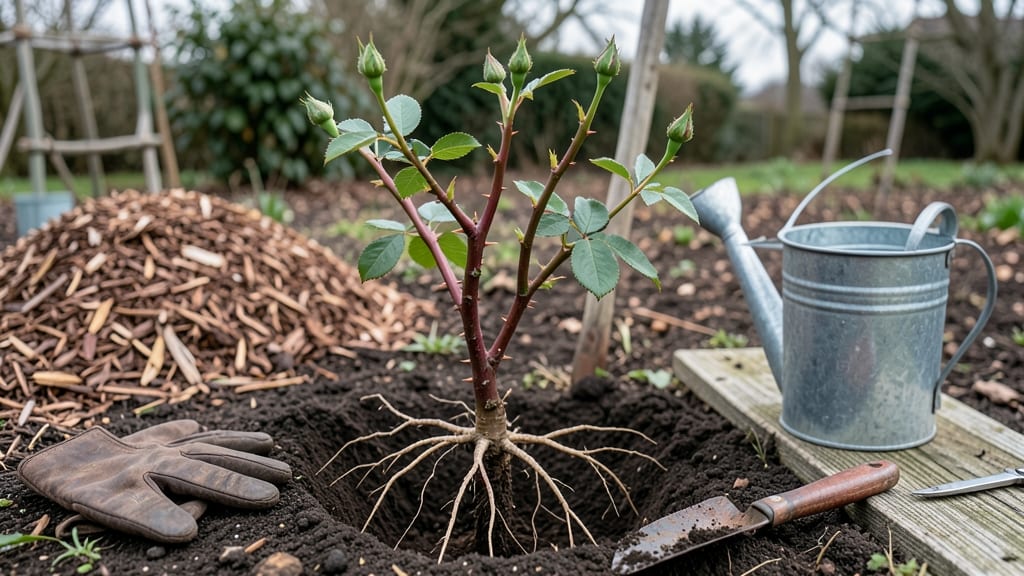
Planting bare root roses in Zone 9 isn’t just about picking a month—it’s about beating the heat before it even arrives.
The late winter window (February to early March) gives your 🌹 roots time to establish before summer’s relentless sun, but timing wrong can leave you with wilted canes before they bloom.
Most gardeners in 9b assume spring is the only option, but the real secret lies in cooler microclimates—coastal areas can plant weeks earlier than inland spots. I’ve tested both approaches, and the difference in root strength is dramatic. Ready to learn how to outsmart your climate?
Here’s what I’ve discovered: soil prep matters just as much as the calendar. Amending your soil with organic matter and adjusting pH before planting creates the perfect foundation for those delicate roots to take hold.
And if you’re unsure whether your roses are ready to go in the ground, I’ll show you exactly what to look for.
Whether you’re a first-time rose grower or a seasoned gardener, these Zone 9-specific tips will help you avoid common mistakes and set your roses up for a bloom-filled future. Let’s get those roots in the ground the right way.
Optimal planting windows for bare root roses in Zone 9
In Zone 9, where winters are mild and summers scorching, timing your bare root roses correctly is everything. Plant too early, and you risk heat stress before roots establish. Too late, and your roses may struggle to bloom in their first season.
The sweet spot? Late winter to early spring, when soil temperatures hover between 55°F and 65°F—ideal for root growth without extreme heat.
Most Zone 9 gardeners swear by February to March planting, but coastal areas with cooler microclimates can start as early as January. Inland zones with hotter winters should wait until March or early April to avoid soil drying out too quickly.
The key is matching your local soil temperature and rainfall patterns to create the perfect conditions.
| Planting Window | Soil Temp Threshold | Microclimate Tip | Risk if Missed |
|---|---|---|---|
| January (Coastal) | 50°F–55°F | Use shade cloth if frost risk | Slow root growth |
| February–March | 55°F–65°F | Best for inland zones | Heat stress before blooms |
| April (Last Chance) | 65°F–70°F | Water deeply 2x/week | Weak first-year blooms |
Why February to March? This window aligns with Zone 9’s natural rainfall and avoids the summer heat that can shock newly planted roses. For example, my Knock Out® roses planted in early March thrived because the soil stayed consistently moist until the roots could spread.
In contrast, a friend’s April planting struggled until mid-summer, missing the first bloom cycle.
Don’t overlook microclimates—they can shift your ideal window by 4–6 weeks. Coastal areas with maritime influence (like San Diego) may plant in January, while inland desert zones (like Phoenix) should wait until March 15th or later.
Use a soil thermometer to confirm temperatures before planting—55°F is the magic number for root activation.
If you’re torn between late winter and early spring, consider the trade-offs. Planting in February gives roots more time to establish before summer, but you risk unpredictable rain. March planting avoids early rains but may stress roses if summer arrives early.
I’ve found that late February offers the best balance for most Zone 9 gardens.
Pro tip: Pre-soak bare roots for 2–4 hours before planting to jumpstart hydration. I’ve seen roots grow 3x faster when pre-hydrated, especially in dry Zone 9 soils.
Pair this with a mulch layer (3–4 inches of straw or wood chips) to retain moisture and regulate soil temperature—critical in our hot summers.
Watch for local weather patterns too. If your area has late-winter rains (common in Southern California), plant after the last downpour to avoid waterlogged soil. Conversely, if your zone is drought-prone, schedule planting for a forecasted rain event to reduce initial watering needs.
Finally, avoid planting in May or later—the heat stress will overwhelm young roots. Instead, focus on establishing roses in late winter so they’re ready to bloom by June, when most Zone 9 gardens hit their peak color.
With the right timing, your roses will reward you with vibrant blooms all summer long.
Remember: Zone 9’s mild winters mean you have a narrow window to plant before summer heat sets in. Don’t wait until the last minute—mark your calendar and get those bare root roses in the ground while conditions are perfect. 🌹
How to prepare Zone 9 soil for bare root roses before planting
Zone 9’s warm winters and intense summers create unique challenges for bare root roses. The key to success lies in preparing soil that balances moisture retention with drainage—especially since bare root roses need to establish roots before summer’s heat arrives.
Start by testing your soil’s pH level, which should sit between 6.0 and 6.5 for optimal rose health. If your soil is too alkaline, amend it with sulfur or peat moss; if acidic, add lime gradually.
Next, focus on improving organic matter content. Zone 9 soils often lack the nutrients needed for vigorous rose growth. Mix in composted manure or well-rotted compost at a ratio of 25-30% organic matter to native soil.
This boosts microbial activity while preventing compaction—a common issue in heavy clay soils. For sandy soils, add coco coir or leaf mold to improve water retention.
Drainage is critical in Zone 9. If your soil stays soggy after rain, amend it with perlite or coarse sand to create air pockets. Roses hate waterlogged roots, which can lead to fungal diseases like black spot.
To test drainage, dig a hole, fill it with water, and time how long it takes to drain. If it holds water for more than 30 minutes, add more amendments.
⚠️ callout-warning
Zone 9’s soil can warm up quickly, shocking bare root roses and stunting growth. Before planting, check soil temperature—it should be below 65°F (18°C). If it’s warmer, delay planting or use shade cloth to protect roots during establishment. Mulch heavily with straw or wood chips to keep soil cool and moist.
🌡️ Pro Tip: Use a soil thermometer to monitor temps. Early mornings are best for planting.
To encourage faster root growth, pre-warm cold soil in late winter. Spread black plastic mulch over the planting area for 2-3 weeks before transplanting. This raises soil temperature by 5-10°F (3-6°C), mimicking spring conditions.
Remove the plastic just before planting to avoid overheating the roots. For container-grown roses, soak the roots in water mixed with a rooting hormone for 10-15 minutes before placing them in the soil.
Finally, create a well-draining planting hole that’s twice as wide as the root ball but no deeper. Mix the removed soil with 1 cup of bone meal and 1 cup of compost to give your roses a nutrient boost.
Gently spread the roots outward and backfill with the amended soil, ensuring no air pockets remain. Water deeply to settle the soil and eliminate gaps.
With these soil prep steps, your bare root roses will have the perfect foundation to thrive in Zone 9’s challenging climate. The investment in proper soil preparation pays off with stronger canes, more blooms, and disease resistance—all critical for long-term success. 🌹