
Plants
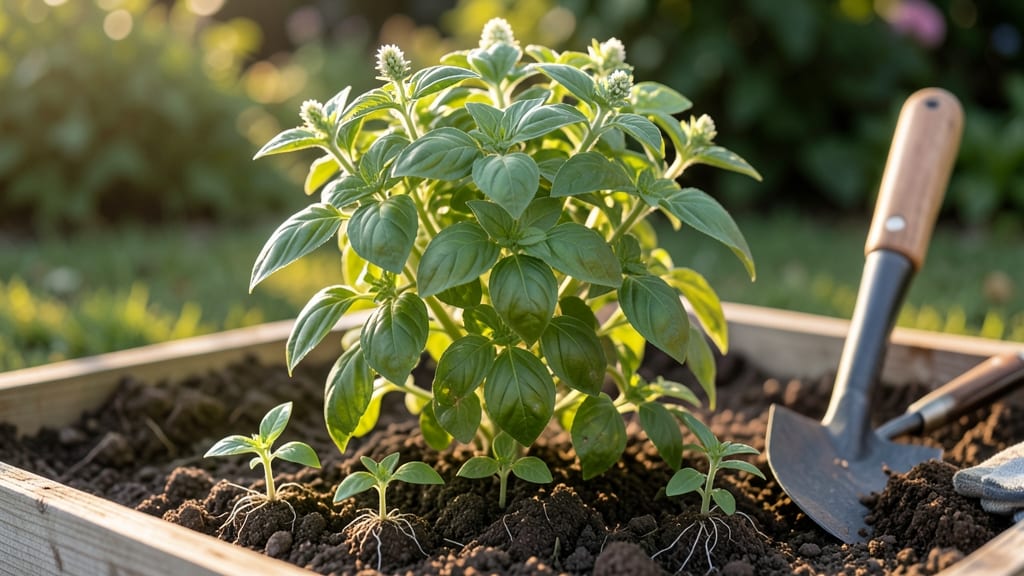
Timing your basil planting in Georgia isn't just about avoiding frost—it's about outsmarting the state's three wildly different climates that can turn your 🌿 basil into a sad, wilted memory if you're not careful.
Whether you're in the humid Coastal Plain, the rolling Piedmont, or the cooler mountain regions, getting the schedule wrong means your plants will either bolt in summer heat or get fried by a late frost.
The key? Starting seeds indoors 4-6 weeks before your last frost date—which varies from mid-March in South Georgia to early April in the North.
I've grown basil in all three zones, and let me tell you: the difference between a thriving harvest and a failed experiment often comes down to when you put those seedlings in the ground.
In this guide, I’ll break down the exact windows for each microclimate, plus tricks to stretch your growing season so you can keep harvesting through October.
Ready to turn your Georgia garden into a basil powerhouse? Let’s dive into the zone-specific timing that’ll keep your plants happy—and your pesto game strong—all season long.
Georgia’s 3 basil planting zones: when to start indoors vs. direct-sow outdoors
Georgia’s three distinct climate zones—coastal, Piedmont, and mountain—create wildly different basil planting windows. In USDA Zone 8a (coastal areas like Savannah), you can direct-sow basil seeds as early as February 15th, while Zone 7a gardeners in the North Georgia mountains must wait until April 1st.
These timing differences prevent frost damage and heat stress, both of which can kill basil before it even produces leaves.
Basil thrives when soil temperatures stay above 50°F and nighttime temps remain above 45°F. Coastal areas warm faster, but mountain regions often experience late spring frosts well into April. The key is matching your planting schedule to your local last frost date—not just your USDA zone.
For example, Atlanta’s Piedmont zone (7b) typically has its last frost around March 20th, while Blue Ridge Mountains (7a) can see frost until April 15th.
Here’s how to adjust your basil planting strategy based on Georgia’s microclimates:
If you’re starting basil indoors, begin seeds 6-8 weeks before your region’s last frost date. For coastal gardeners, that means sowing by January 20th, while mountain gardeners should wait until February 20th.
Use grow lights to prevent leggy seedlings—basil needs 12-16 hours of light daily indoors. Harden off seedlings for 7-10 days before transplanting to avoid shock.
For direct-sowing outdoors, wait until soil temperatures reach at least 50°F and nighttime temps stay above 50°F. In Savannah (Zone 8a), you can direct-sow as early as February 15th, but in Dahlonega (Zone 7a), hold off until April 10th.
Plant seeds 1/4 inch deep and space them 12-18 inches apart—basil needs room to grow without competing for nutrients.
Georgia’s humidity variations also affect basil. Coastal areas like Brunswick experience higher humidity, which can lead to fungal diseases if plants aren’t spaced properly. In contrast, drier Piedmont regions like Athens require more frequent watering to keep soil consistently moist.
Mulch with straw or pine needles to retain moisture and regulate soil temperature, especially in sandy coastal soils that dry out quickly.
One common mistake is planting basil too early in cooler zones. Basil won’t germinate below 50°F, and seedlings will die if exposed to even light frost. Use row covers or a mini greenhouse to extend your planting window by 2-3 weeks in Zone 7a.
For fall harvests, plant basil in late summer (August) to enjoy leaves before first frost in November.
Basil also bolts (flows) quickly in Georgia’s summer heat. To delay bolting, plant shade cloth over seedlings during June and July, reducing sunlight to 50-60%.
Choose heat-tolerant varieties like ‘Genovese’ or ‘Spicy Globe’, which handle Georgia’s 90°F+ temperatures better than standard types. Harvest leaves regularly to encourage bushier growth and prevent flowering.
For container growing, use pots with drainage holes and fill them with well-draining potting mix. Coastal gardeners can grow basil in containers year
How to extend basil’s growing season in Georgia’s unpredictable spring/fall
Georgia’s spring and fall weather can be as unpredictable as a Savannah storm—one day sunny, the next a surprise frost. I’ve learned the hard way that basil planted too early in March or left too late in October often becomes a casualty of these whims.
The good news? With the right techniques, you can stretch your basil harvest from May through October, even in Georgia’s tricky climate.
In my Piedmont garden, I’ve used cold frames, row covers, and succession planting to protect basil from late frosts in March and early chills in October.
These methods aren’t just theory—they’ve given me fresh basil for pesto well into fall, when most gardeners are already packing up their tools. Let’s dive into the proven strategies that work in Georgia’s three distinct regions.
🌱 Georgia-Specific Basil Growing Season Extenders
- 1. Cold Frames: Use in March for early starts. My South Georgia garden stays frost-free until mid-March, so I set up cold frames 2-3 weeks before transplanting outdoors. A simple DIY frame with clear plastic extends warmth by 5-10°F.
- 2. Row Covers: Lightweight fabric protects basil from 32°F frosts. I drape floating row covers over plants in October to shield them from early autumn chills, which can stunt growth or trigger bolting.
- 3. Succession Planting: Sow new seeds every 2-3 weeks from March to May and August to September. This ensures a continuous harvest, even if early or late frosts take out a batch.
- 4. Container Gardening: Move potted basil indoors or to a sunny porch when nighttime temps drop below 50°F. I’ve kept basil thriving in Atlanta’s October by placing pots near south-facing windows.
- 5. Mulching: Apply 2-3 inches of straw mulch around basil plants to insulate roots. In North Georgia’s cooler microclimates, this adds 5°F of protection during early spring or late fall.
- 6. Heat Tolerance Tricks: In summer, provide afternoon shade with shade cloth (30-50%) to prevent bolting. My Coastal Plain basil stays productive longer with this simple tweak.
For Coastal Georgia, where humidity spikes can cause fungal issues, I recommend elevated beds with good drainage. Add a 1-inch layer of perlite to potting mix to prevent root rot—a common problem in Savannah’s wet springs.
In North Georgia’s mountain regions, focus on wind protection with burlap screens, as cold winds can damage tender basil leaves.
One of my favorite fall strategies is harvesting leaves before frost. Even if the plant looks healthy, a 32°F night can ruin flavor.
I snip leaves for pesto or drying when temps drop below 55°F, ensuring I still get to enjoy basil’s aroma long after most gardens have given up.
Remember, basil is a warm-season herb, so it’s all about balance. Too much heat or cold, and it bolts or suffers. But with these techniques, you’ll turn Georgia’s unpredictable seasons into your basil’s best friend.
Start small, experiment, and soon you’ll be harvesting fresh basil year-round—or at least from spring to fall!