
Plants
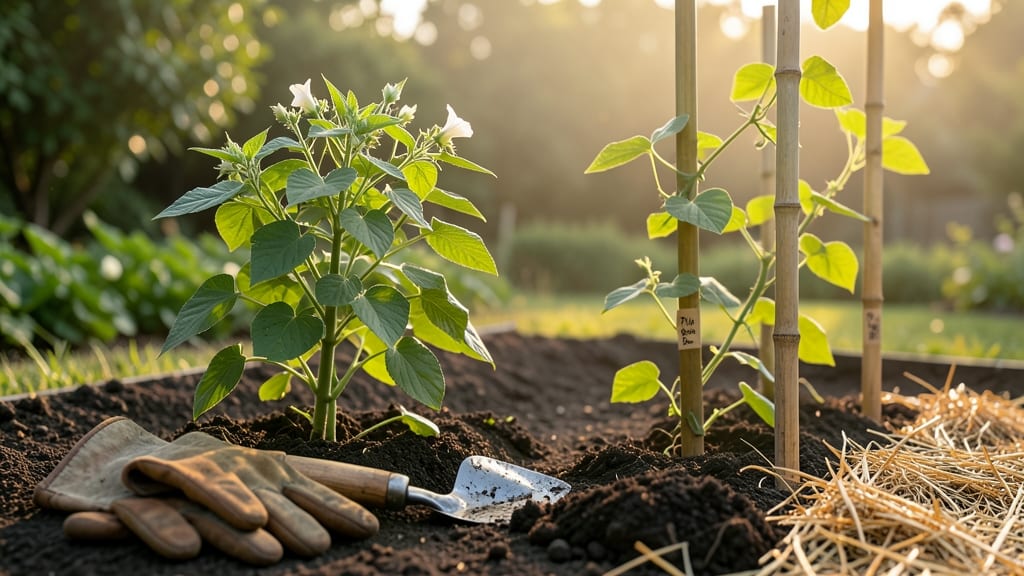
Planting beans in Zone 5 at the wrong time can mean the difference between a bumper crop and a total flop—but there’s a simple trick to get it right every time.
The key isn’t just waiting for the last frost; it’s checking when your soil finally warms up to 60°F, the magic threshold for fast, reliable germination. Miss this window, and your 🌱 seeds might sit in cold soil for weeks, wasting precious growing days.
Most gardeners in Zone 5 assume "after last frost" means go time, but that’s where mistakes happen. Early planting in chilly soil leads to slow starts, stunted plants, and even rot—especially for varieties like pole beans that need warmth to thrive.
The good news? A quick soil test (or even the back-of-your-hand trick) can tell you exactly when to drop those seeds for faster sprouts and bigger yields.
In this guide, I’ll break down the exact planting timeline for Zone 5, including why late summer beans often outperform spring ones.
You’ll learn how to read your soil’s temperature cues, pick the right varieties for your short growing season, and avoid the three biggest planting pitfalls that even experienced gardeners fall for. Let’s get those beans in the ground the right way!
Whether you’re a first-time gardener or a seasoned pro, timing is everything—and with these tips, you’ll be harvesting crisp, flavorful beans in just 60–90 days. No more guessing, no more wasted seeds. Just a foolproof plan to turn your Zone 5 garden into a bean bonanza.
Ideal planting times for beans in Zone 5 based on soil temperature
In Zone 5, beans thrive when planted at the right time—after the last frost date (typically mid-April to early May) but only when soil temperatures hit 60°F. This warmth threshold is critical because cold soil slows germination, leading to weak seedlings or even rot.
I’ve learned the hard way that rushing beans into chilly soil results in patchy growth and poor yields. The key? Wait for that 60°F mark—it’s your green light to plant!
Beans in Zone 5 can be planted in two main windows: spring (after frost) and late summer (August). Spring plantings give you a harvest in July–August, while late summer beans mature by October before the first frost.
Both strategies work, but soil temperature dictates success. For example, my bush beans planted in early May (when soil was still 55°F) struggled, while the same variety planted in late May (soil 62°F) thrived.
Here’s the summary table breaking down the ideal planting windows, soil temperature requirements, and regional variations for Zone 5:
| Planting Window | Soil Temp Threshold | Bean Type | Harvest Window | Regional Note |
|---|---|---|---|---|
| Spring (After Last Frost) | 60°F+ (consistently) | Bush Beans | July–August | Northern Zone 5 (e.g., Minnesota): Wait until late May. |
| Spring (After Last Frost) | 60°F+ (consistently) | Pole Beans | July–September | Southern Zone 5 (e.g., Ohio): Can plant as early as early May. |
| Late Summer (August) | 60°F+ (consistently) | Bush or Pole Beans | October (before frost) | All Zone 5: Best for second crops; avoid planting after August 15. |
| Early Spring (Cold Soil) | 50–55°F (risky) | Cold-Tolerant Varieties (e.g., Provider) | June–July (delayed) | Only for experienced growers; use row covers. |
For bush beans, which mature faster (50–60 days), aim to plant in late May to early June in most of Zone 5. These compact plants are perfect for containers or small gardens.
In contrast, pole beans take 60–90 days to harvest, so I plant them slightly earlier (early to mid-May) to maximize their climbing season. Their longer vines need time to establish before cooler fall temperatures arrive.
Regional differences matter in Zone 5. In northern areas (e.g., Duluth, MN), the last frost can linger until mid-May, so I wait until late May to plant, even if the air feels warm.
Meanwhile, in southern Zone 5 (e.g., Cincinnati, OH), the soil warms faster, and I can plant bush beans by early May. Always check your local Almanac frost dates and adjust by 1–2 weeks based on microclimates.
One trick I swear by is the elbow test for soil warmth. Stick your arm in the soil (up to your elbow) for 10 seconds—if it feels warm (not hot), it’s likely 60°F+.
I’ve used this method for years, especially when my soil thermometer is unavailable. Combine this with watching nearby flowers: when dandelions bloom, your soil is usually ready for beans.
If you’re eager to start earlier, consider cold-tolerant varieties like Provider or Kentucky Wonder. These can handle 50–55°F soil but still benefit from row covers to speed up warming. However, I’ve found that even these varieties germinate better when soil hits 60°F, so patience pays off.
Planting too early often leads to damping off, a fungal disease that kills seedlings before they sprout.
For late summer plantings, focus on August—any later and your beans won’t mature before the first frost (mid-October). I’ve had success with Black Valentine pole beans planted in early August, which produced pods until early October.
The key is to choose fast-maturing varieties (under 60 days) and ensure your soil stays warm by using black plastic mulch.
Pro tip: If your soil is slow to warm, try raising beds or planting in south-facing spots where sunlight hits the soil directly. I’ve seen a 10°F difference between shaded and sunny soil in the same garden!
Also, avoid working the soil before planting—disturbed soil cools faster. Instead, add compost in the fall to improve warmth retention naturally.
Finally, don’t forget that beans are warm-season crops, meaning they
How to test soil warmth for beans (step-by-step guide)
Beans in Zone 5 need warm soil to germinate properly—cold soil can delay sprouting by weeks or even prevent germination entirely. The key is testing soil temperature before planting, as air temperature doesn’t always reflect what’s happening underground.
A soil thermometer is your best tool, but I’ll also share a foolproof DIY elbow test for gardeners without one.
Why does soil warmth matter? Beans thrive when soil reaches 60°F (15°C)—this triggers enzymes that help seeds break down and sprout. Planting too early in Zone 5’s cool springs often leads to slow, uneven germination or seedlings that fail to emerge.
Let’s fix that with a simple test you can do in minutes.
- Gather your tools: A soil thermometer (or a clean spoon if DIY-ing) and a notebook to record temps.
- Test in the morning: Soil is coolest then—insert the thermometer 2 inches deep (where beans are planted) and wait 30 seconds for an accurate reading.
- Check the temperature: Aim for 60°F+ (15°C+). Below 50°F (10°C)? Wait 1–2 weeks or use black plastic mulch to warm the soil faster.
- DIY elbow test: Press your elbow into the soil (no gloves!). If it feels too cold to hold comfortably, the soil is likely below 60°F—wait longer.
- Test for 3 days: Soil temps fluctuate—take readings over morning, noon, and evening to confirm consistency at 60°F+.
- Adjust planting dates: If soil isn’t warm enough by your last frost date, plant late varieties or use row covers to extend the season.
If your soil tests below 60°F, don’t panic—this is common in Zone 5’s early spring. Use black plastic mulch or straw bales to warm the soil faster. For late summer plantings (August), soil warmth is rarely an issue, but always test to confirm.
Remember, pole beans and bush beans both need warm soil, but pole varieties benefit from a longer growing season.
Once your soil hits 60°F, plant your beans 1 inch deep and 3–4 inches apart. Water gently to settle the soil, and keep it moist (not soggy) until germination.
With the right soil warmth, you’ll see sprouts in 7–10 days—a sure sign your beans are off to a great start!
For Zone 5 gardeners, timing is everything. By testing soil warmth, you’ll avoid the heartbreak of slow or failed germination and enjoy a bountiful harvest of snap beans, shelling beans, or pole beans all season long. Happy planting!