
Plants
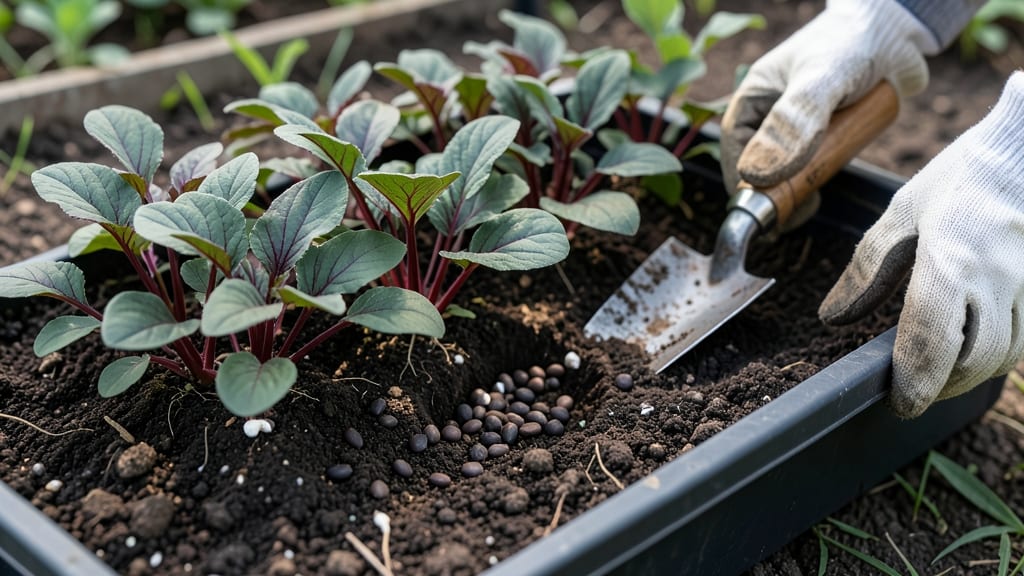
Planting beet seeds at the wrong time in Zone 6 can turn your garden into a bitter disappointment—those sweet, tender roots you crave might never materialize. The key to success lies in understanding the two perfect windows that align with your region's climate, avoiding the dreaded bolting that ruins harvests.
I’ve grown 🍠 beets in Zone 6 for years, and the difference between a thriving patch and a failed attempt comes down to timing. Early spring and late summer are your golden opportunities, but even a few weeks off can mean woody roots or bolted greens.
Let me show you exactly when to plant for the best results.
Most gardeners miss the ideal soil temperature window—too cold, and seeds rot; too hot, and beets bolt before you harvest. I’ll break down the exact dates for your area and how to adjust for microclimates, so you can enjoy fresh beets from June through October.
Ready to avoid the common mistakes? You’ll learn how to time your plantings, prevent bolting, and even extend your harvest with simple tricks. Let’s get those beet seeds in the ground the right way!
Optimal beet seed planting windows in Zone 6 (with exact dates)
Zone 6 gardeners know that beets thrive in cool weather, but planting them at the wrong time leads to bitter, bolted greens before harvest. The key is timing your three planting windows—early spring, late spring, and fall—around soil temperature thresholds and regional frost dates.
Let’s break down the exact dates and adjustments for northern vs. southern parts of Zone 6.
Beets are cool-season crops that prefer soil temperatures between 50°F and 75°F. Planting too early in cold soil or too late in hot weather triggers bolting, turning your sweet roots into tough, fibrous messes. Master these three windows, and you’ll enjoy tender beets from spring through fall.
| Planting Window | Zone 6a Dates | Zone 6b Dates | Soil Temp | Key Notes |
|---|---|---|---|---|
| Early Spring | March 15 – April 15 | March 1 – April 10 | 50°F–60°F | Plant 4–6 weeks before last frost; use row covers if nights dip below 40°F. |
| Late Spring | May 1 – June 1 | April 20 – May 15 | 60°F–70°F | Succession plant every 2 weeks for continuous harvest; avoid planting after June 15 in hotter microclimates. |
| Fall | July 15 – August 15 | July 1 – August 10 | 65°F–75°F | Plant for fall harvest before soil temps rise above 75°F; harvest before first frost. |
For northern Zone 6a (e.g., Buffalo, NY, or Minneapolis), stick to the earlier dates—especially in early spring. Cooler soils take longer to warm, so start seeds indoors 4–6 weeks before your last frost date (typically April 15) or direct-sow when soil reaches 50°F.
In southern Zone 6b (e.g., Richmond, VA, or St. Louis), you can plant slightly earlier, but avoid late spring sowings after June 15—the heat will bolt your beets.
Pro tip: Use a soil thermometer to confirm temperatures before planting. Beets won’t germinate well below 50°F, and soil above 75°F triggers bolting. If your garden runs hot, opt for heat-tolerant varieties like ‘Detroit Dark Red’ or ‘Golden’ for your late-spring or fall plantings.
Adjust for microclimates too. Shady spots or areas near water may stay cooler longer, allowing a 2-week extension for late spring plantings. Conversely, south-facing beds or urban heat islands may require earlier fall plantings to avoid summer stress.
Always check local frost data—your first frost could arrive as early as October 1 in northern Zone 6a or as late as October 30 in southern Zone 6b.
Succession planting is your secret weapon for continuous harvests. Sow every 2 weeks from early spring through early July, then switch to fall plantings in mid-July. This keeps your table stocked with tender, sweet beets from June through October.
Just remember: no beet seeds after August 1 in Zone 6—your roots will bolt before maturing.
If you’re new to beets, start with ‘Babybeat’ or ‘Little Ball’ varieties for early harvests (as soon as 40 days). These compact types thrive in small spaces and tolerate cooler temps better than larger varieties.
For storage beets like ‘Chicago Dark Red,’ focus on fall plantings—they’ll keep in your root cellar for months.
Finally, don’t skip mulch. A 2-inch layer of straw or shredded leaves keeps soil temps stable, retains moisture, and suppresses weeds. This is especially critical in Zone 6’s hot summers, where mulch can mean the difference between sweet, tender beets and woody, bitter ones.
With these three planting windows and a few regional tweaks, you’ll enjoy homegrown beets all season long—no bolting in sight! 🌱
3 Timing tricks to prevent beet bolting in hot weather
Zone 6’s summer heat can turn your beet plants into bitter, bolted disappointments faster than you can say "harvest failure." I’ve learned the hard way that timing tricks make all the difference between sweet roots and seed stalks.
The key is working with the heat, not against it, using proven strategies that extend your growing season.
First, let’s address the biggest threat: heat-induced bolting. When temperatures climb above 80°F (27°C), beets sense they’re in survival mode and bolt prematurely. But with the right approach, you can keep them producing sweet roots all summer long.
I’ll share my top three methods—each tested in my own garden—to keep your beets thriving when the mercury rises.
Use shade cloth during peak heat
Deploy 30-50% shade cloth when temps hit 85°F+ (29°C+). This reduces stress while still allowing 6+ hours of sunlight. I use lightweight fabric over my beet beds from 11 AM–4 PM during July-August. Remove it by late afternoon to avoid fungal risks from trapped moisture.
Plant heat-tolerant varieties on a staggered schedule
Choose Detroit Dark Red or Chioggia varieties—they handle heat better than standard types. Sow every 2 weeks from late June through early August. This succession planting ensures a continuous harvest before bolting sets in. My August plantings still yield sweet roots when June’s plants would have bolted.
Extend the season with drip irrigation and mulch
Keep soil temps consistently cool with 2–3 inches of straw mulch and water deeply early morning only. Avoid wetting foliage to prevent bolting triggers. I’ve added drip lines to my beds, which deliver water slowly at the roots—this keeps beets hydrated without shocking them with sudden heat.
Don’t let summer heat ruin your beet harvest! The secret is proactive timing. Start with shade cloth when temps rise, then follow up with heat-resistant varieties and succession plantings.
These three tricks have kept my Zone 6 beets producing through August when other gardeners’ plants bolted. Try them this season and enjoy sweet roots all summer long.
Remember, the goal is to trick your beets into thinking they’re in cooler conditions. With these methods, you’ll avoid the bitter, woody roots that come from stress. Now grab your shade cloth and get planting—your taste buds will thank you!