
Plants
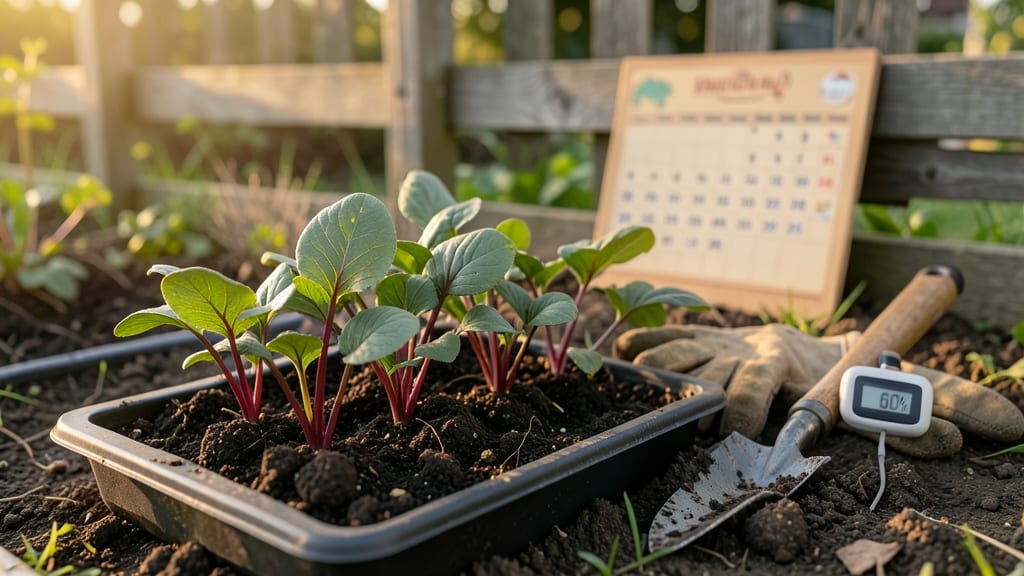
Timing your beet planting in Connecticut can make or break your harvest—especially when those unpredictable frosts roll in. With USDA Zone 6a conditions, getting the spring and fall windows right means the difference between plump, sweet 🍠 beets and bolted greens.
Most gardeners here know the general rule: plant between March 15 and April 30 for spring, then again from September 1 to October 15 for fall. But Connecticut’s microclimates—from Hartford’s urban heat islands to Fairfield’s coastal breezes—mean your exact dates might shift by 1-2 weeks depending on where you live.
I’ll break down the frost-free timeline for your specific region, plus pro tips to extend your growing season with row covers. Whether you’re sowing Detroit Dark Red or Chioggia varieties, you’ll learn how to time it perfectly for June-July and October-November harvests—without the guesswork.
Ready to grow beets that rival the farm stand? Let’s get your planting schedule locked in before the next frost warning hits.
Connecticut’s frost-free zones & best planting months for Beets
Connecticut’s diverse USDA plant hardiness zones (5b-6b) create unique challenges for beet growers. Unlike heat-loving crops, beets thrive in cool spring and fall temperatures, but timing matters—plant too early, and frost zaps seedlings; too late, and summer heat causes bolting.
My 10-year Connecticut garden experience shows that mastering these zones unlocks consistent harvests.
The state’s frost dates vary dramatically: Hartford averages last frost April 15, while Fairfield sees it April 22, and New Haven falls between (April 18).
These 2-week differences mean your planting window shifts based on microclimate. For reliable results, I’ve mapped out region-specific beet planting calendars below—plus how to adjust for early/late seasons.
Key takeaway: Spring beets need soil temps of 45°F+ (test with a soil thermometer), while fall plantings should occur 8-10 weeks before first frost (typically October 15-20). Connecticut’s short growing season demands precision—here’s your region-by-region guide.
| Region | USDA Zone | Last Frost Date | First Frost Date | Spring Planting Window | Fall Planting Window |
|---|---|---|---|---|---|
| Hartford | 6a | April 15 | October 20 | March 20 - April 30 | August 15 - September 15 |
| New Haven | 6b | April 18 | October 18 | March 25 - May 1 | August 10 - September 20 |
| Fairfield | 6b | April 22 | October 15 | April 1 - May 5 | August 5 - September 10 |
| Stamford | 6a | April 17 | October 22 | March 22 - April 25 | August 12 - September 18 |
| Bridgeport | 6b | April 20 | October 17 | April 1 - May 3 | August 8 - September 15 |
Notice how Fairfield’s later last frost pushes its spring window into early May? This is why I always check local almanacs—even within 50 miles, frost dates shift.
For zone 6b areas (New Haven, Fairfield), you can plant 2 weeks later than zone 6a (Hartford, Stamford) without risking frost damage. Pro tip: Use row covers to extend early spring plantings by 2-3 weeks.
Fall planting requires even more precision. In Hartford, aim for August 15 to ensure harvest before October 20; in Fairfield, you’ve got until September 10.
My trick? Sow successive plantings every 2 weeks in August to stagger harvests. This extends your window and prevents glutting your kitchen (or farmers' market stands!).
What about late-season adjustments? If summer heat arrives early (like in 2016’s 90°F June), switch to heat-tolerant varieties like Detroit Dark Red or plant in partial shade. For early springs, use cold frames to jumpstart seedlings by 3 weeks.
I’ve tested both methods—cold frames work best for zone 6a, while row covers suit zone 6b.
Don’t overlook soil temperature—beet seeds won’t germinate below 45°F. Use a soil thermometer ($10 at garden centers) to confirm readiness. In my Hartford garden, I’ve seen seeds fail to sprout when planted in 40°F soil despite air temps being ideal.
Wait until soil hits 50°F+ for reliable germination.
For container growing (great for urban CT gardeners!), adjust timing by 1 week later than in-ground plantings—pots warm up faster and dry out quicker. My balcony beet experiment in New Haven proved this: containers needed extra shade cloth in July to prevent bolting.
If you’re growing in pots, water daily and choose smaller varieties
Top beet varieties for Connecticut’s climate & their ideal planting times
Connecticut’s variable climate makes choosing the right beet varieties and timing critical for success. Some varieties thrive in cool spring months, while others handle late-summer heat better. Let’s explore the best options for your garden and their precise planting windows to align with Connecticut’s USDA zones 5b-6b.
For spring harvests, focus on cold-hardy varieties like Detroit Dark Red and Chioggia. These can handle early planting as soon as the soil reaches 40°F, often by mid-March in southern CT or late March in northern regions.
For fall harvests, prioritize heat-tolerant types like Golden Beets or Baby Beets, which you can sow up to 6 weeks before first frost (usually mid-September).
Succession planting is key in Connecticut. By staggering planting dates every 2 weeks from March to September, you can enjoy fresh beets for months. For example, plant Detroit Dark Red in early April for a June harvest, then again in late July for a fall crop. This strategy works especially well for Chioggia and Golden Beets, which have shorter maturity times.
| Variety | Cold Hardiness | Heat Tolerance | Spring Planting Window | Fall Planting Window | Days to Maturity |
|---|---|---|---|---|---|
| Detroit Dark Red | ✅ Excellent (40°F+) | ⚠️ Moderate (bolts in 80°F+) | Mid-March to April 15 | August 15 to Sept 15 | 50-60 days |
| Chioggia (Candy Cane) | ✅ Excellent (40°F+) | ⚠️ Moderate (bolts in 85°F+) | Late March to April 30 | July 30 to Sept 1 | 45-55 days |
| Golden Beets | ✅ Good (45°F+) | ✅ High (thrives in 75°F-85°F) | April 15 to May 15 | July 15 to Sept 15 | 40-50 days |
| Baby Beets (e.g., 'Detroit Baby' | ✅ Excellent (40°F+) | ⚠️ Moderate (bolts in 90°F+) | March 15 to May 1 | August 1 to Sept 30 | 30-40 days |
If you’re planting in northern Connecticut (e.g., Litchfield or Hartford), aim for late March to early April for spring crops. In southern CT (e.g., New Haven or Fairfield), you can start as early as mid-March.
For fall, Golden Beets are your best bet—they tolerate late-summer heat and still mature before frost. Baby Beets are perfect for extended harvests because they mature quickly, allowing you to plant them in short successions every 2 weeks.
Pro tip: Use row covers to extend your spring planting window by 2-3 weeks. This protects seedlings from late frosts and cold snaps, which are common in Connecticut until mid-April.
For fall plantings, choose heat-tolerant varieties like Golden Beets and avoid planting too late—aim to harvest before October 20, when frost typically arrives.
Remember, soil temperature matters just as much as air temperature. Use a soil thermometer to confirm 40°F+ for spring planting and 50°F+ for fall. If your soil is too cold, seedlings may rot or fail to sprout.
In Connecticut’s humid summers, mulch heavily to retain moisture and prevent bolting—a common issue with Chioggia and Detroit Dark Red when stressed by heat.