
Plants
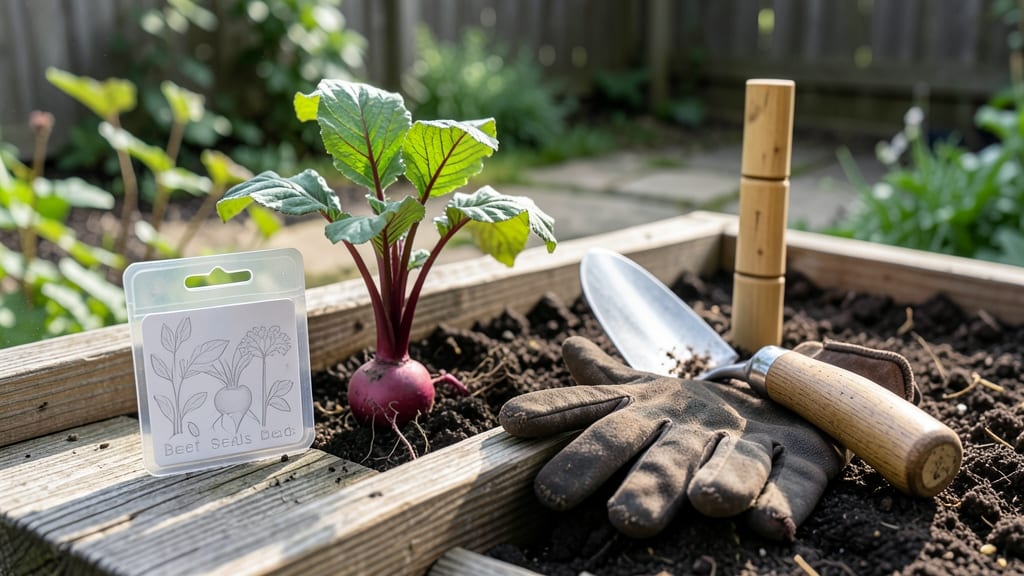
Planting beets too early in Illinois means frost-nipped greens, while waiting too long risks bolting before you even taste that sweet, earthy flavor.
The perfect frost-free window—between March 15 and April 15 for spring and August 15 to September 15 for fall—is your ticket to bumper crops of 🍠 beets.
Why does timing matter so much? Beets thrive in cool soil but wilt under summer’s heat, making Illinois’s 5b-6b zones tricky to navigate. Whether you’re in Chicago’s chilly north or St. Louis’s warmer south, getting the soil temp right (around 50°F) ensures fast germination and avoids bitter roots.
In this guide, I’ll break down the exact month-by-month planting schedule for your region, plus how to stretch your harvest with succession planting. No more guessing—just reliable, homegrown beets from June through November.
Ready to grow beets that outperform store-bought? Let’s dive into the frost dates, soil prep, and planting tricks that’ll turn your Illinois garden into a beet bonanza.
Best planting months for beets in Illinois: frost dates by region
Illinois’s diverse climate zones mean your last frost date could vary by 2-3 weeks from Chicago to St. Louis. For Northern Illinois (Chicago area, USDA Zone 5b), aim to plant 4-6 weeks before your average last frost—typically mid-March to early April.
In Central Illinois (Springfield, Zone 6a), you’ve got a slightly longer window: late March to mid-April. Meanwhile, Southern Illinois (St. Louis, Zone 6b) gardeners can start as early as late February for early varieties.
Why the difference? Warmer southern regions experience earlier soil warming, while northern areas risk late spring frosts. Beets need soil temperatures of 50-60°F to germinate—use a soil thermometer to check before planting. If your soil is still cold, wait or use black plastic mulch to warm it faster.
Here’s your region-specific planting timeline, including fall planting windows for a second harvest before frost. These dates align with Illinois State Climatologist data and local gardener feedback.
🌱
For Northern Illinois, March 15 is your earliest safe planting date—but cover seeds with row fabric if nights dip below 40°F. In Central Illinois, you can push it to late February for fast-maturing varieties like ‘Detroit Dark Red’ (ready in 50 days).
Southern gardeners enjoy the longest growing season, with July 30 being the last chance for a fall harvest before frost.
Pro tip: Use succession planting every 2 weeks in spring and fall to stagger harvests. For example, plant 1/2 your seeds by March 15, another 1/2 by April 1, and a final batch in late July for fall.
This ensures you’re harvesting beets from June through October.
If you’re in Zone 5b (Chicago) and experience a late frost, opt for cold-hardy varieties like ‘Ruby Queen’ or ‘Golden’. These tolerate light frosts and recover faster. For Zone 6b (St. Louis), heat-tolerant types like ‘Burpee’s Golden’ perform best in late summer plantings.
Always test your soil pH (beets prefer 6.0-7.0amend with compost before planting. Clay-heavy soils common in Illinois benefit from sand or peat moss to improve drainage. Well-prepped soil = faster germination and sweeter roots.
🌿
How to extend your beet harvest: successive planting strategies for Illinois
Staggering your beet plantings is the secret to a never-ending harvest from April through October. By planting in 3-4 succession batches, you’ll avoid the bolting risk of summer heat while ensuring fresh beets when your garden needs them most.
The key? Spaced-out sowings every 2-3 weeks during both spring and fall seasons.
For spring plantings, start with half your seeds by March 15 (when soil reaches 50°F) and repeat every 10-14 days until April 15. This creates a rolling harvest from June to July.
In fall, plant your first batch by August 15 (for October harvests) and follow with 2 more sowings two weeks apart.
🌱
- 1. Spring Batch 1: March 15 (Chicago), Late Feb (St. Louis) – Plant 'Early Wonder' (50-day variety) for earliest harvests.
- 2. Spring Batch 2: April 1 – Choose 'Detroit Dark Red' (60-day) for mid-summer harvests when early batches mature.
- 3. Fall Batch 1: August 15 – Sow 'Ruby Queen' (cold-hardy) for October harvests before first frost.
- 4. Spacing Hack: Plant seeds 1/2 inch deep, 1 inch apart, then thin to 3 inches when seedlings hit 2 inches tall. This maximizes root space and prevents competition.
- 5. Soil Prep: Mix 2 inches of compost into clay-heavy Illinois soil to improve drainage. Beets hate soggy roots!
Don’t forget to rotate your planting locations each season to prevent soil-borne diseases. Beets are heavy feeders, so side-dress with compost when seedlings emerge and again at 6 weeks.
For urban gardeners with limited space, try container growing—plant 3-4 seeds per 12-inch pot and thin to the strongest.
Pro tip: Harvest young beets (1-2 inches wide) for tender greens and let others mature. This dual-purpose approach gives you two harvests per plant! Store freshly dug beets in moist sand in a cool basement for up to 2 months.
With this succession strategy, you’ll enjoy fresh beets every 2 weeks—no more grocery store trips! Just remember: cool soil = sweet roots, so always plant when temps are 50-60°F.
🌿