
Plants
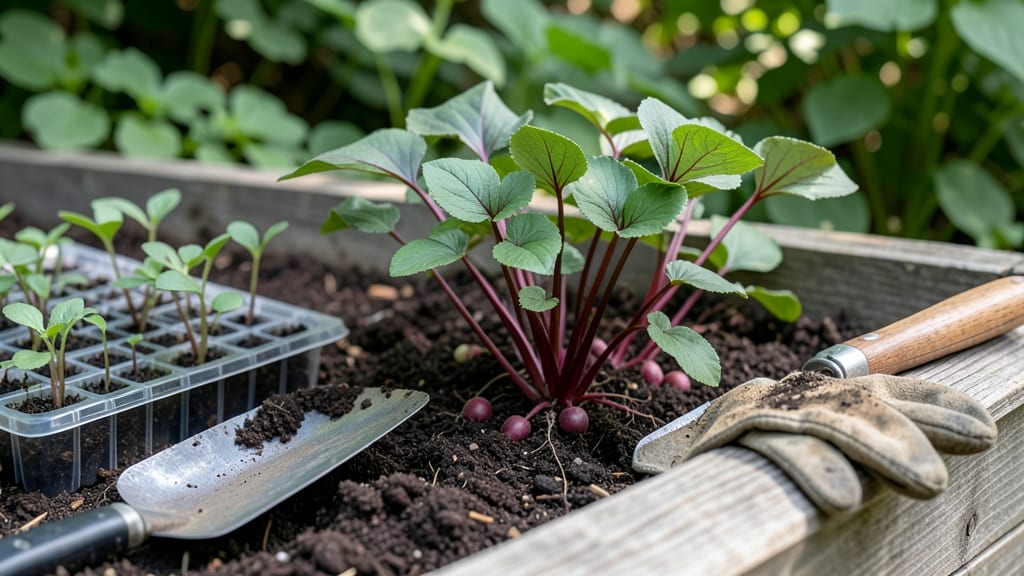
Planting beets in South Carolina at the wrong time can mean the difference between sweet, tender roots and bitter, tough ones that bolt before you even harvest them.
If you’ve ever pulled up a beet only to find it woody or stringy, you’re not alone—timing is everything in the Palmetto State’s 7b-9a zones. The key isn’t just following a generic calendar; it’s understanding how your specific microclimate (coastal, piedmont, or upstate) affects frost dates and soil warmth.
I’ve grown 🍠 beets here for years, and the perfect window for your garden depends on whether you’re aiming for a spring harvest (February-March) or a fall one (August-September). Too early, and frost will nip your seedlings; too late, and summer heat turns them into tough, inedible sticks.
In this guide, I’ll break down the exact dates for your zone, plus how to stretch your season with succession planting and heat-tolerant varieties—so you can enjoy homegrown beets from April through November.
South Carolina’s best beet planting dates by USDA Zone (with frost-free guides)
South Carolina’s climate varies dramatically from the coastal plains to the mountain regions, making precise planting dates critical for beet success. In Zone 7b (e.g., Columbia, Charleston), the last frost typically occurs around March 15, while Zone 8a (e.g., Greenville, Asheville) enjoys a 30-day longer growing season.
Beets thrive in soil temperatures between 50-70°F, so timing is everything to avoid frost damage or heat stress.
For a spring harvest, start seeds indoors 4-6 weeks before your last frost date or direct-sow outdoors in early February (coastal) to mid-March (mountains). Fall plantings should begin 8-10 weeks before the first frost—late July to early August—to ensure mature roots before winter sets in.
Coastal areas can push fall plantings slightly later due to milder temperatures.
🌱
Mountain gardeners in Zone 8a (e.g., Asheville) face shorter seasons but can still grow two crops annually. Start seeds indoors in late February for spring and direct-sow in late July for fall.
The piedmont region (e.g., Columbia) offers the most flexibility, with two full harvest windows if you stagger plantings every 2-3 weeks.
Coastal areas like Charleston benefit from milder winters, allowing for extended fall harvests. Plant successionally every 10-14 days from July through September to enjoy fresh beets until November. Avoid planting too close to frost—roots left in cold soil develop woodiness and poor flavor.
For year-round growing, consider row covers or cold frames in Zone 8a to protect early spring or late fall plantings. Beets are frost-tolerant, but hard freezes below 20°F will damage leaves and roots. Mulch heavily with straw or leaves to insulate soil and maintain even temperatures.
💧 Soil prep is just as critical as timing. Beets prefer loamy, well-draining soil with a pH of 6.0-7.0. Work in 2-3 inches of compost before planting, and keep soil consistently moist—drought stress leads to bolting (premature flowering).
In South Carolina’s clay-heavy soils, amend with sand or peat moss to improve drainage.
🌿 Two-crop strategy: Plant half your seeds in early spring (February-March) for a May-June harvest, then replant late summer (August) for a fall feast.
Choose fast-maturing varieties like ‘Babybeat’ (50 days) for spring and ‘Detroit Dark Red’ (60 days) for fall. Succession planting every 2 weeks ensures a continuous supply.
🌡️ Heat tolerance varies by variety. Avoid planting during peak
How to extend your beet season: succession planting and heat-tolerant varieties
South Carolina’s summer heat can turn sweet beets into tough, woody messes—but with the right strategies, you can enjoy fresh harvests well beyond the spring rush. The key lies in succession planting and selecting heat-tolerant varieties that thrive in the Lowcountry’s humidity.
Even in USDA Zones 7b-9a, where summers stretch into the 90s, you can stretch your beet season by up to 4 months with these proven techniques.
First, focus on staggered sowings every 2-3 weeks starting in late July through early September. This ensures a steady supply of tender roots before the first frost hits in mid-November.
Pair this with shade cloth (30-50% coverage) to protect seedlings during peak afternoon heat—especially in Zone 9a, where temperatures can exceed 100°F. Even a simple white shade cloth reduces soil temps by 10-15°F, preventing bolting.
- 📅 Late July: Sow first batch of heat-tolerant varieties (e.g., ‘Detroit Dark Red’) with shade cloth over rows. Use drip irrigation to keep soil moist without wetting foliage.
- 🌡️ August: Thin seedlings to 3-4 inches apart and remove shade cloth once roots reach 1 inch diameter. Mulch with straw to retain moisture and block weeds.
- 🌱 Early September: Plant a second succession 4-6 weeks before first frost (aim for early October harvests). Choose bolting-resistant varieties like ‘Golden Chicago’ for cooler fall temps.
- 💧 Ongoing: Water deeply in the morning (1 inch per week) and avoid overhead sprinklers to prevent leaf spot diseases common in SC’s humidity.
Not all beets handle summer heat equally.
For South Carolina gardens, I’ve ranked the top 3 heat-tolerant varieties based on trials in Zone 8a (Charleston area) and Zone 7b (Greenville). ‘Detroit Dark Red’ tops the list—its deep roots mature quickly (50-60 days) and resist woody texture even in 90°F+ temps.
Next is ‘Chioggia’, with its stunning pink-and-white striped roots that stay tender when planted under light shade cloth. Rounding out the trio is ‘Burpee’s Golden’, a drought-resistant variety that thrives in sandy soils common along the coast.
To further protect your crop, harden off seedlings gradually if starting indoors. Move trays to a shady spot outdoors for 3-5 days before transplanting, especially in coastal areas where humidity spikes. And watch for flea beetles—tiny pests that chew shotgun holes in leaves.
Use row covers or neem oil sprays for organic control. With these methods, you can enjoy harvests from June through November, beating the heat like a pro.
Pro tip: Save seeds from your healthiest heat-tolerant beets for next year! The second generation often adapts even better to your local microclimate. Just let a few beets bolt, dry the seed heads, and store them in a cool, dark place until spring.
This DIY approach ensures you’re always growing the best-performing varieties for your specific patch of South Carolina.