
Plants
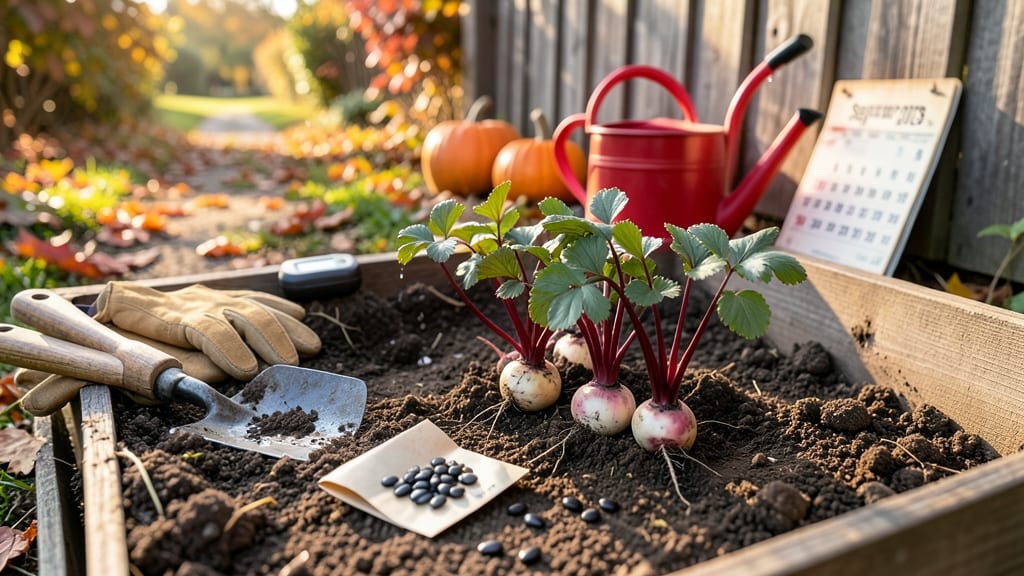
Planting beets in the fall means sweeter roots and fewer pests—but if you miss the 6–8 week window before frost, you’ll end up with bitter greens or frozen soil. That perfect timing isn’t just about dates; it’s about understanding how your local climate and beet varieties work together.
In USDA Zone 6a, where I garden, the magic happens between late August and early September. Too early, and your 🍠 beets bolt; too late, and frost locks them in the ground.
The key is knowing your first frost date and counting backward—because beets need 60–70 days to mature, not just survive.
Once you’ve nailed the timing, the real trick is extending that harvest into winter. Row covers and cold frames can push your season weeks longer, but only if you prep the soil right—loose, well-drained, and rich in phosphorus. I’ll show you exactly how to set it up for maximum yield.
Whether you’re a first-time gardener or a seasoned pro, these fall planting tips will help you avoid the 3 most common mistakes that ruin harvests. Let’s get those beets growing the right way.
Optimal fall planting timeline: 6-8 weeks before first frost explained
Timing your beet seeds for fall harvest hinges on two key factors: soil temperature and day-length sensitivity. Beets thrive when soil stays above 50°F (10°C) but won’t tolerate freezing.
Plant too early, and they’ll bolt; too late, and frost will damage tender roots. The 6-8 week window before your first frost is your sweet spot for sweet, tender beets.
For most of the U.S. (USDA zones 3-10), this translates to sowing between late July and mid-September. However, regional adjustments are critical. In Zone 3, start by July 15 to avoid early frost, while Zone 10 gardeners can extend planting until October 1.
Use the USDA Plant Hardiness Zone Map and your local frost date tool to pinpoint your exact window.
Soil temperature is your best guide. Use a soil thermometer to confirm readings between 50-70°F (10-21°C). If temps drop below 50°F, roots may develop a woody texture. Day-length sensitivity also plays a role—beets grown in shorter fall days produce sweeter roots due to slower growth.
This natural sweetening peaks 4-6 weeks before frost, making timing even more critical.
Here’s how to calculate your personalized planting window:
- Find your average first frost date (check the National Weather Service or Old Farmer’s Almanac).
- Subtract 6-8 weeks to determine your last sowing date. 3.
Adjust 1-2 weeks earlier for Zone 3-5 (shorter growing season) or 1-2 weeks later for Zone 7-10 (longer season). For example, if your first frost is October 15, your last planting date is September 1.
For early frost zones (3-5), prioritize fast-maturing varieties like 'Early Wonder' (50 days) or 'Detroit Dark Red' (58 days). These varieties can handle cooler soils and still reach harvest before frost.
In warmer zones (7-10), you can afford to plant larger-rooted varieties like 'Golden' or 'Chioggia', which take 60-70 days but produce sweeter roots in cooler fall weather.
Pro tip: If your first frost date is unpredictable, use row covers or a cold frame to extend your harvest window by 2-4 weeks. These tools protect young plants from light frosts (28-32°F/-2 to 0°C) and allow roots to mature longer.
For example, in Zone 6, a row cover can push your last harvest date from October 15 to November 1.
Soil preparation is just as critical as timing. Amend your garden bed with compost or aged manure to improve drainage and fertility. Beets prefer loamy soil with a pH of 6.0-7.0
How to extend beet harvests: succession planting and cold hardiness tips
Fall beets thrive in cooler weather, but bolting and frost can ruin your harvest if you're not strategic. The key to extending your beet season lies in succession planting and selecting cold-hardy varieties.
By staggering plantings and protecting young plants, you can enjoy fresh beets well into winter—even under light frost conditions.
Not all beet varieties handle cold equally. 'Detroit Dark Red' and 'Chioggia' are top choices for fall, as they tolerate temperatures down to 25°F without bolting. Meanwhile, 'Golden' varieties may struggle in freezing soil. Pairing the right variety with proper timing ensures sweeter, more abundant roots.
🌱 3 Critical Steps to Extend Your Beet Harvest
-
1. Stagger Plantings Every 2 Weeks
Sow seeds in successive batches starting 8 weeks before frost. This ensures a continuous harvest as older plants mature while younger ones grow.
-
2. Use Row Covers for Frost Protection
Apply floating row covers when nights dip below 30°F. These create a microclimate that delays frost damage by 5–10°F.
-
3. Harvest Before Hard Freezes
Pull beets when soil temps hit 20°F or lower. Store roots in sandy soil or a cool basement for 2–3 weeks of extended freshness.
For maximum root development, focus on soil moisture and spacing. Beets need 1–2 inches apart in rows 12 inches apart to avoid competition. Thin seedlings to this spacing when they’re 2 inches tall, which also reduces stress and bolting risks.
If you’re in USDA Zone 5 or colder, opt for cold frames or straw mulch to insulate soil. These methods can push harvests into late fall by maintaining consistent soil temps above 40°F, the threshold where beets stop sweetenizing.
Finally, avoid fertilizing in the final 3 weeks before harvest. Excess nitrogen can cause bitterness and hollow cores. Instead, side-dress with compost tea for gentle nutrients. With these strategies, your beet harvest can last 2–3 months longer than a single planting.
Start your first batch now—your taste buds (and dinner table) will thank you! 🌿