
Plants
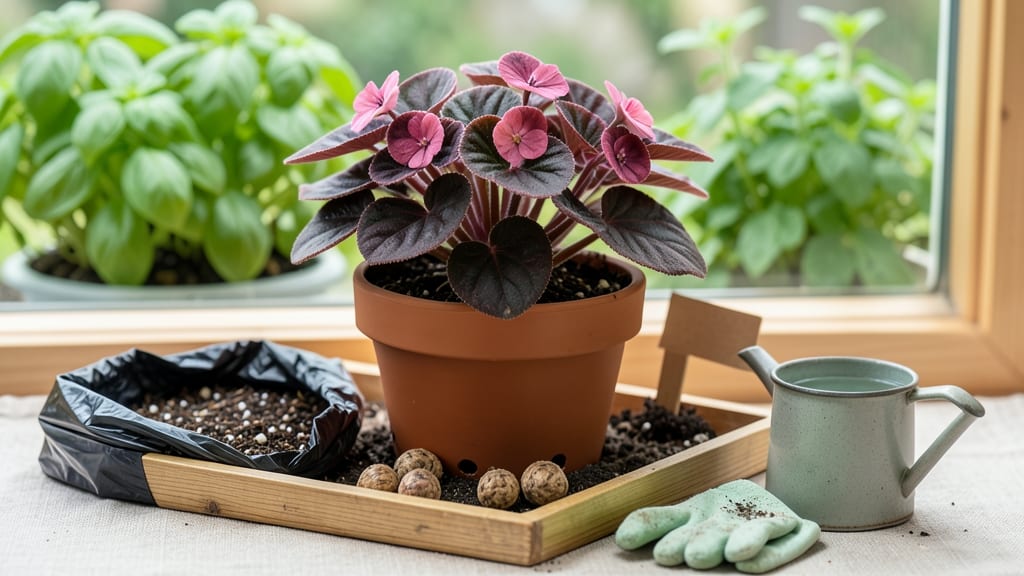
Planting begonias 🌸 in pots at the wrong time can mean the difference between vibrant blooms and sad, stunted plants. Whether you're in Zone 6a or a warmer climate, timing matters more than you might think—especially when it comes to frost sensitivity and container drainage.
Most gardeners assume they can pop begonias into pots anytime, but that’s a recipe for disappointment. The truth? Your location dictates everything from when to start seeds indoors to when to move potted begonias outside after the last frost.
Let’s break down the best months for your climate zone so you can enjoy those gorgeous flowers all season.
If you’ve ever watched your begonias wilt or refuse to bloom, chances are you planted them too early or too late. I’ll show you how to align your planting schedule with your zone’s frost dates, plus pro tips for extending the blooming season in containers—even in cooler areas.
Ready to give your begonias the perfect start? You’ll learn exactly when to plant, how to adjust for indoor vs. outdoor pots, and what to avoid to keep your plants thriving. Let’s get those 🌸 blooming on schedule!
Best months to plant begonias in pots by USDA climate Zone
Begonias thrive in containers but need precise timing to avoid frost damage or stunted growth. Since they're tender perennials, your USDA zone determines whether you can plant year-round or must wait for warmer months.
In Zones 10-11, you can plant begonias anytime—they love consistent warmth. But gardeners in Zones 3-9 must time planting carefully to enjoy blooms all season.
For most regions, late spring after frost is ideal, but container growing offers flexibility. Begonias in pots can be planted 2-4 weeks earlier than ground-planted varieties because containers warm faster.
This means Zone 3 gardeners might start planting in May instead of June, while Zone 7 gardeners can begin in April. Always check your last frost date and wait until soil temperatures exceed 60°F (15°C).
The key to success is understanding your zone's temperature thresholds. Begonias wilt when exposed to below 50°F (10°C) for extended periods. In cooler zones, overwintering potted begonias indoors lets you restart planting in early spring—just repot and refresh the soil before moving outside.
This strategy works beautifully for Zone 5-7 gardeners who want year-round color.
| USDA Zone | Best Planting Months | Ideal Soil Temp | Key Consideration |
|---|---|---|---|
| 3-5 | May-June (after frost) | 60°F+ (15°C+) | Use black pots to absorb heat; move indoors before 40°F (4°C) |
| 6-7 | April-May | 55°F+ (13°C+) | Overwinter indoors; repot in early spring for earlier blooms |
| 8-9 | March-April (or year-round in pots) | 50°F+ (10°C+) | Can plant winter begonias (like Begonia rex) in late summer for fall color |
| 10-11 | Year-round (with seasonal varieties) | 60°F+ (15°C+) | Rotate tuberous and fibrous-root types for continuous blooms |
In Zones 3-5, where winters are harsh, focus on warm-season varieties like Begonia semperflorens. These thrive in containers and can be planted 2-3 weeks after your last frost. Use heat-loving containers like terracotta or fabric pots to regulate soil temperature.
For Zone 6-7, you can experiment with early spring planting by starting seeds indoors in February and transplanting after April 15.
Gardeners in Zones 8-9 enjoy the most flexibility—they can plant begonias as early as March for spring blooms or late summer for fall color. This zone is perfect for seasonal variety rotation: try Begonia boliviensis in spring and Begonia socotrana in fall.
The key is maintaining consistent moisture and protecting plants from unexpected cold snaps below 50°F (10°C).
For Zones 10-11, begonias are year-round stars. Plant tuberous begonias in late winter for spring blooms, then transition to fibrous-root types like Begonia cucullata in summer. These zones allow for continuous blooming with proper care.
Just ensure your containers have drainage holes and use well-draining soil mixes to prevent root rot in the humid tropical climate.
No matter your zone, container size matters. Begonias need at least 6-inch pots for proper root development, but 8-10 inch containers support larger varieties like Begonia grandis.
Always use lightweight potting mix with perlite or orchid bark to improve drainage. Place pots in bright, indirect light—east or north-facing windows work best for indoor begonias.
Pro tip: Mulch container soil with orchid bark or coconut coir to retain moisture and regulate temperature. This is especially helpful in Zones 3-7 where soil can cool quickly at night. For Zone 8-11 gardeners, consider self-watering pots to maintain consistent moisture during dry spells.
With the right timing and care, your potted begonias will reward you with months of vibrant blooms.
How to extend Begonia blooming season in containers
Begonias thrive in containers but struggle with seasonal shifts—especially when temperatures drop. The key to year-round blooms lies in strategic planting times and smart overwintering. Even in cooler zones, you can enjoy vibrant begonia flowers by adjusting your schedule and care routine.
I’ve learned that timing isn’t just about when you plant; it’s about how you prepare your pots and plants for each season.
For most gardeners, begonias are seasonal stars, but with the right approach, they can bloom continuously in containers. Start by choosing frost-resistant varieties like Begonia semperflorens or Begonia x tuberhybrida, which handle cooler temps better than tropical types.
The secret? Planting at the right time and giving them a cozy winter retreat indoors or under protective covers.
- 1. Plant in late spring (after last frost) for outdoor pots. In Zones 10-11, you can plant year-round since they’re frost-free.
- 2. Use 6-inch pots with drainage holes to prevent root rot. Add perlite or orchid bark to soil for better aeration.
- 3. Move pots indoors before 50°F temperatures (Zone 6 and cooler). Place near east or north windows for bright indirect light.
- 4. Reduce watering in winter to every 2-3 weeks. Let soil dry slightly between waterings to avoid fungal issues.
- 5. Prune lightly in late winter to encourage new growth. Remove dead leaves and leggy stems to shape the plant.
- 6. Fertilize sparingly in spring with a balanced 10-10-10 formula. Avoid heavy feeding in winter when growth slows.
- 7. Repot in early spring if roots are crowded. Use fresh well-draining potting mix to refresh nutrients.
One of my biggest mistakes was leaving begonias outdoors too late in the season. Last year, I waited until October 1st to bring them inside, and the sudden temperature drop caused shock. Now, I move them indoors by September 15th in Zone 6 to avoid stress.
If you’re in a warmer zone, you can extend outdoor time until November, but watch for nighttime temps below 55°F.
For tuberous begonias, dig up tubers in fall, let them dry, and store in cool, dark conditions (like a garage) until spring. In spring, replant them after the last frost. This method lets you enjoy two blooming seasons per year—spring/summer outdoors and winter indoors with proper light.
Don’t forget to rotate your pots every few weeks to ensure even light exposure. Begonias lean toward the sun, which can make them lopsided. A simple quarter-turn weekly keeps them balanced and encourages fuller growth. With these adjustments, your container begonias will bloom year-round, even in cooler climates!