
Plants
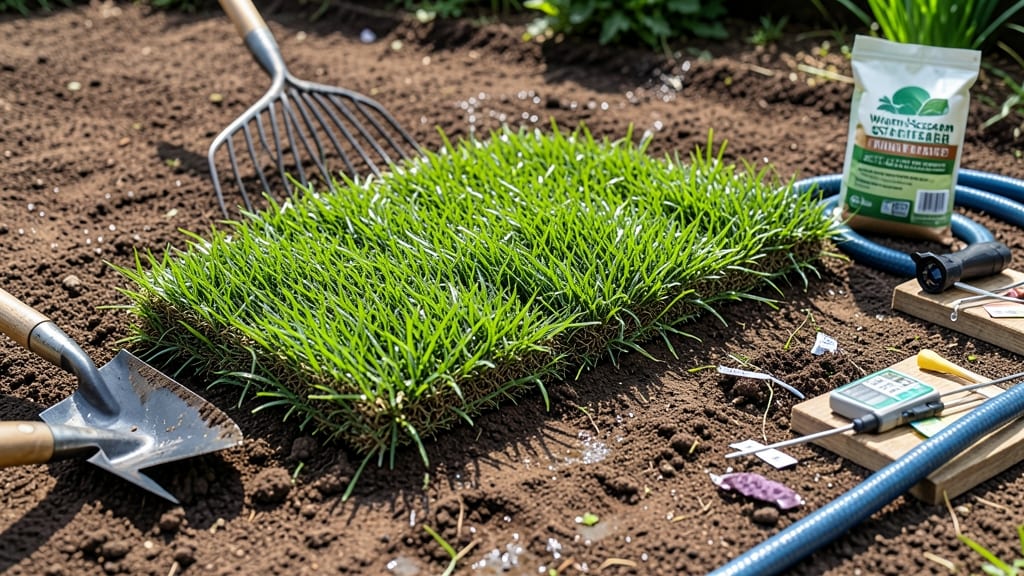
Planting Bermuda grass 🌱 in North Georgia at the wrong time can turn your dream lawn into a costly mistake—especially when soil temperatures and frost dates play such a big role.
The difference between a lush, green yard and a struggling patch often comes down to knowing when to put those seeds in the ground.
With North Georgia's USDA zones 7a-8a and unpredictable spring weather, timing is everything. You’ll want to avoid planting too early when frost can still creep in, but waiting too long might leave your grass struggling to establish before summer heat sets in.
In this guide, I’ll break down the ideal planting windows—both spring and fall—so you can choose the best approach for your lawn. Whether you’re working with seeds or sod, these insights will help you get it right the first time.
Ready to transform your yard? Let’s dive into the soil temperature secrets and frost-free strategies that make all the difference for Bermuda grass in North Georgia.
North Georgia soil temperature guide: when to plant Bermuda grass for fast germination
Bermuda grass thrives in warm soil, but planting too early in North Georgia can leave your seeds vulnerable to frost damage—even if the air feels spring-like. The key is waiting until the soil reaches a consistent 75°F+, which triggers fast germination and strong root development.
In USDA zones 7a-8a, this typically happens between late April and mid-May, but exact timing varies by elevation and microclimate.
For example, Atlanta’s lower elevation often hits ideal soil temps by early May, while the Blue Ridge Mountains may need to wait until June. Testing your soil temperature with a simple soil thermometer (or even a reliable weather app) is the best way to avoid guesswork.
I’ve planted Bermuda grass in both regions and found that patience here pays off—skipping this step can lead to patchy growth or total failure.
| Region | Ideal Soil Temp | Planting Window | Key Risk |
|---|---|---|---|
| Atlanta Metro | 75°F+ (consistent) | Late April–May | Late frost (after April 15) |
| North Georgia Mountains | 75°F+ (consistent) | May–June | Cooler nights delay germination |
| Valley Areas (e.g., Dalton) | 70°F+ (minimum) | Early May–June | Drought stress if planted too late |
If you plant Bermuda grass seeds when soil temps are below 65°F, germination slows dramatically, and seedlings become weak. I’ve seen lawns planted in March or early April struggle to establish before summer heat arrives, leaving them vulnerable to weeds.
The 75°F threshold isn’t just a recommendation—it’s a biological necessity for Bermuda grass to activate its growth hormones.
To test your soil temperature, insert a thermometer 2–4 inches deep in the ground (where roots will grow) and check it for 3–5 days. Morning readings are most accurate because soil cools overnight. If temps dip below 60°F at night, your seeds may rot before sprouting.
Pro tip: Use a black plastic mulch to warm the soil faster if you’re in a hurry—just remove it once germination starts.
Another critical factor is soil moisture. Bermuda grass needs consistently moist soil to germinate, but not soggy. Water deeply 2–3 times per week until seeds sprout (about 7–14 days), then taper to 1 inch per week.
Overwatering can suffocate seeds, while underwatering leads to weak starts. I’ve lost count of how many times I’ve seen lawns fail because of inconsistent watering—don’t let that be you!
For those in higher elevations, like the Blue Ridge area, fall planting in early September can be a smart alternative. The soil stays warm enough for germination while avoiding summer’s intense heat.
However, you’ll need to overseed in spring if you want full coverage—Bermuda grass spreads slowly from seed compared to sod.
One common mistake I see is planting Bermuda grass sod instead of seeds when soil temps are still borderline. Sod establishes faster, but it’s also more expensive and requires precise timing.
If you’re using sod, aim for 70°F soil temps (slightly lower than seeds) and keep it watered daily for the first 2 weeks to encourage root growth into the soil.
Remember, regional microclimates matter. A spot near a lake or in a urban heat island (like downtown Atlanta) may warm up faster than a rural area.
Pay attention to local frost-free dates—in North Georgia, the last frost typically occurs around March 15, but cold snaps can linger until April. Planting too soon is riskier than waiting a few extra weeks.
Finally, if you’re unsure about timing, opt for Bermuda grass sod instead of seeds. Sod establishes faster and is less sensitive to temperature fluctuations, giving you a head start on a lush lawn.
But if you’re committed to seeds, late April to mid-May is your best bet for most of North Georgia—just double-check your soil temps first!
Frost-free window secrets: avoiding common mistakes when planting Bermuda grass in Georgia
North Georgia’s frost-free window is your golden opportunity to plant Bermuda grass without risking damage. While the last frost typically occurs around March 15, late frosts can linger into April, especially in higher elevations like the Blue Ridge Mountains.
Planting too soon—even with warm days—can leave your seeds or sod vulnerable to frost damage, stunting growth or killing young plants entirely.
For most of North Georgia, the safe planting window extends from late April through June, but timing depends on your specific microclimate. In Atlanta’s urban heat islands, you might start as early as mid-April, while mountain regions should wait until May or June.
The key is monitoring soil temperatures (not just air temps) to ensure they stay above 65°F consistently.
⚠️ Critical Mistake Alert: Planting Before Soil Warms
Many gardeners assume air temperature is the deciding factor, but soil temperature is what truly matters for Bermuda grass. Planting seeds when soil temps are below 65°F leads to:
- ❌ Slow germination (seeds may take 3+ weeks to sprout instead of 7–14 days)
- ❌ Weak seedlings prone to disease and drought stress
- ❌ Fungal growth from excess moisture in cool soil
Pro Tip: Use a soil thermometer or check local agricultural extension reports for real-time soil data. In North Georgia, aim for 75°F+ soil temps for optimal results.
If you’re planting in early spring (April), be prepared for potential frost damage by using row covers or black plastic mulch to protect young plants. I’ve seen lawns planted in April thrive when covered at night, but uncovered seeds often fail when temps drop below 40°F.
For sod, the risk is lower, but it still needs consistent warmth to root properly.
Another common mistake is overestimating your lawn’s readiness. Even if your Bermuda grass seeds sprout in May, they won’t fill in completely until summer heat arrives.
Weeds often take advantage of this gap, so plan to overseed or use a pre-emergent herbicide in early spring to suppress weeds until your grass establishes.
To extend your growing season, consider fall planting in early September. This gives Bermuda grass time to germinate before the first frost (typically November 15 in North Georgia).
Fall-planted grass may not fully establish until spring, but it’s a smart strategy for higher elevations where spring planting windows are short.
Here’s a quick post-frost checklist to assess damage and recover:
- ✅ Check for brown patches—if grass is mushy, it’s dead; if firm, it may recover.
- ✅ Water deeply 2–3 times per week to encourage regrowth.
- ✅ Apply a light fertilizer (10-10-10) to stimulate recovery.
- ✅ Overseed bare spots in late spring for full coverage.
With the right timing and a little preparation, you can avoid the most common frost-related pitfalls and enjoy a lush Bermuda grass lawn all season long. 🌱