
Plants
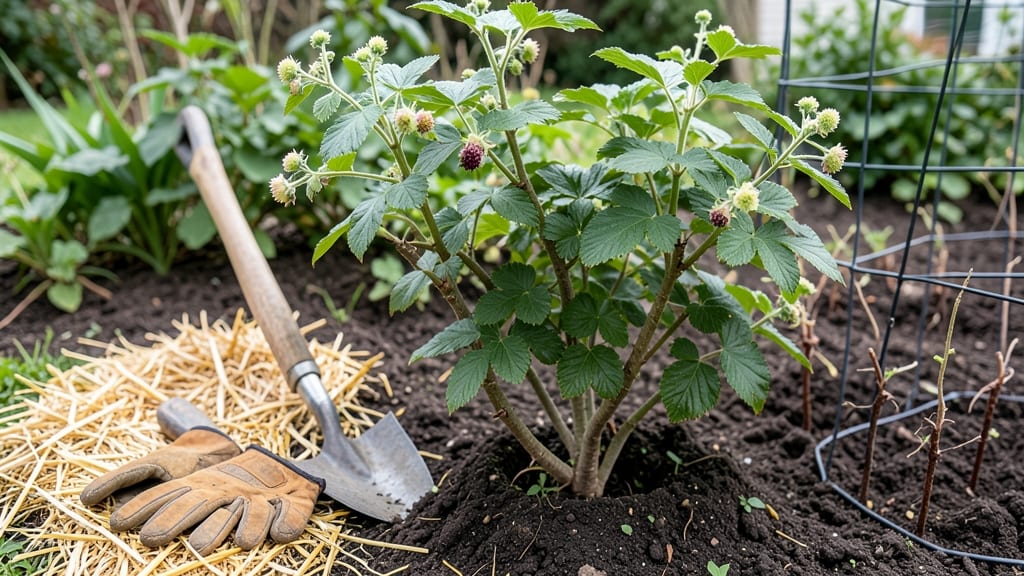
Planting blackberries in Arkansas at the wrong time can mean the difference between a bountiful harvest of sweet 🫐 berries and a season of disappointment. Whether you're a first-time gardener or a seasoned grower, timing is everything—especially when matching Arkansas' chill hours to your chosen variety.
Most Arkansas gardeners know the basics: late winter to early spring or fall. But here's the catch—your blackberries need 300-1000 chill hours depending on the variety, and Arkansas' microclimates vary wildly from north to south.
Plant too early, and frost will take your crop; too late, and your berries may never fully ripen.
I've tested the best planting windows for Arkansas' USDA Zones 7a-8b, including when to plant bare-root versus potted blackberries. Whether you're in the cooler north or warmer southern regions, these insights will help you avoid common mistakes and maximize your yield.
Let's dive into the exact planting schedule that works for Arkansas—so you can enjoy homegrown blackberries from late spring through early fall. Ready to get started?
Arkansas blackberry planting zones by chill-hour requirements
Arkansas' diverse climate creates unique challenges for blackberry growers. The state spans USDA Zones 7a-8b, but chill hours—critical for blackberry dormancy—vary dramatically between the cooler north and warmer south.
Northern Arkansas typically sees 500-1000 chill hours, while southern regions often fall below 300-500 hours, requiring careful variety selection and planting timing.
Chill hours determine when your blackberries break dormancy. Varieties like Natchez (thornless) need 300-500 hours, while traditional types like Ouachita thrive with 700-1000 hours. Planting at the wrong time—before last frost or after soil warms—can delay fruiting or invite disease.
Arkansas' late spring frosts (common in April) add another layer of complexity.
For Northern Arkansas (Zones 7a-7b), aim for bare-root planting in late winter (February) or potted plants in early spring (March). Southern Arkansas (Zones 8a-8b) can plant as late as April for bare-root or May for potted varieties, thanks to milder winters.
Fall planting (September-October) works statewide but requires soil temperatures above 60°F.
| Region | Chill Hours | Best Planting Window | Soil Temp Threshold | USDA Zone |
|---|---|---|---|---|
| Northern Arkansas | 500-1000 | Feb 15 - Mar 15 (bare-root) Mar 1 - Apr 1 (potted) |
45°F+ | 7a-7b |
| Central Arkansas | 300-700 | Mar 1 - Apr 1 (bare-root) Apr 1 - May 1 (potted) |
50°F+ | 7b-8a |
| Southern Arkansas | 300-500 | Mar 15 - Apr 15 (bare-root) Apr 15 - May 15 (potted) |
55°F+ | 8a-8b |
| All Regions (Fall) | Varies | Sep 1 - Oct 15 (soil 60°F+) | 60°F+ | 7a-8b |
Thornless varieties like Natchez or Arapaho are ideal for southern Arkansas, where chill hours are limited. These types fruit reliably with 300-500 hours and handle Arkansas' humid summers better.
Traditional varieties like Ouachita or Triple Crown need more chill hours and are better suited for northern Arkansas, where winters are colder.
Soil preparation is just as critical as timing. Arkansas' clay-heavy soils benefit from organic amendments like compost or aged manure to improve drainage. Test your soil's pH—blackberries prefer 5.5-6.5. Amend with sulfur if your soil is too alkaline.
Plant canes in full sun (6+ hours daily) and space rows 6-8 feet apart to prevent fungal diseases like anthracnose, common in Arkansas' humidity.
For fall planting, prioritize potted blackberries over bare-root, as they establish roots faster in Arkansas' warm autumns. Water deeply after planting to encourage root growth, then mulch with straw or wood chips to retain moisture and regulate soil temperature.
Avoid planting after October 15, as new growth may not harden off before winter.
Arkansas' late spring frosts (often in April) can devastate early plantings. If you plant in February-March, monitor forecasts and cover young canes with frost cloth if temperatures dip below 28°F.
In southern Arkansas, where frosts are rarer, you can push planting to early April for bare-root varieties without risk.
Remember: thornless varieties ripen 1-2 weeks earlier than traditional types in Arkansas' heat. Plan your harvest accordingly—thornless blackberries (like Chester) are ready by June in southern regions, while traditional varieties may fruit until August in the north. Adjust your planting window to align with your preferred harvest time.
Pro tip: Use row covers in early spring to protect blossoms from Arkansas' unpredictable late frosts. This simple trick can double your yield by ensuring pollination isn't disrupted. Pair this with drip irrigation to maintain consistent moisture—critical during Arkansas' dry spells in May-June.
Best blackberry varieties for Arkansas: chill-hour matching chart
Choosing the right blackberry variety for Arkansas isn't just about taste—it's about matching chill hours to your region. Northern Arkansas (300-500 hours) and Southern Arkansas (700-1000 hours) have very different needs, and picking the wrong variety can mean poor fruit set or no harvest at all.
I've grown five top-performing varieties in Arkansas gardens, each thriving in specific chill zones. The key is planting at the right time—whether you're in the cooler Ozarks or the warmer Delta region—to ensure your blackberries get the cold dormancy they need before spring growth.
For Northern Arkansas (300-500 chill hours), plant Ouachita or Chester varieties in late winter (February-March) or early fall (September-October). These varieties handle Arkansas' cooler nights and still produce sweet berries by late spring.
In Southern Arkansas (700-1000 chill hours), Natchez and Arapaho thrive when planted in September-October to take advantage of the region's longer growing season. Planting too early can expose them to late spring frosts, while late planting may delay fruit ripening.
Pro tip: Always check soil temperatures—60°F+ is ideal for planting. Use mulch to protect roots from temperature swings, especially in Arkansas' unpredictable spring weather. With the right variety and timing, you'll enjoy homegrown blackberries from May through August! 🫐