
Plants
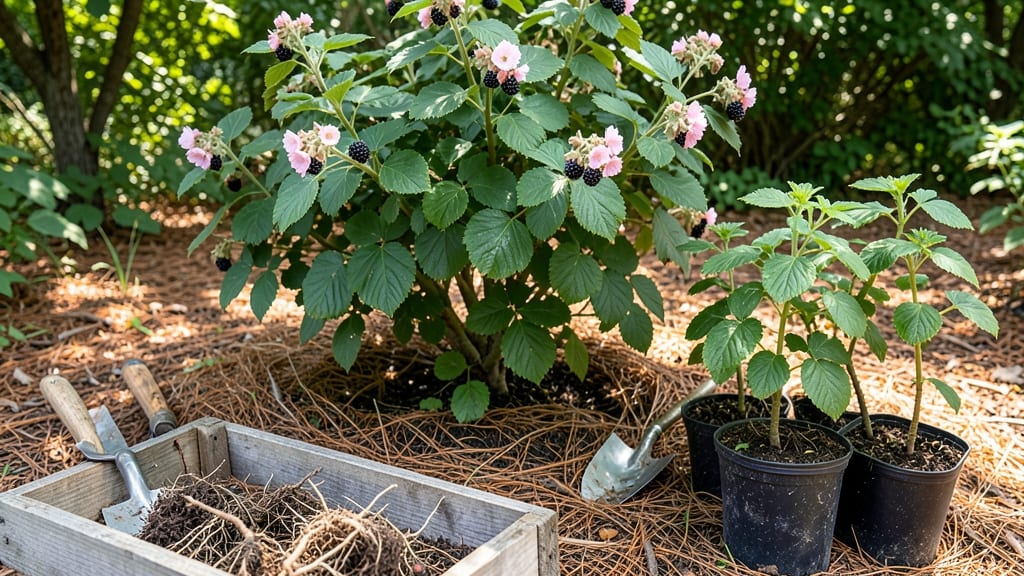
Planting blackberries in Louisiana’s sweltering summers and humid climate isn’t just about timing—it’s about survival. Get the months wrong, and your 🫐 canes may struggle before they even take root.
Louisiana’s 8a-9b zones demand precise planting windows to avoid summer stress, especially when dealing with heat-loving varieties like 'Arapaho' or 'Navaho'. The key is planting late winter to early spring, typically between February and March, giving your berries a head start before the heat ramps up.
Why does timing matter so much? Because blackberries planted too early face fungal risks from spring rains, while late plantings miss the critical root-establishment window. I’ll show you exactly how to balance these factors for a thriving patch that outshines neighbors.
Beyond the calendar, we’ll tackle Louisiana-specific challenges like soil prep for heavy clay and pest timing. Let’s set you up for a harvest that’s plump, juicy, and ready by May—no guesswork required.
Best months to plant blackberries in Louisiana’s climate zones
Louisiana’s humid subtropical climate in zones 8a-9a creates unique challenges for blackberry growers. Unlike cooler regions, timing isn’t just about frost dates—it’s about avoiding summer heat stress and fungal pressure.
The ideal window balances soil warmth with moisture retention, giving young canes the best chance to establish before June’s relentless heat arrives.
Most Louisiana gardeners swear by late winter to early spring planting (February through March), but regional microclimates like New Orleans’ coastal humidity or Shreveport’s drier inland air can shift this by 2-3 weeks.
For example, southern Louisiana’s longer frost-free season allows for extended planting into April, while northern areas should aim to finish by mid-March to avoid early summer’s 90°F+ temperatures.
Here’s the critical planting timeline broken down by Louisiana’s distinct climate zones, including soil prep timing and heat tolerance strategies:
| Zone | Best Planting Window | Soil Prep Month | Key Consideration |
|---|---|---|---|
| 8a (North LA) | Late Feb - Mid March | January-February | Avoid late March; heat arrives fast |
| 8b (Central LA) | Mid Feb - Early April | January-March | Extended window; monitor rainfall |
| 9a (South LA) | Late Feb - Mid April | February-March | Humidity increases fungal risk; amend soil |
Planting in late winter (February) gives blackberries 8-10 weeks to establish roots before summer’s peak heat. This is especially critical for floricane-fruiting varieties like ‘Natchez,’ which need strong canes to support heavy fruit loads in May-June.
However, primocane-fruiting types (e.g., ‘Arapaho’) can tolerate slightly later plantings into early April if you provide afternoon shade during establishment.
One common mistake is planting too early in January, when soils remain cold and waterlogged from winter rains. This delays root growth and increases root rot risk.
Instead, aim to plant when soil temperatures reach 60°F+—typically late February in northern LA and early February in southern areas. Use a soil thermometer to confirm; 55°F is the minimum for healthy root development.
For gardeners in humidity-prone areas (e.g., Baton Rouge or Lafayette), consider fall planting in October as an alternative. While less common, this strategy avoids summer fungal pressure and allows canes to establish slowly before winter dormancy.
However, prune aggressively in early spring to redirect energy into new growth rather than overwintered canes.
Regional adjustments matter: New Orleans’ coastal breezes can push planting 2 weeks later than inland areas like Alexandria, where hotter, drier air demands earlier soil prep.
Always check your local extension service for last frost dates—though in Zone 9a, frost is rarely the limiting factor; heat and humidity are.
Pro tip: Mulch heavily with straw or pine needles after planting to retain moisture and moderate soil temps. In southern Louisiana, this is non-negotiable—bare soil can reach 100°F+ by May, shocking young roots.
Pair this with drip irrigation set to water deeply 2-3 times per week during establishment.
Finally, avoid summer planting unless you’re using heat-tolerant varieties like ‘Osage’ and providing 30% shade cloth. Even then, transplant shock from 90°F+ soils can set back growth by 4-6 weeks. When in doubt, stick to the February-April window—it’s the sweet spot for Louisiana’s blackberry success.
Critical pre-planting checks for Louisiana’s humid conditions
Louisiana’s humid climate turns blackberry planting into a high-stakes game—one wrong move, and root rot or fungal diseases can wipe out your canes before they thrive. The key? Preparing your soil and site like a pro to outsmart the moisture.
Start by testing your soil pH—blackberries demand a range of 5.5 to 6.5, and Louisiana’s acidic soils often need lime to hit that sweet spot.
Next, tackle drainage. Heavy clay soils, common across the state, act like sponges after rain, suffocating roots. Amend beds with compost or sand to improve aeration, and consider raised beds if your yard stays soggy.
Timing matters too: plant when rainfall is light, ideally in February or March, to avoid waterlogged roots during the critical first weeks.
🌱
⚠️ Louisiana Blackberry Pre-Planting Checklist
- 📋 Soil pH: Test and adjust to 5.5–6.5 (use lime for acidity)
- 💧 Drainage: Amend clay soil with compost/sand; raise beds if needed
- ☀️ Planting Window: Feb–Mar (avoid rainy seasons)
- 🛡️ Pest Prep: Monitor for blackberry borer (trap early with pheromone lures)
💡 Pro Tip: Mulch with pine straw to deter fungal spores and retain moisture without smothering roots.
Don’t overlook pest scouting—Louisiana’s blackberry borer larvae can chew through canes before you notice. Set up pheromone traps in early spring to catch infestations early. Also, avoid planting near old berry patches; soil-borne diseases like anthracnose linger and spread like wildfire in humidity.
Finally, space your canes properly. Louisiana’s heat demands 4–6 feet apart for airflow, reducing fungal pressure. If you’re planting in rows, orient them north-to-south to maximize sunlight exposure. Skip the afternoon shade—blackberries crave 6+ hours of direct sun to ripen fruit properly.
With these checks complete, your blackberries will hit the ground running—disease-resistant, well-drained, and ready to outlast Louisiana’s worst humidity. The payoff? Juicy, homegrown berries that put store-bought to shame by summer’s end.
🫐