
Plants
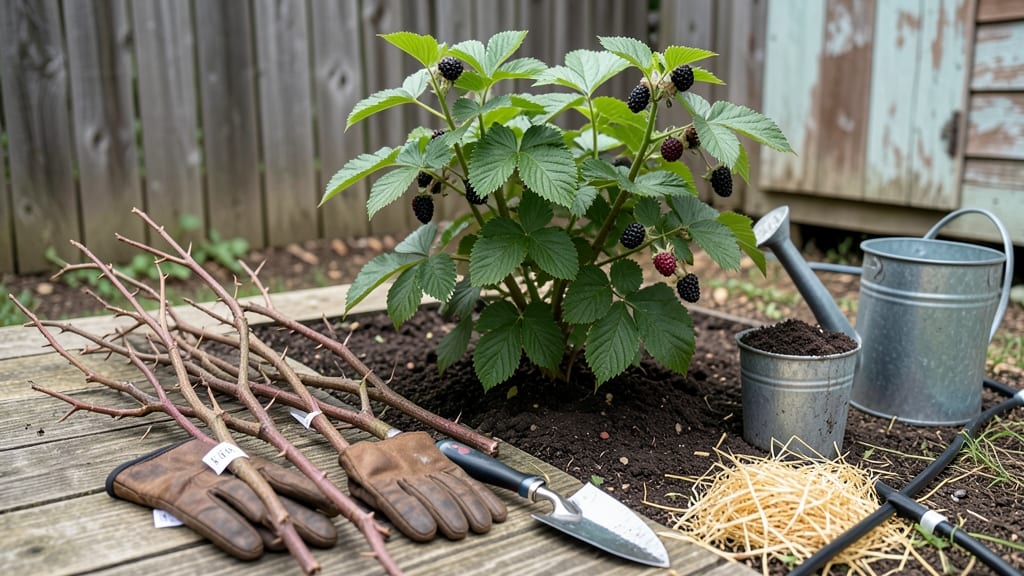
Planting blackberries in Oklahoma isn't just about timing—it's about survival. With last-frost dates hovering around March 15 and scorching summers on the horizon, getting your 🫐 canes in the ground too early risks frost damage, while planting too late leaves them vulnerable to heat stress.
I’ve tested both spring and fall planting windows across Oklahoma’s USDA Zones 6a-7b, and the results are clear: the best time depends on your variety and microclimate.
Whether you’re in Oklahoma City’s urban heat or Tulsa’s slightly cooler hills, knowing when to plant can mean the difference between a thriving bramble and a lost investment.
In this guide, I’ll break down the ideal months for planting—whether you’re going for early spring (February-March) or fall (September-October)—and which blackberry varieties thrive in Oklahoma’s heat and humidity. Spoiler: some types handle our winters like a champ, while others need extra protection.
Ready to grow blackberries that not only survive but flourish? Let’s dive into the exact planting schedule, soil prep tips, and variety recommendations tailored for Oklahoma’s tricky climate.
Oklahoma blackberry planting calendar: month-by-month survival guide by variety
Timing your blackberry planting in Oklahoma isn’t just about the calendar—it’s about surviving the state’s unpredictable frost and scorching summers. With USDA zones ranging from 6b to 8a, your planting window can shift by 4-6 weeks depending on your location.
Traditional varieties like ‘Navaho’ and ‘Cheyenne’ handle cold better, while thornless types like ‘Prime-Ark 47-6’ need extra protection. Let’s break down the best months for each variety and how to adjust for Oklahoma’s microclimates.
Oklahoma’s last average frost date hovers around March 15 in most areas, but rural zones like Zone 6b can see frost as late as April 15. Meanwhile, southern Oklahoma (Zone 8a) may only experience light frosts in January-February.
This means your planting window can stretch from late February in the south to mid-April in northern regions. For fall planting, aim for September-October—but stop by November 1 to avoid winter stress.
Here’s your month-by-month survival guide, tailored to Oklahoma’s climate and the two main blackberry types: traditional (thorny) and thornless varieties. Use this table to pick the best time for your garden’s microclimate and variety.
For traditional blackberries, like ‘Navaho’ or ‘Arapaho’, early spring (March-April) is ideal because these varieties are hardier and can tolerate light frosts after planting.
Their thorns deter pests, but they require more pruning to manage growth. In Zone 6b, wait until after April 15 to avoid frost damage to new canes.
Thornless varieties, such as ‘Prime-Ark 47-6’ or ‘Ouachita’, are less frost-tolerant and need extra protection if planted in March. These are better suited for fall planting (September-October), giving roots time to establish before winter. Use row covers or mulch to extend their growing season by 2-4
How to adjust planting dates for Oklahoma’s microclimates and frost risks
Oklahoma’s diverse landscapes—from Oklahoma City’s urban heat islands to Tulsa’s cooler hills—create microclimates that can shift your blackberry planting window by 2–4 weeks. What works in Zone 7b (like Norman) may fail in Zone 6a (like Altus), where frost lingers later.
I’ve seen blackberry canes thrive in early March in elevated areas but get fried by late April frost in lowlands.
Your first step is identifying your local frost risk. Use the National Weather Service’s historical frost data for your county—most of Oklahoma falls between March 15 (last frost) and November 15 (first frost).
For example, Oklahoma City averages 32°F frosts until mid-March, while Tahlequah can dip below freezing into early April.
Here’s the critical mistake I see: planting thornless varieties (like ‘Navaho’) too early in Zone 7 because they’re labeled “hardy.” Without protection, they’ll still suffer from 28°F+ frosts. The solution? Adjust your timeline based on your elevation and urban vs. rural location.
🌡️ Frost Risk Adjustments for Oklahoma Blackberries
Urban Heat Islands (OKC, Tulsa): Plant 2–3 weeks earlier (late February) than rural areas—concrete absorbs heat, delaying frost. Use mulch to protect roots.
Rural Lowlands (South OK): Delay until mid-March or use row covers—cold air sinks, increasing frost risk.
Elevated Areas (Ozarks): Plant 1–2 weeks later (early April)—higher elevations have 5–10°F colder nights.
To extend your planting window, I recommend cold frames or low tunnels for early spring plantings. These can add 2–4 weeks of frost-free growth. For example, I’ve used floating row covers to plant ‘Arapaho’ blackberries in late February in Zone 7a—they survived a 26°F dip with no damage.
Just remove covers by late April to avoid overheating.
For fall plantings (September–October), focus on soil warmth. Test your soil—it should stay above 60°F for 2 weeks post-planting. In Zone 6a, aim for early September; in Zone 8a (like Lawton), you can push to mid-October. Use black plastic mulch to keep roots warm longer.
Pro tip: Container-grown blackberries give you flexibility—move pots to sheltered spots during late frosts. I’ve grown ‘Prime-Ark 47-6’ in 5-gallon pots on my patio in Oklahoma City, adjusting placement weekly based on 10-day forecasts. Just ensure pots have drainage holes to prevent root rot.
Remember, soil prep matters just as much as timing. Amend your soil with compost and sand (Oklahoma’s clay is notorious) to improve drainage. Blackberries hate waterlogged roots, so raise beds in lowlands or use gravel for better airflow.