
Plants
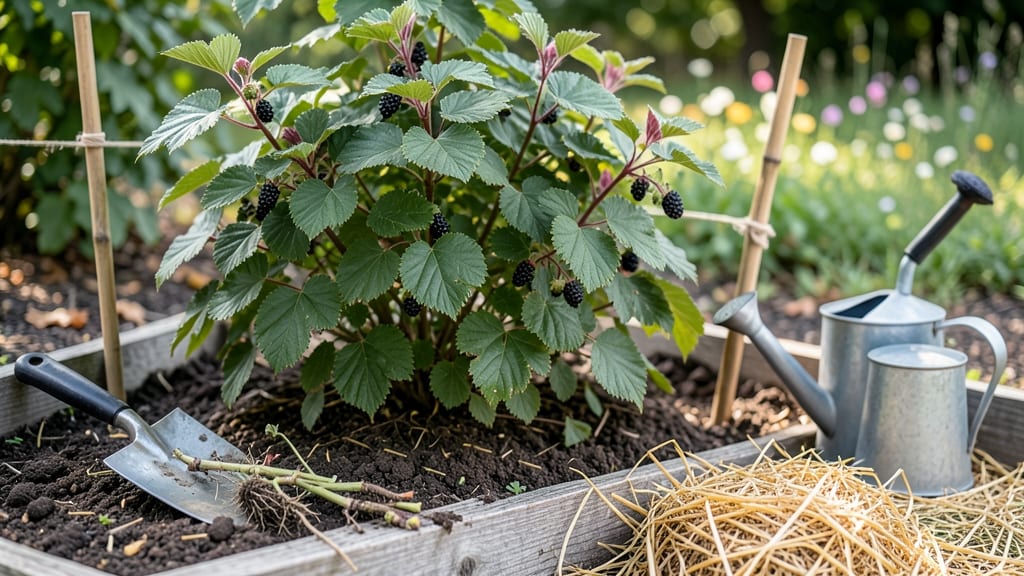
Planting blackberries in Tennessee at the wrong time can turn your dream bramble patch into a frustrating gamble—especially when you're just 3 steps away from a bountiful harvest.
These fast-growing shrubs thrive when planted during Tennessee’s ideal windows: late winter through early spring or fall, when soil temperatures cooperate and frost risks are minimal.
If you’ve ever wondered why your neighbors’ 🫐 bushes burst with fruit while yours struggle, timing is the key. Tennessee’s zones 6a-7b offer two perfect planting seasons, each with its own advantages.
Whether you’re in East Tennessee’s cooler hills or West Tennessee’s warmer valleys, knowing when to get those canes in the ground makes all the difference.
I’ll walk you through the exact months to plant for maximum success, plus how to prep your soil and choose the right varieties—like thornless ‘Arapaho’ or hardy ‘Chester’—that do best in your microclimate.
No more guessing games, just a clear, step-by-step guide to get your blackberries off to a flying start.
Ready to turn your backyard into a berry paradise? Let’s dive into the best planting windows and tips to keep your blackberries thriving from day one.
Best planting months for blackberries in Tennessee’s climate zones 6-8
Tennessee’s diverse climate zones (6-7 in the east/north and 7-8 in the west/south) create distinct planting windows for blackberries. Getting the timing right ensures strong root establishment before winter or summer heat.
In Zone 6-7, cooler temperatures mean earlier frost risks, while Zone 7-8 offers a longer growing season. Both zones benefit from fall or early spring planting, but the exact window shifts based on your location.
For Zone 6-7 (eastern/northern TN), aim to plant blackberry canes between late February and early April or September to mid-October. This timing avoids late spring frosts and gives roots time to establish before winter dormancy.
In Zone 7-8 (western/southern TN), you can extend planting into late April or even early November, thanks to milder winters and later frost dates.
Soil temperature is your best indicator for planting. Blackberries thrive when soil reaches 50-60°F (10-15°C). In Tennessee, this typically happens in late winter/early spring (March) or early fall (September-October).
Use a soil thermometer to confirm—planting too early in cold soil can stunt root growth, while waiting too long risks summer stress.
Frost dates are critical. In Zone 6-7, the average last frost is March 15, so plant 4-6 weeks before to allow roots to anchor. In Zone 7-8, the last frost arrives 2-3 weeks earlier, giving you more flexibility.
Always check your local frost calendar—Tennessee’s microclimates can vary by 10-14 days even within short distances.
Fall planting (September-October) is often preferred for Tennessee growers because it allows roots to establish before winter. By planting in cool but frost-free conditions, you reduce transplant shock and give young plants a head start.
In Zone 6-7, aim to finish by mid-October to avoid early winter freezes, while Zone 7-8 gardeners can push into early November.
If you miss fall, early spring is your next best option. In Zone 6-7, plant by early April to avoid late frosts, while Zone 7-8 can extend to late April.
Avoid planting in May-July—summer heat stresses young plants, and they may not recover before winter. For container-grown blackberries, you have slightly more flexibility, but still prioritize soil temperature over calendar dates.
Bare-root blackberries are hardier and often preferred for Tennessee’s climate, but potted plants work too if handled carefully. When planting bare-root canes, soak them in water for 1-2 hours before planting to rehydrate roots.
For potted plants, remove the container and loosen roots gently to encourage spreading. Both methods benefit from a mulch layer (2-3 inches of straw or wood chips) to retain moisture and regulate soil temperature.
Local nurseries like Tennessee Nursery Supply (Nashville) or Garden Center of Memphis often stock Tennessee-adapted varieties like 'Arapaho' or 'Chester,' which thrive in these zones. Call ahead to confirm planting-ready stock—some nurseries offer fall pre-orders for early access.
Pro tip: Ask about thornless varieties if ease of harvest is a priority.
After planting, focus on watering deeply (1-2 gallons per plant) for the first 4-6 weeks to encourage root growth. In Zone
How to prepare your Tennessee garden for blackberry planting success
Once you’ve locked in your planting window, the next step is preparing your Tennessee garden to give blackberries the perfect start. These plants are heavy feeders that demand well-draining soil and plenty of sunlight, but they’ll reward you with juicy, prolific berries if you get the foundation right.
I’ve learned from years of trial and error—skipping soil prep can mean stunted growth or poor fruit quality, even with the best timing.
Start by testing your soil pH—blackberries prefer slightly acidic conditions between 5.5 and 6.5. If your soil runs higher, amend it with sulfur or peat moss before planting. Tennessee’s clay-heavy soils in many areas can also benefit from compost or aged manure to improve drainage and fertility.
I always mix in a 2-3 inch layer of compost into the top 12 inches of soil to give roots a nutrient-rich welcome.
Blackberries crave full sun exposure, ideally 6-8 hours daily. In Tennessee’s microclimates, this might mean planting on a south-facing slope in cooler East Tennessee or a sheltered sunny spot in West Tennessee’s heat.
Avoid low-lying areas where frost or cold air pools—blackberries hate soggy roots and late frosts. If your yard has shady spots, consider container growing near a sunny wall or fence.
🚨 callout warning 🚨
⚠️ Critical Mistake to Avoid in Tennessee Gardens
Planting blackberries in heavy clay without drainage is a recipe for root rot, especially in Tennessee’s wet springs. Even if your soil tests perfect for pH, amend with coarse sand or perlite to break up compacted clay. I’ve seen blackberries planted in unamended clay wilt within weeks—don’t let that be you!
Pro Tip: Dig a 6-inch deep trench around your planting area and fill it with gravel or crushed stone to create a drainage barrier.
Drainage is non-negotiable for blackberries. If your yard has poor natural drainage, consider building a raised bed or mounding soil to create a slight elevation. I’ve had success with berm-style plantings where the soil slopes gently away from the center—this helps water run off during Tennessee’s heavy summer rains.
Add a 2-inch layer of mulch (straw or wood chips) around plants to retain moisture and suppress weeds, but keep mulch 3 inches away from stems to prevent rot.
Companion planting can also boost your blackberries’ success. Pair them with comfrey or borage to improve soil fertility, or plant marigolds nearby to deter pests like Japanese beetles. Avoid planting near walnut trees, though—their roots release juglone, a toxin that stunts blackberry growth.
In my garden, I’ve noticed thyme and lavender planted at the base of blackberry canes help repel pests naturally while adding fragrance.
Finally, give your blackberries space to sprawl. These plants send out aggressive runners, so space them 3-4 feet apart in rows 6-8 feet apart. If you’re growing thornless varieties like ‘Arapaho’, you can plant slightly closer (2-3 feet apart) for easier harvesting.
Install T-posts or wire trellises at planting time to support canes as they grow—this saves you from wrestling with tangled brambles later.