
Plants
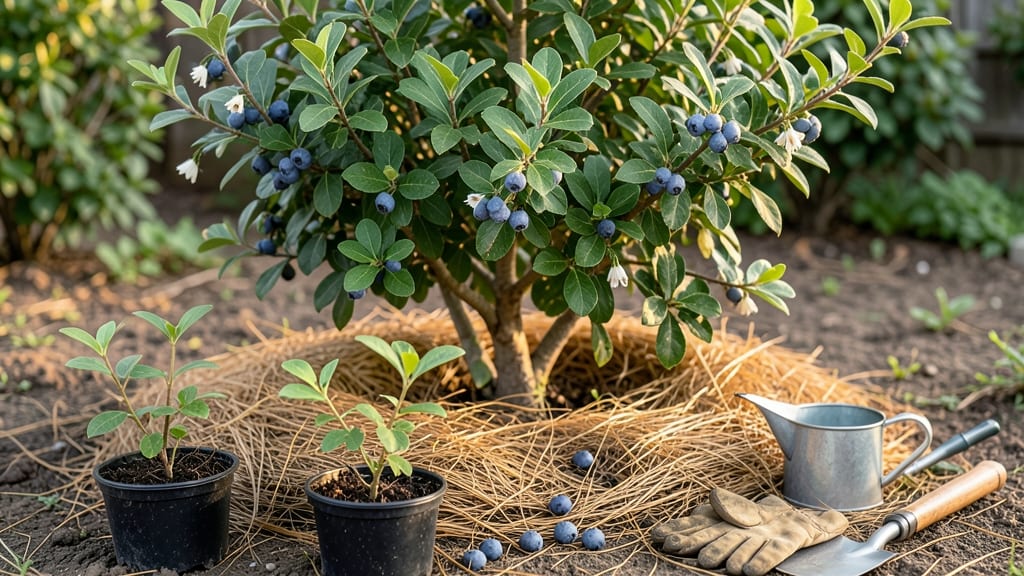
Planting your 🫐 Blueberry Bush at the wrong time in Alabama could mean waiting years for sweet harvests—or worse, losing your investment entirely.
The key isn’t just picking a season, but matching your variety to the 400-900 chill hours your county actually gets, which varies wildly from the mountains to the coast.
Most gardeners in Alabama’s 7b-8a zones assume spring is the only window, but late fall through early spring offers cooler roots and fewer transplant shocks. I’ve seen firsthand how a March planting in Huntsville thrives where a May attempt in Mobile struggles—it’s all about those chill hours.
Whether you’re planting bare-root bushes in well-draining soil or container-grown varieties, we’ll break down exactly when to dig in your specific region. You’ll learn how to read frost dates, adjust for microclimates, and even protect young plants from Alabama’s unpredictable March 15 last frost.
Skip the guesswork: by the end, you’ll know exactly when to plant for berries that ripen May through June, plus pro tips to keep your bushes productive for decades. Let’s get those roots in the ground the right way.
Best planting months in Alabama based on chill-hour requirements
Alabama’s climate varies dramatically from the coastal plains to the Appalachian foothills, making chill-hour requirements the key to successful blueberry planting. Southern Highbush varieties need just 400–600 chill hours, while Rabbiteye types thrive with 700–900 hours.
Planting outside these windows risks poor fruit set or no harvest at all.
For North Alabama counties like Madison or Jackson, aim for late fall (October–November) planting when soil temps drop below 60°F. In Central Alabama, like Montgomery or Birmingham, early spring (February–March) is ideal to avoid summer heat stress.
Southern regions like Mobile can plant year-round but prioritize winter months for best results.
Chill hours are calculated by tracking temps between 32°F and 45°F over winter. Use the USDA Chill-Hour Map to verify your county’s range—this ensures your chosen variety gets enough dormancy time. For example, Rabbiteye varieties like ‘Climax’ need 700+ hours, while Southern Highbush ‘Southern Belle’ thrives with 500–600 hours.
| Variety Type | Chill Hours Needed | Best Planting Window | Recommended Alabama Counties |
|---|---|---|---|
| Southern Highbush | 400–600 | February–March or October–November | Mobile, Baldwin, Escambia (South), Jefferson, Shelby (Central) |
| Half-High | 500–700 | Late October–early December | Autauga, Elmore, Talladega (Central), Marshall, DeKalb (North) |
| Rabbiteye | 700–900 | October–November | Jackson, Madison, Marshall, Etowah (North), Limestone, Lawrence (North) |
If you’re in South Alabama with milder winters, opt for Southern Highbush varieties like ‘O’Neal’ or ‘Misty.’ These handle 400–500 chill hours and can even produce fruit in cooler winters.
For North Alabama’s colder winters, Rabbiteye varieties like ‘Powderblue’ or ‘Tifblue’ are hardier and meet the 700+ hour requirement.
Container planting extends your options—use large pots (15+ gallons) to grow blueberries in urban areas like Huntsville or Birmingham. This method lets you control soil acidity and moisture, but still follow the same chill-hour guidelines for your region.
Just plant containers in well-draining soil and move them to a sheltered spot during winter.
Always check local frost dates before planting. In North Alabama, the last frost is around March 15, while South Alabama sees frost as late as January 31.
Planting too early risks root damage from unexpected cold snaps. For extra protection, use mulch (4–6 inches) to insulate roots during winter.
After planting, monitor your bushes for new growth in spring. If leaves emerge too early (before consistent 50°F temps), cover them with frost cloth to prevent damage. This is especially critical for Rabbiteye varieties, which need longer dormancy periods to set fruit properly.
Remember, soil pH (4.5–5.5) and well-draining soil are just as critical as timing. Test your soil before planting—Alabama’s clay-heavy soils often need amendments like peat moss or sulfur to meet blueberry needs. Pair this with the right chill-hour match, and you’re set for a bountiful harvest in May–June.
For container gardeners, choose dwarf varieties like ‘Top Hat’ (Southern Highbush) to save space. These need 500–600 chill hours and thrive in 5-gallon pots with acidic potting mix. Place them in full sun and water deeply every 2–3 days during dry spells.
Finally, avoid late spring planting—blueberries need 6–8 weeks to establish roots before summer heat arrives. Stick to the fall or early spring windows, and your bushes will reward you with juicy, homegrown blueberries for years to come. 🫐
How to calculate your Alabama county’s chill hours for blueberry success
Blueberries thrive when they receive the right amount of winter chill hours—temperatures between 32°F and 45°F that trigger dormancy and flowering. In Alabama, chill-hour requirements vary dramatically from 400 hours in southern counties to 900+ hours in the Appalachian highlands.
Without matching your variety to your local chill hours, you risk poor flowering or no fruit at all.
To avoid costly mistakes, start by identifying your USDA hardiness zone and county-specific chill hours. Alabama spans zones 7b to 8a, but microclimates—like mountain valleys or coastal plains—can shift chill hours by 200+ hours.
For example, Chilton County (zone 7b) averages 600–700 chill hours, while Mobile County (zone 8a) sees just 400–500 hours.
- Step 1: Find your county’s chill hours using the USDA Chill-Hour Map (available at USNA) or your local Extension Office.
- Step 2: Match your chill hours to a blueberry variety:
- 400–500 hours: Southern Highbush (e.g., 'Emerald', 'Peach Sorbet')
- 500–700 hours: Half-High (e.g., 'Chester', 'Tifblue')
- 700+ hours: Rabbiteye (e.g., 'Climax', 'Powderblue')
- Step 3: Plant bare-root bushes in late fall (November–December) for established roots before spring growth, or early spring (February–March) in warmer counties.
- Step 4: Use 3 years of local weather data (from NOAA) to confirm trends—some years may have 30% fewer chill hours due to mild winters.
- Step 5: For container growing, choose Southern Highbush varieties and move pots to a garage or shaded patio during winter to accumulate chill hours artificially.
Once you’ve matched your variety to chill hours, plant in well-draining, acidic soil (pH 4.5–5.5) and mulch with pine needles or wood chips to maintain moisture and acidity.
In low-chill areas (like Baldwin County), consider low-chill varieties like 'O’Neal' or 'Reveille', which produce fruit with as few as 300 chill hours.
Pro tip: Track your local chill hours using a home weather station (like Davis Instruments) or apps like PlantNet. This helps adjust planting dates if winters are unusually warm.
For example, if your county typically gets 600 hours but only records 450 hours one year, delay planting until the next winter or choose a low-chill variety.
Timing isn’t just about the calendar—it’s about understanding your microclimate. High elevations in DeKalb County might get 800+ chill hours, while low-lying areas near the Gulf may struggle below 500 hours.
By aligning your blueberry variety with your specific chill-hour total, you’ll set the stage for healthy growth, abundant blooms, and a sweet harvest every season. 🫐