
Plants
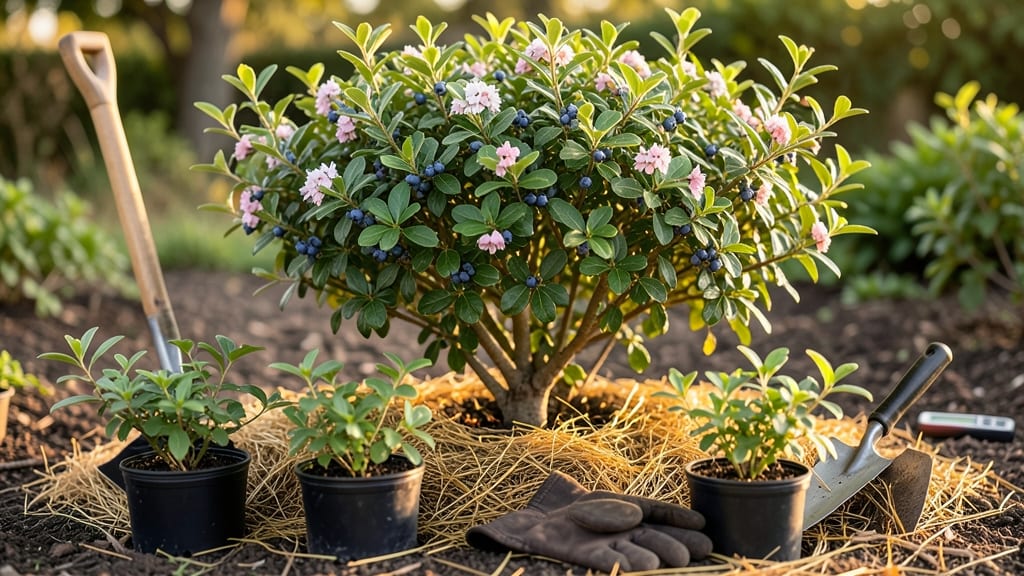
Planting a blueberry bush 🫐 in Georgia at the wrong time could mean waiting years for sweet berries—or worse, losing your investment to frost. The key isn’t just picking a month; it’s understanding how Georgia’s 7a-8b zones and soil quirks (like clay-heavy Piedmont dirt) change the rules for success.
Most gardeners assume spring is the only window, but fall planting actually gives your blueberry bush a head start on root growth before winter.
I’ll show you exactly when to dig in—whether you’re in coastal Savannah or the Atlanta hills—and how to prep your soil to avoid the #1 mistake Georgia growers make.
You’ll also discover why container planting buys you flexibility in Georgia’s unpredictable frost dates (last hits around March 15 in most areas). Plus, I’ll share the acid-loving secret that makes the difference between a bush that just survives and one that thrives with bountiful harvests by May.
Let’s get your blueberry bush off to the right start—no guesswork, just Georgia-proven tips to turn your yard into a berry patch faster than you think.
Best planting months for Georgia blueberries: frost zones and soil temperature guide
Georgia’s blueberry bushes thrive in the Peach State’s climate—but only if planted at the right time. The USDA frost zones 7a-8b create distinct windows for planting, with soil temperatures between 40°F and 50°F being ideal for root establishment.
Miss these conditions, and you risk transplant shock or frost damage that stunts growth for years.
In North Georgia (zones 7a-7b), the last frost date hovers around March 15, while South Georgia (zones 8a-8b) sees frost risks lingering until February 28. These differences mean your planting timeline should shift 2-3 weeks earlier if you’re in the northern mountains versus the coastal plains.
Here’s the golden rule: Plant blueberry bushes when the soil is workable but hasn’t yet warmed past 50°F. This typically lands in late February to early March for most of Georgia, but fall planting (October-November) is also viable in zones 8a-8b where winters are milder.
The science behind root establishment explains why timing matters so much. Blueberry roots need 4-6 weeks to adapt to their new environment before the heat of summer stresses them.
Planting too early (January or December) risks frost heave, while planting too late (April or later) means roots struggle to establish before the dog days of summer arrive.
For container-grown blueberries, you’ve got more flexibility—plant anytime the soil is workable, but avoid peak heat (June-August). The root ball stays cooler longer, but you’ll still need to water deeply every 2-3 days until roots spread into the surrounding soil.
Pro tip: Use a soil thermometer to check temperatures before planting. Aim for consistent readings between 45°F and 55°F at a 6-inch depth. If your soil runs hotter, wait another week or two—root growth slows dramatically above 60°F.
Don’t overlook microclimates in your area. A north-facing slope might stay cooler longer than your flat yard, while a south-facing bed could warm up 2-3 weeks earlier. Observe where winter greens thrive—those spots are ideal for blueberries too.
If you’re in zone 8b (South Georgia), consider fall planting as your best bet. The cooler temperatures and higher humidity create perfect conditions for root growth, and bushes often fruit earlier the following year.
Just be ready to protect young plants with row covers if a hard freeze (28°F or below) threatens.
Remember: Blueberries are perennial, so getting the timing right now means decades of harvests. Take your time with soil prep, monitor those soil temps, and don’t rush the planting process. Your future blueberry pies will thank you!
Soil acidification secrets: how to prepare Georgia clay and sandy loam for blueberries
Georgia’s native soils—Ultisols in the Piedmont and Entisols in coastal regions—pose unique challenges for acid-loving blueberries. While clay soils retain moisture too well and sandy loams drain too quickly, both need pH adjustment to thrive.
Without proper prep, your bushes may struggle to absorb nutrients, leading to stunted growth or poor fruit production.
Blueberries demand a pH range of 4.5–5.5, but most Georgia soils start neutral (pH 6.5–7.5). The secret lies in organic amendments like pine bark fines and elemental sulfur, which gradually lower pH while improving soil structure. Unlike synthetic amendments, these work slowly—perfect for long-term garden health.
For clay-heavy soils, focus on drainage improvement first. Mix in 3–4 inches of composted pine fines and sand (50/50 ratio) into the top 12 inches of soil. This creates air pockets while lowering pH over time.
In sandy loams, blend in peat moss to retain moisture and add sulfur granules (1/4 cup per bush) to acidify.
🌱 Georgia Soil Prep Checklist for Blueberries
Timing matters for amendments too. Fall prep (September–October) gives soil microbes months to break down organic matter before planting. If prepping in spring, apply amendments 8–12 weeks before transplanting to avoid root burn. Sulfur works fastest in warm, moist soils, so water amendments deeply after applying.
Long-term maintenance is easier than you think. Annual mulching with pine needles or sawdust (untreated) keeps pH stable. Avoid lime or wood ash—they raise pH and ruin your hard work. Instead, use cottonseed meal (1/2 cup per bush in spring) for a gentle nitrogen boost that won’t disrupt acidity.
Georgia’s humid climate speeds up nutrient leaching, so monitor soil pH yearly with a simple test kit. If pH creeps above 5.5, reapply sulfur in early spring. With the right prep, your blueberries will thrive in Georgia’s clay or sandy soils, producing sweet fruit for decades.