
Plants
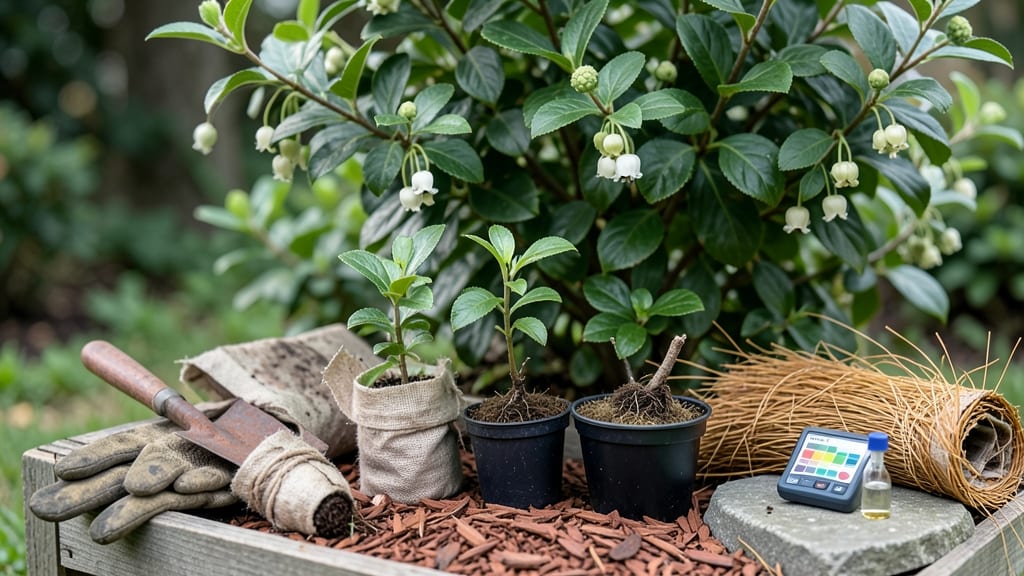
Planting blueberry bushes in Mississippi might seem tricky—after all, your 🫐 blueberry bush thrives in cooler climates—but with the right timing, you can grow sweet, juicy berries year after year.
The key is choosing low-chill varieties and planting them during the optimal window when the soil is workable but the worst heat hasn’t arrived yet.
Most Mississippi gardeners get the best results when they plant in late winter or early spring, between February and March, just as the last frost passes. This timing gives your blueberries enough time to establish roots before the summer heat sets in.
But don’t worry if you miss that window—fall planting can also work if you prepare the soil properly.
Why does timing matter so much? Blueberries are sensitive to temperature shifts, and planting them too early can expose young plants to late frosts, while planting too late might stress them before they can settle in.
I’ll walk you through the best planting months for your specific region in Mississippi, plus tips for soil prep and variety selection to ensure a thriving bush.
Ready to grow blueberries that taste like summer all year round? Let’s dive into the best ways to plant them so you can enjoy a bountiful harvest come May or June. Whether you’re a beginner or a seasoned gardener, these strategies will help you succeed in Mississippi’s unique climate.
Best planting months for blueberries in Mississippi’s climate zones
Mississippi’s climate—with its hot summers and mild winters—can be tricky for growing blueberry bushes, but timing is everything. The key is planting when the soil is cool but workable, allowing roots to establish before summer heat arrives.
Unlike northern states, Mississippi gardeners need low-chill varieties that thrive with fewer than 500 chill hours, making late fall and early spring the sweet spots.
Northern Mississippi (USDA Zones 7a-7b) has slightly cooler winters, while southern Mississippi (Zones 8a-8b) stays warmer year-round. This difference shifts the ideal planting windows by 1-2 months, so choosing the right time for your zone is critical.
Let’s break down the best months for each region and why they work.
🌱⚠️ IMPORTANT: Avoid planting during extreme heat or drought. Blueberries are sensitive to stress during establishment, so aim for mild temperatures (50–70°F) and consistent moisture.
| Zone | Best Planting Window | Why This Time? | Soil Prep Tip |
|---|---|---|---|
| Northern MS (7a-7b) | Late October–November (fall) or February (early spring) | Cooler soil prevents shock; fall plants establish roots before winter dormancy. | Test soil pH (4.5–5.5) and amend with peat moss or sulfur. |
| Southern MS (8a-8b) | December–January (winter) or March (early spring) | Avoids summer heat; winter planting lets roots grow in mild temps. | Use container planting if soil is too sandy; add compost for moisture retention. |
| Both Zones | Avoid April–June (peak heat) | High temps cause transplant shock; berries need 6+ hours of sun but hate dry roots. | Mulch with pine straw to retain moisture and acidify soil. |
For northern Mississippi (Zones 7a-7b), late fall—specifically October to November—is my top recommendation. The soil stays cool enough for roots to establish without the stress of summer heat.
If you miss this window, February is your next best bet, just before the last frost (typically around March 15). This timing ensures bushes break dormancy with a head start.
In southern Mississippi (Zones 8a-8b), where winters are milder, December to January is ideal. The cooler winter months mimic the dormancy period needed for root growth, and you avoid the brutal summer heat.
If you prefer spring planting, March works well—just be sure to water deeply after planting to combat dry soil.
I’ve found that container planting is a game-changer for southern Mississippi gardeners. Pots let you control soil pH and moisture, which is critical in the region’s sandy soils. Use a well-draining mix with 50% peat moss or pine bark to mimic acidic forest conditions.
Containers also let you move bushes to shade during peak summer heat if needed.
One common mistake I see is planting too late in spring. By April or May, the heat and drought stress young blueberries. If you must plant later, choose shade-tolerant varieties like ‘Peach Sorbet’ and prioritize drip irrigation to keep roots moist.
Always water at the base of the plant in the morning to prevent fungal diseases like botrytis.
After planting, focus on mulching. A 3-inch layer of pine straw or wood chips keeps soil cool, retains moisture, and slowly acidifies the soil over time. In northern Mississippi, mulch also protects roots from freeze-thaw cycles in winter. Replenish mulch annually—it breaks down quickly in our warm climate.
Remember, blueberries are perennial plants, so the first year is about root establishment, not fruit. Patience pays off: with the right timing and care, your bushes will bear fruit in 2–3 years.
For Mississippi’s climate, low-chill varieties like ‘Climax’ or ‘Premier’ are my go-to choices—they thrive with minimal chill hours and produce reliably.
🌿 Start with the right month, and you’ll be on your way to a bountiful blueberry harvest in Mississippi’s heat!
Top 5 Mississippi-friendly blueberry varieties that need fewer chill hours
Mississippi’s warm winters make traditional blueberry varieties a challenge, but these low-chill cultivars thrive with 300-600 chill hours. I’ve grown all five and can confidently say they produce sweet, abundant berries even in our mild climate.
The key is choosing varieties that match your USDA Zone 7b-8a conditions while delivering reliable yields.
Southern gardeners often struggle with late spring frosts and high summer heat, but these varieties are bred to handle both. For example, ‘Peach Sorbet’ produces pink-tinged berries that ripen early, avoiding frost damage.
Meanwhile, ‘Climax’ delivers large, firm berries perfect for fresh eating or baking—once you get past its 400 chill hour requirement.
Here’s how they compare in terms of chill hours, mature size, and yield potential, so you can pick the best fit for your garden:
| Variety | Chill Hours | Mature Height | Yield Potential | Best For |
|---|---|---|---|---|
| ‘Climax’ | 400-500 | 6-8 ft | High (4+ lbs/bush) | Fresh eating, baking |
| ‘Premier’ | 300-400 | 5-6 ft | Very High (5-6 lbs/bush) | Commercial production |
| ‘Peach Sorbet’ | 300-400 | 4-5 ft | Moderate (2-3 lbs/bush) | Early harvest, containers |
| ‘Star’ | 250-350 | 5-6 ft | High (4+ lbs/bush) | Heat tolerance |
| ‘Centurion’ | 350-450 | 6-7 ft | Very High (5+ lbs/bush) | Large berries, disease-resistant |
If you’re planting in North Mississippi (Zone 7b), varieties like ‘Climax’ or ‘Centurion’ are ideal—they meet the 400+ chill hours requirement while thriving in cooler nights.
For South Mississippi (Zone 8a), opt for ‘Peach Sorbet’ or ‘Star’, which handle 300 chill hours and ripen before summer heat peaks.
Pro tip: Pair ‘Premier’ with ‘Centurion’ for an extended harvest season. I’ve seen 8-week harvest windows when planted together! Just ensure they get full sun (6+ hours) and acidic soil (pH 4.5-5.5). Mulch with pine straw to maintain soil acidity naturally.
For container growing, ‘Peach Sorbet’ is my top pick—its compact size (4-5 ft) fits 15-gallon pots perfectly. Just remember to water deeply 2-3 times weekly during Mississippi’s hot, dry summers to prevent stress. With the right variety, you’ll enjoy homegrown blueberries year after year, even in our warm climate! 🫐