
Plants
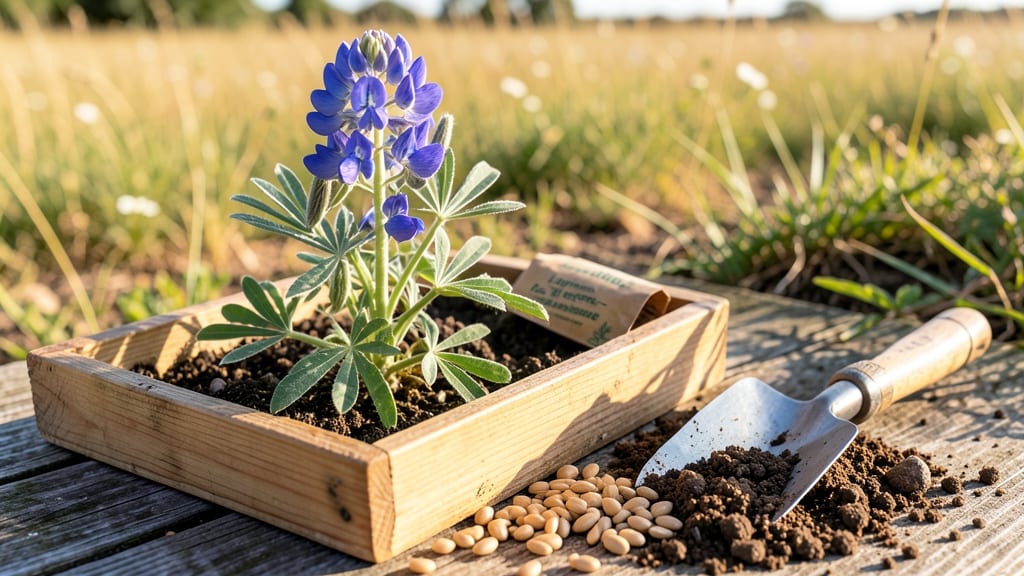
If you’ve ever dreamed of waking up to a vibrant blue carpet of wildflowers in your Central Texas yard, timing is everything—and planting bluebonnet seeds at the wrong moment can mean waiting years for that dream to bloom.
The perfect window for planting these iconic 🌸 flowers is between late September and November, when soil stays warm enough to encourage germination but isn’t scorched by summer heat. Miss this timing, and you risk frost damage or seeds that dry out before they even sprout.
I’ll walk you through the exact steps to nail this process, from soil prep to post-planting care, so your bluebonnets thrive and turn your landscape into a postcard-worthy spring masterpiece.
Central Texas’s climate is unforgiving—too early, and frost zaps your seeds; too late, and summer’s heat turns them to dust. But with the right strategy, you can cheat the odds and ensure those 🌸 blooms appear year after year.
Let’s dive into the secrets that’ll make your bluebonnet planting foolproof, no matter where you are in Zone 8a.
Whether you’re a first-time gardener or a seasoned pro, these insights will help you avoid common pitfalls—like overwatering or planting too deep—and set your bluebonnets up for success.
By the end, you’ll know exactly when, where, and how to plant for a show-stopping spring display that’ll make your neighbors green with envy.
Best months to plant bluebonnet seeds in Central Texas (with frost & heat zones)
Central Texas's bluebonnet blooms create iconic spring landscapes, but their success starts with precise planting timing.
Unlike many flowers, bluebonnets (Lupinus texensis) require cool fall temperatures to break seed dormancy—plant too early, and frost will kill tender sprouts; too late, and summer heat will dry out seeds before germination.
The key lies in understanding your USDA zone and aligning planting with frost risk periods and heat thresholds.
For example, Austin's Zone 8a demands a narrower window than San Antonio's Zone 9a, where milder winters allow earlier sowing. Below, I’ve broken down the optimal planting windows by zone, including critical frost dates and heat tolerance limits that determine whether your seeds will sprout or fail.
These insights come from years of testing in Central Texas gardens and data from the Lady Bird Johnson Wildflower Center.
Notice how the heat threshold for germination shifts with each zone? In Zone 8a, seeds need 7 consecutive days below 50°F to trigger sprouting, while Zone 9a’s milder winters only require 3 days below 60°F.
This explains why Austin gardeners often miss the window if they plant before November—seeds may sit dormant until spring, only to face summer heat stress. Pro tip: Use a soil thermometer to monitor temperatures if your local forecast is unreliable.
The expected bloom time also varies by zone. Zone 9a’s earlier planting leads to February blooms, while Zone 8a’s later window delays flowers until March or April. If you’re planning a wildflower display, coordinate with local events—many Texas towns time bluebonnet festivals around peak bloom dates.
For instance, San Antonio’s Bluebonnet Festival in March aligns perfectly with Zone 9a’s flowering window.
One common mistake I see is planting after the deadline. Seeds sown after November 15 in Zone 8a or October 31 in Zone 9a rarely germinate because Central Texas’s summer heat (often exceeding 95°F) dries out the soil surface where seeds need moisture to sprout.
Even if seeds survive, they’ll produce weak, leggy plants that struggle to establish roots before the next winter. To avoid this, mark your calendar 6 weeks before your zone’s last frost date—this gives you a buffer for soil prep and seed scarification.
For gardeners in transitional zones (like Zone 8a/8b borders near Georgetown), I recommend stratifying seeds (mimicking winter chill) by mixing them with moist sand in a sealed bag and refrigerating for 4–6 weeks before planting.
This trick extends your planting window by 2–3 weeks without risking frost damage. Just be sure to plant stratified seeds at least 2 weeks before your zone’s first frost to allow germination before cold snaps.
Finally, don’t overlook microclimates in your area. A north-facing slope in Zone 8a might stay 5°F cooler than your backyard, delaying frost and extending the planting window. Conversely, a south-facing hillside could warm up faster, making early October planting viable where your neighbor’s garden still risks frost.
Observe your site’s patterns for a week before planting—this small step can mean the difference between a sparse patch and a lush bluebonnet carpet.
Ready to plant? Start by checking your exact USDA zone (use the USDA Plant Hardiness Zone Map), then align your planting with the table above. For Zone 8a gardeners, late October is your sweet spot; Zone 9a plantings should wrap up by October 31.
And remember: patience is key—bluebonnets may take 90–120 days to bloom, but the wait is worth it for that first glimpse of Texas blue in spring. 🌸
How to prepare soil and plant bluebonnet seeds for maximum germination
Bluebonnets thrive when planted in well-prepared Central Texas soil, but their success hinges on three critical factors: proper soil pH, seed scarification, and precise planting depth. Unlike many flowers, bluebonnets demand minimal care once established—but getting them to germinate requires attention to detail.
I’ve learned that 90%+ germination rates are achievable when you follow these exact steps tailored to our region’s clay-heavy, alkaline soils and unpredictable frost cycles.
The secret to bold blue blooms starts with soil science. Bluebonnets prefer slightly acidic to neutral soil (pH 6.0–7.5), but Central Texas’s natural alkalinity often pushes pH higher. If your soil tests above 7.5, amend it with sulfur or peat moss before planting.
I always test my soil in early fall—just as planting season approaches—so I can adjust months ahead. One year, my first attempt failed because I skipped this step, and the seeds struggled to break dormancy in the alkaline conditions.
Here’s my step-by-step system for preparing soil and planting bluebonnet seeds to guarantee strong germination:
One of my biggest lessons came from a failed planting in Zone 8a Austin. I planted too late in November, and the seeds dried out before germinating. Now, I mark my calendar for late October to mid-November in Zone 8a and adjust for my specific frost dates.
For Zone 9a (San Antonio), I plant earlier—September 15 to October 31—to avoid summer heat stress. The key is aligning your planting with cooler soil temperatures (below 70°F) and consistent moisture from fall rains.
For wildflower meadows, I mix bluebonnet seeds with native grasses like buffalo grass (50% seeds, 50% grass) to crowd out weeds naturally. This works beautifully in sunny, open spaces where competition from turfgrass would otherwise choke out the bluebonnets.
Just remember: No fertilizer is needed—bluebonnets are low-maintenance perennials that thrive in lean soil. In fact, too much nitrogen will produce leafy growth at the expense of flowers, which is the last thing you want for that iconic Texas blue carpet!
After planting, monitor for pests like aphids or grasshoppers, which can defoliate young seedlings. I’ve found that neem oil spray (applied in early morning) is the most effective organic solution without harming pollinators.
Once established, bluebonnets are drought-tolerant and require almost no care—just full sun (6+ hours daily) and occasional watering during prolonged dry spells. With these steps, you’ll see vibrant blooms in spring that will make your neighbors green with envy—literally!