
Plants
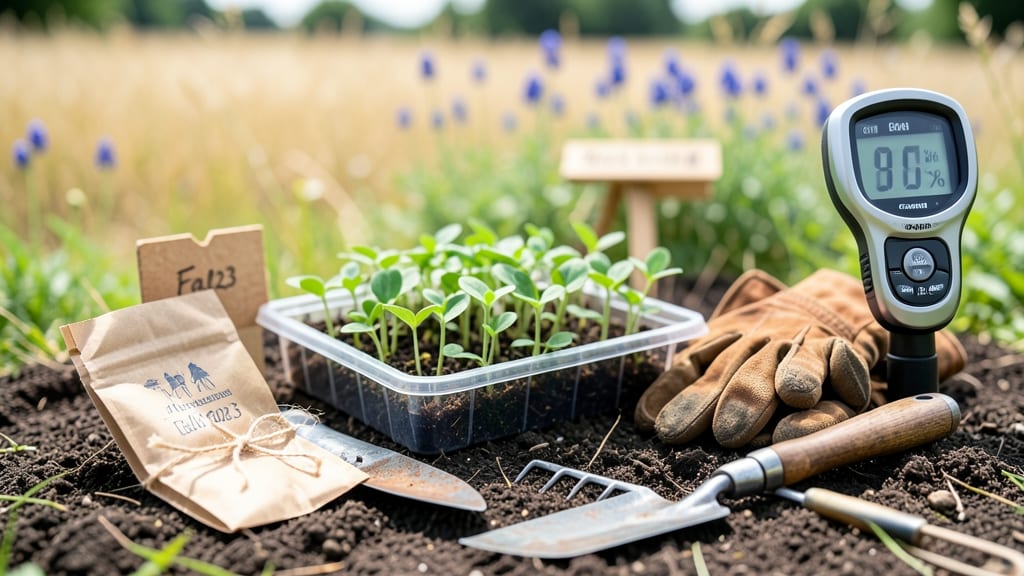
Planting bluebonnet seeds at the wrong time in North Texas can mean watching your dreams of vibrant 🌸 blue carpets vanish before they even sprout. The secret to success lies in timing—specifically, a narrow window between late September and early November when conditions are just right for these hardy wildflowers.
If you've ever wondered why some gardeners get stunning bluebonnet displays while others struggle, the answer starts with understanding your USDA 7b-8a zone. This region's unpredictable winters demand precision: seeds need 6-8 weeks to establish roots before the first frost hits in mid-December.
Miss that window, and you risk weak germination or frost damage.
I've learned the hard way that proper timing isn't just about dates—it's about reading your soil and climate. The right preparation transforms fall planting into a spring spectacle.
Let me show you exactly how to time your planting for maximum blooms, including soil prep tricks and post-planting care that works in North Texas' unique conditions.
Whether you're a first-time gardener or a seasoned pro, these fall planting secrets will help you grow bluebonnets that thrive through winter and burst into color next spring. Let's get those seeds in the ground at the perfect moment.
Optimal bluebonnet seed planting window in North Texas: month-by-month breakdown
North Texas gardeners face a critical 6-8 week window between late September and early November to plant bluebonnet seeds. This timing ensures seeds establish roots before the first frost hits around mid-December in USDA zones 7b-8a.
Missing this window often means weak germination or frost damage, leaving you with sparse blooms instead of vibrant blue carpets.
The key is understanding how North Texas' unpredictable winters affect seed timing. While the ideal window is late September to early November, early frosts can push planting to early October, while mild winters might extend it to mid-November.
I've learned to adjust based on local weather patterns rather than sticking to rigid dates.
Here's the month-by-month breakdown that works for North Texas gardeners:
| Month | USDA Zones 7a-8b | Ideal Planting Dates | Soil Temp | Frost Risk |
|---|---|---|---|---|
| Late September | Best for early planting | Sept 20-30 | 60-70°F | Low (10% chance) |
| October | Prime window | Oct 1-31 | 50-65°F | Moderate (30% chance) |
| Early November | Last chance | Nov 1-15 | 45-55°F | High (60% chance) |
| Mid-November | Risky unless mild | Nov 16-30 | 40-50°F | Very High (85% chance) |
🌱 Planting Tip: Always check local frost dates before November planting!
October remains the sweet spot for bluebonnet planting in North Texas. During this month, soil temperatures average 50-65°F, which is ideal for seed germination. The 6-8 week window before the first frost gives seeds enough time to establish roots while avoiding the shock of sudden cold.
For gardeners in USDA zone 7a, I recommend starting no later than mid-October. The cooler temperatures help prevent premature sprouting while still allowing roots to develop. In zone 8b, you have slightly more flexibility, but don't push past early November unless you're prepared for potential frost damage.
One mistake I see often is planting too early in late August or September. While the weather might seem perfect, bluebonnet seeds need cold stratification to break dormancy. Planting too soon can lead to seeds sprouting prematurely, only to be killed by summer heat before winter arrives.
To adjust for early/late winters, monitor your local weather patterns. If your area experiences an early frost (before November), shift planting to early October. Conversely, if winters are typically mild, you might extend planting to mid-November with proper soil preparation and mulching.
Remember that bluebonnets are native Texas wildflowers adapted to survive our climate. With the right timing and soil preparation, they'll reward you with vibrant spring blooms that transform roadside medians and gardens alike.
The secret lies in that perfect balance between giving seeds enough time to root while avoiding winter's harshest conditions.
For maximum success, combine proper timing with well-draining soil and minimal disturbance. Bluebonnets thrive when left undisturbed, so avoid over-tilling or heavy fertilization. With these timing secrets, you'll be well on your way to creating your own bluebonnet paradise in North Texas.
North Texas-specific bluebonnet seed varieties and their planting preferences
North Texas gardeners have two main bluebonnet options: the classic Lupinus texensis (Texas bluebonnet) and Lupinus havardii (Big Bend bluebonnet). Each variety thrives in our region but has distinct preferences that affect your planting timing.
I've planted both and can tell you Lupinus texensis is the crowd-pleaser for most landscapes, while Lupinus havardii offers later blooms with a slightly taller stature.
The key difference? Lupinus texensis germinates best in 60-70°F soil and handles our USDA 7b-8a winters with ease, while Lupinus havardii needs slightly cooler soil (55-65°F) and benefits from a thicker mulch layer in clay-heavy soils.
This affects when you should plant—Lupinus texensis can handle late October sowings, while Lupinus havardii should go in by mid-October.
Soil type plays a huge role in timing adjustments. In clay-heavy North Texas soils, plant 2-3 weeks earlier than loam-based areas because clay retains moisture longer, delaying ideal germination temps. I've seen Lupinus texensis seeds rot in clay if planted too late—always test your soil's drainage first!
When to Plant Bluebonnet Seeds in North Texas
Pros of Fall Planting
- ✅ Natural stratification improves germination
- ✅ 6-8 week root establishment before frost
- ✅ Less competition from weeds in spring
- ✅ Drought-resistant plants by spring
Cons of Fall Planting
- ❌ Late planting risks frost damage
- ❌ Clay soils can cause rot if too wet
- ❌ Poor drainage delays germination
- ❌ Birds may eat freshly sown seeds
Variety-Specific Planting Depth
| Variety | Depth | Best Soil Type |
|---|---|---|
| Lupinus texensis | ¼ inch | Loam or sandy loam |
| Lupinus havardii | ⅛ inch | Well-drained clay |
For Lupinus texensis, aim for late September to early October planting in loam soils—this gives seeds time to germinate before our first frost in mid-December.
In clay soils, push planting to mid-September to avoid moisture-related rot. The shallow planting depth (¼ inch max) is critical—these seeds need light to germinate!
If you're growing Lupinus havardii, plant mid-to-late September regardless of soil type. This variety's later bloom time (April-May vs. March for texensis) makes it ideal for extended-season displays, but it demands perfect drainage.
I've had best success in raised beds with sandy amendments in clay-heavy areas.
Remember: Bluebonnets are drought-tolerant once established, but consistent moisture during germination is key. Water lightly after planting, then let nature take over. With the right variety and timing, you'll have vibrant blue carpets by spring—no frost required! 🌸