
Plants
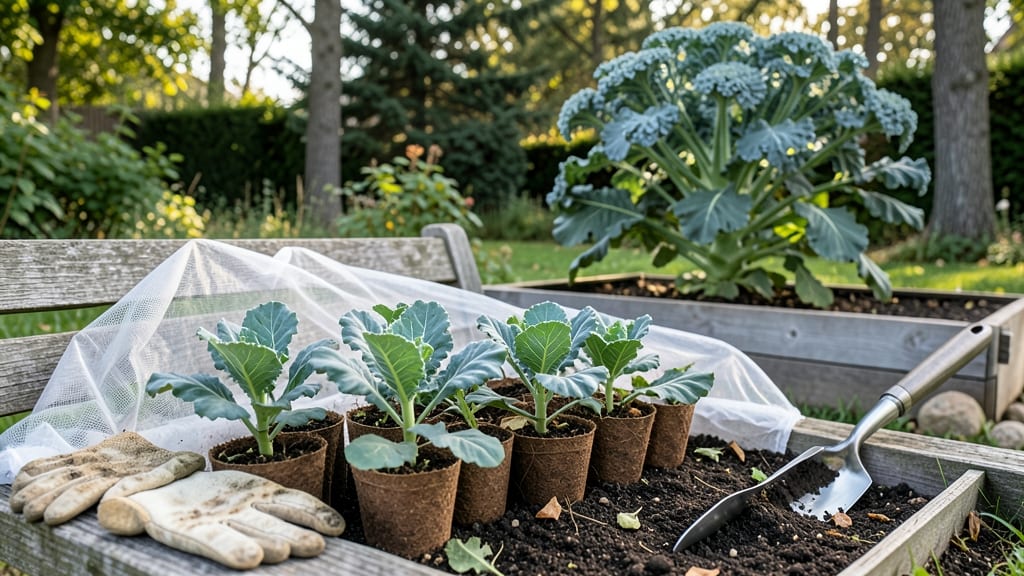
When to plant brassicas in Wisconsin is the key to avoiding bolted greens and maximizing your harvest, because those frost dates can shift faster than a lake breeze in May. Whether you're growing cabbage, kale, or broccoli, planting too early risks frost damage, while waiting too long cuts your harvest short in the state's short growing season.
I've learned the hard way that Wisconsin's USDA Zones 3-5 demand precision: start seeds indoors 6-8 weeks before your last expected frost (usually late April to early May in most regions), then transplant when soil warms to 45°F.
But here's the game-changer—fall planting works too, with varieties like 'Winterbor' kale thriving through first frosts in October.
What you'll discover is how to stretch your growing season by 3-4 months with smart succession planting and cold-hardy varieties. We'll cover exactly when to plant in northern vs. southern Wisconsin, plus soil prep tricks that actually work in our clay-heavy soils.
Ready to master Wisconsin brassica timing? Let's break down the exact planting windows, frost-proof varieties, and pro tips that will have you harvesting through late fall—no more wasted seedlings or stunted plants.
Wisconsin’s brassica planting timeline by last-frost probability zones
Wisconsin’s USDA zones 3-5 create unique challenges for growing brassicas like cabbage, broccoli, and kale. The state’s last-frost dates vary dramatically—from May 15 in southern Wisconsin to June 1 in the north—meaning your planting strategy must adapt.
Understanding these probability zones helps you avoid bolted greens or stunted growth while maximizing harvests.
Brassicas thrive in cool weather but struggle with heat stress above 80°F. This makes spring and fall planting your best bets, with succession planting extending harvests. Northern Wisconsin’s shorter season requires early varieties or row covers, while southern regions can attempt summer crops with shade cloth.
Let’s break down the ideal windows by zone.
🌱 Key Tip: Always check your local last-frost probability using the Midwest Regional Climate Center or your county extension office. These dates shift yearly!
| Zone & Location | Last Frost Date (Avg) | Spring Planting Window | Fall Planting Window | Best Brassicas |
|---|---|---|---|---|
| Northern WI (Zones 3-4) Example: Superior, Wausau |
May 25–June 10 | April 15–May 10 (under cover) May 15–June 1 (direct) |
July 15–August 15 (transplant) | Kale, cabbage, early broccoli Varieties: 'Winterbor' kale, 'Quickstart' broccoli |
| Central WI (Zone 4-5) Example: Madison, Waukesha |
May 1–May 15 | April 1–April 30 (under cover) April 15–May 10 (direct) |
July 1–August 1 (transplant) Sept 1–15 (direct) |
Brussels sprouts, collards, late cabbage Varieties: 'Ruby Ball' cabbage, 'Long Island' collards |
| Southern WI (Zone 5) Example: Milwaukee, Janesville |
April 25–May 10 | March 15–April 15 (under cover) April 1–April 30 (direct) |
June 15–July 15 (transplant) Sept 1–Oct 1 (direct) |
Heat-tolerant varieties: broccoli, cauliflower Varieties: 'De Cicco' broccoli, 'Snowball' cauliflower |
| All Zones: Summer Planting (Risky) | N/A | June 15–July 1 (with shade cloth) | N/A | Leafy greens only (kale, spinach) Use: 30% shade cloth |
For spring planting, start indoor seeds 6-8 weeks before your last frost date. Harden off seedlings for 10-14 days before transplanting outdoors. In northern Wisconsin, use row covers or cold frames to extend the season by 3-4 weeks.
Southern gardeners can push limits with succession plantings every 2 weeks from April through June.
Fall planting is often overlooked but yields sweeter brassicas due to cooler temps. Transplant 6-8 weeks before first frost (typically late July to early August in northern WI). Choose cold-hardy varieties like 'Winterbor' kale or 'January King' cabbage, which survive light frosts and improve flavor after frost.
In southern Wisconsin, you can attempt a summer crop of leafy brassicas like kale or Swiss chard. Use 30% shade cloth to protect seedlings from heat stress and water deeply twice daily during heatwaves. Avoid head-forming varieties (cabbage, broccoli) in summer—they’ll bolt quickly in Wisconsin’s humidity.
🌿 Pro Move: Test your soil’s pH (6.0-7.0 ideal) before planting. Brassicas love nitrogen-rich soil—amend with compost or aged manure 2 weeks before transplanting. Add a mulch layer to retain moisture and regulate soil temperature.
Monitor weather forecasts closely in late May, when Wisconsin’s late frosts are most likely. Keep row covers handy to protect young plants. If a hard freeze is predicted, cover plants with burlap or cardboard and water the soil thoroughly before sunset to insulate roots.
With these strategies, you can enjoy homegrown brassicas from spring to fall—even in Wisconsin’s unpredictable climate!
Remember: Bruss
Cold-hardy brassica varieties that thrive in Wisconsin’s short season
When selecting brassicas for Wisconsin gardens, cold tolerance and fast maturity are non-negotiable. I’ve grown these top 8 frost-resistant varieties through our USDA Zones 3-5, and they consistently outperform others in our short season.
The key is choosing varieties that can handle 20°F temperatures and still deliver harvests before our first hard frost in October.
For northern Wisconsin, where frost dates arrive earlier, prioritize early-maturing varieties like 'Quick Start' broccoli (58 days) or 'Winterbor' kale, which sweeten after frost.
In southern regions, you’ve got more flexibility to grow slower varieties like 'Golden Acre' cabbage, but even there, a late frost can ruin your crop if you’re not prepared.
Here’s how these varieties stack up for cold resistance, maturity time, and Wisconsin performance, ranked from most to least hardy:
For northern Wisconsin gardeners, focus on Winterbor kale and Quick Start broccoli—these handle our late springs and early falls like champs. I’ve had Winterbor kale survive 15°F nights