
Plants
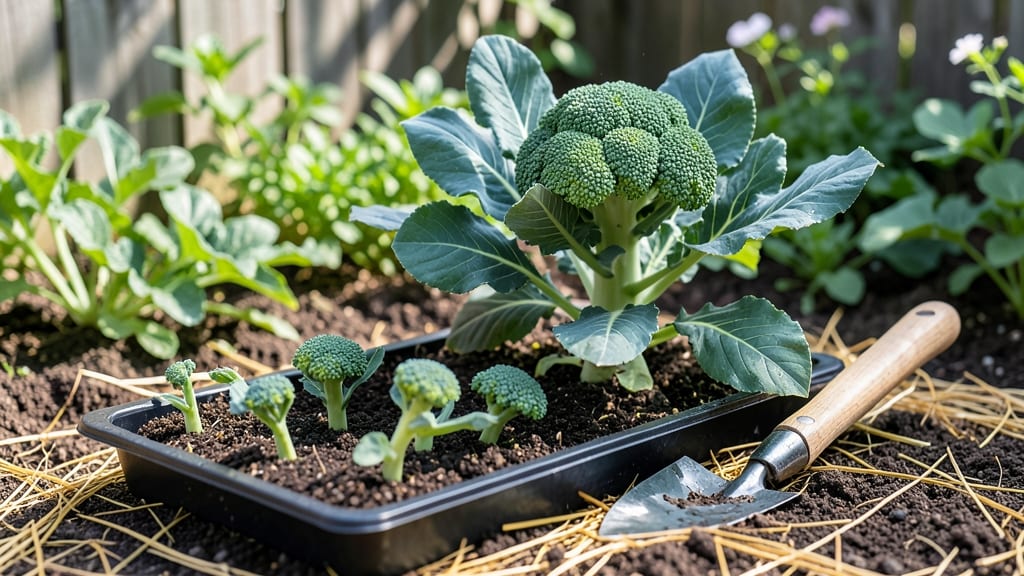
Planting broccoli 🥦 in Arizona isn’t just about timing—it’s about outsmarting the heat before your plants bolt and turn bitter. Skip the guesswork by learning the exact windows that keep your broccoli thriving year-round, even in Zone 9b’s extreme swings from monsoon downpours to triple-digit summers.
Most gardeners assume Arizona’s frost-free winters mean broccoli can grow anytime, but that’s a recipe for disappointment. The secret lies in planting between October and March, when cooler temps slow bolting and maximize harvests from December to May.
I’ll show you how to adjust for your microclimate—whether you’re in Phoenix’s Low Desert or the cooler High Desert—so you never waste seeds on a failed crop.
Ready to grow broccoli that’s crisp, flavorful, and abundant—not stringy or bolted? Let’s break down the heat-zone hack that works for Arizona’s unpredictable weather, plus the best varieties that actually thrive here. No more second-guessing—just a foolproof plan for your garden.
From choosing shade-tolerant varieties to mastering watering schedules that prevent stress, you’ll have everything you need to turn your backyard into a year-round broccoli powerhouse. Let’s get started.
Arizona broccoli planting zones by heat tolerance level
Arizona’s three distinct microclimates create wildly different growing conditions for broccoli. The Low Desert (Phoenix, Tucson) bakes at 100°F+ in summer, while the High Desert (Flagstaff, Prescott) can drop below 32°F in winter.
Mid-Elevation zones like Sedona fall somewhere in between. Understanding these zones is key to avoiding heat-induced bolting—where your broccoli turns bitter and flowers prematurely.
Broccoli thrives in cool temperatures (50-75°F) and bolts when exposed to consistent temps above 80°F. In Arizona, this means planting in fall or winter is non-negotiable.
The Low Desert has the tightest window—just 4 months of safe growing—while the High Desert can extend your season by 2 months on either side. Let’s break it down by zone so you can plant with confidence.
Here’s the heat-zone risk chart for Arizona broccoli planting, showing when to plant based on your elevation and how to avoid bolting:
In the Low Desert, broccoli planted after mid-October risks bolting by February when daytime temps creep toward 85°F. My pro tip: Use shade cloth (30-50%) to buy 2-3 extra weeks of safe growth.
For example, if you plant on October 20, cover seedlings with shade cloth by mid-February to extend harvest until April.
The Mid-Elevation zone gives you a 2-month advantage—planting as early as September 1 avoids the worst summer heat. This is where successive planting works best: Sow a second batch in November for a spring harvest before temperatures rise again.
Just watch for frost warnings after December 15, which can damage young plants.
If you’re in the High Desert, you’re in luck—your cooler nights and shorter growing season mean broccoli can thrive year-round with minimal risk. Plant early August for a fall harvest or late September for a winter/spring harvest.
The key trick here is to mulch heavily (3-4 inches of straw) to protect roots from freeze-thaw cycles that can stress plants.
For all zones, soil temperature is just as critical as air temperature. Use a soil thermometer to confirm ideal planting temps (50-70°F). In the Low Desert, wait until soil cools below 80°F at night—usually late September.
In the High Desert, you can start as early as July if soil temps stay below 65°F. Ignore this, and you’ll end up with bitter, woody stems instead of tender florets.
One common mistake Arizona gardeners make is planting broccoli in spring for a summer harvest. By April, even the High Desert hits 90°F+, triggering bolting within 3-4 weeks.
Instead, think of broccoli as a winter crop—your best harvests will come from plants that mature in December-February, when temps are perfect for head formation.
To maximize your yield, pair your planting schedule with succession planting. In the Low Desert, sow every 2 weeks from September to November for a staggered harvest. In cooler zones, stretch this to 3-4 weeks apart.
This ensures you’re always eating fresh broccoli instead of dealing with a glut of mature heads all at once.
Remember: brocc
How to time broccoli planting for Arizona’s unpredictable weather patterns
Arizona’s monsoon season and sudden temperature swings make broccoli planting a high-stakes game of timing. Unlike calendar-based planting guides, success here depends on soil temperature and monsoon cues—not just dates.
I’ve learned the hard way that planting too early (before 60°F soil temps) stunts growth, while waiting too long risks summer bolting. The key? Adjust your schedule based on when the monsoons arrive and use shade cloth as a preemptive bolt-blocker.
First, ditch the idea of planting broccoli in Arizona’s peak summer months (June–August). Instead, focus on late summer to early spring—specifically September through March. But even within that window, your exact planting date should shift based on your microclimate.
For example, Phoenix gardeners can start seeds in late August for a fall harvest, while high-desert growers should wait until mid-September to avoid early frosts. The goal? Keep your plants maturing during cooler months when temps stay below 75°F.
🌱 STYLED-LIST: Arizona Broccoli Planting Checklist by Weather Cue
- 🌡️ Soil Temp Check: Wait until soil reaches 60°F+ (use a soil thermometer 2" deep).
- 🌧️ Monsoon Timing: Plant 4–6 weeks after monsoons end (typically mid-September in Phoenix).
- ☀️ Shade Cloth Prep: Install 30–50% shade cloth if planting in late spring (March–April) to delay bolting.
- ❄️ Frost Watch: High-desert zones? Plant after October 15 to avoid light frosts that can damage young seedlings.
- 📅 Backup Plan: Use container gardening for flexibility—move pots to shade if temps spike above 80°F.
Here’s my pro move for Arizona gardeners: Use shade cloth as a bolt-prevention tool. If you’re planting in late winter or early spring (March–April), drape 30–50% shade cloth over your broccoli beds. This trick buys you 2–3 extra weeks of growing time before summer heat forces bolting.
I’ve seen broccoli heads stay compact for 60+ days under shade cloth in 100°F+ temps—a game-changer for extending harvests.
Don’t rely on calendar dates alone. Instead, track these three critical cues:
- Soil temperature (must be 60°F+ at planting).
- Monsoon end date (plant 4–6 weeks after rains taper off).
- Forecasted heat waves (avoid planting if 90°F+ is expected within 3 weeks).
For example, if monsoons end September 1 in Tucson, aim to plant by September 15. If they drag into late August, wait until early October.
For container growers, flexibility is your superpower. Start seeds indoors in July (under grow lights), then transplant outdoors in September once nights stay below 70°F. This lets you beat the heat while still harvesting in winter.
Pro tip: Use black plastic mulch to warm soil faster in fall plantings—it can shave 1–2 weeks off your growing timeline.
Remember: Bolting is your worst enemy in Arizona. Broccoli plants sense heat stress and flower prematurely, turning your $5 seed packet into bitter, inedible stalks.
By mastering these weather-based cues and using shade cloth strategically, you’ll avoid that fate and enjoy crisp, flavorful heads from December through April. Now grab your soil thermometer and let’s get planting! 🥦