
Plants
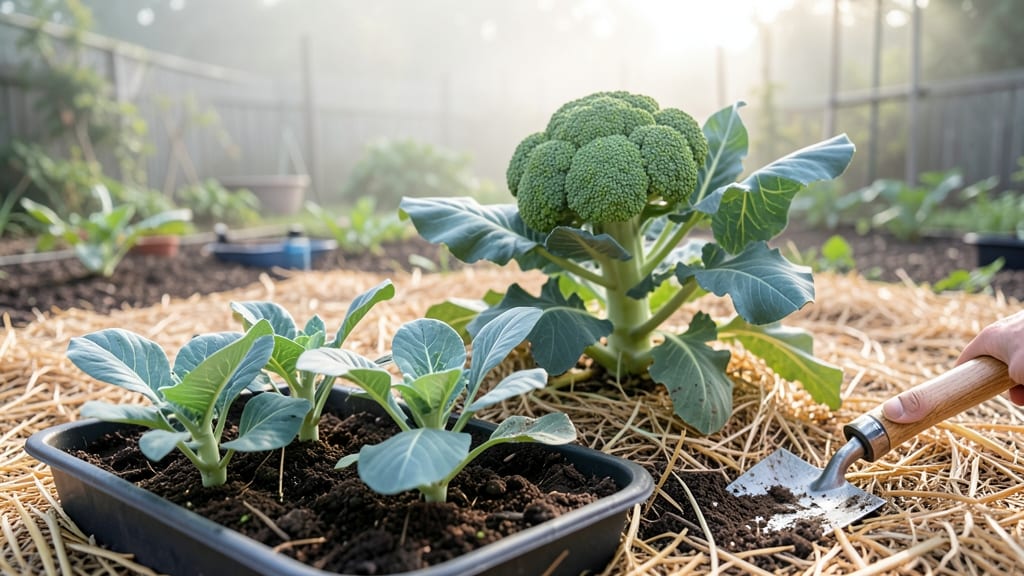
Planting broccoli 🥦 in New Jersey at the wrong time means watching your hard work melt away under frost—or bolt into bitter flowers before harvest. The key to bold, homegrown heads lies in those 4-6 week windows before the last frost, but timing isn’t one-size-fits-all in NJ’s shifting microclimates.
Whether you’re in coastal Cape May or inland Newark, USDA Zones 6a-7b demand precision: start seeds indoors by March 1st for spring plantings, or sow directly in late August for fall harvests.
Get this wrong, and you’ll end up with stunted plants or a garden full of cabbage worms by October.
I’ve grown broccoli in NJ for years, and the difference between a thriving harvest and a sad side salad comes down to two things: soil temperature (wait until it’s 45°F+) and frost dates (mark your calendar for April 15th and October 20th).
Ready to avoid the common mistakes that ruin NJ broccoli crops? Let’s break down the exact planting schedule—plus pro tips—to turn your garden into a year-round harvest machine, no matter where you live in the Garden State.
NJ frost dates & best broccoli planting windows by season
New Jersey’s frost dates are the backbone of successful broccoli 🥦 planting—get them wrong, and you’ll either lose seedlings to ice or watch your plants bolt in summer heat.
The average last frost hovers around April 15th in most of NJ, but coastal areas like Cape May can push this back by 2-3 weeks. Meanwhile, inland spots near Newark might see frost linger until April 22nd.
For spring broccoli, this means starting seeds indoors by March 1st in USDA Zone 6b (northern NJ) or March 15th in Zone 7a (southern NJ). Direct-sow outdoors 4-6 weeks before your last frost date—so mid-March to early April for most gardeners.
Here’s the critical timeline you need to know for both spring and fall plantings, tailored to NJ’s microclimates:
| Season | Planting Window | Key Dates (Zone 6b) | Key Dates (Zone 7a) | Microclimate Adjustments |
|---|---|---|---|---|
| Spring | Indoor Start | March 1 - March 15 | March 15 - April 1 | Coastal: Start 1 week later |
| Spring | Outdoor Transplant | April 1 - April 15 | April 15 - April 30 | Inland: Use frost cloth |
| Fall | Direct Sow | August 1 - August 15 | August 15 - September 1 | Coastal: Extend to Sept 10 |
| Fall | Harvest Window | October 1 - November 1 | October 15 - November 15 | Inland: Protect with row covers |
| Critical Notes | Soil Temp | 45°F+ for germination | 45°F+ for germination | Test with thermometer |
Fall broccoli is just as crucial—plant seeds directly in late summer (August-September) for a harvest before the first frost. Aim to get plants in the ground 3 months before your average first frost (October 20th), so late July to early August in northern NJ and early September in southern zones.
Don’t overlook microclimates: Coastal NJ (like Atlantic City) enjoys a 2-3 week longer growing season than inland areas. Use this to your advantage—try a second fall planting in September if your coastal zone allows. Inland gardeners should prioritize heat-tolerant varieties like ‘Calabrese’ and use shade cloth in peak summer.
Pro tip: Monitor local frost alerts via the NJ State Climate Office or apps like Old Farmer’s Almanac. I’ve lost entire broccoli crops to unexpected late frosts—don’t let that happen to you!
Use row covers or cold frames to extend your season by 2-3 weeks in both spring and fall.
For USDA Zone 6b (northern NJ), your last frost might hit as late as May 10th in some years, so time your last spring planting to avoid this risk. Zone 7a gardeners have more flexibility but should still watch for heat waves that can stress broccoli in July.
Remember: Broccoli thrives in cool weather—ideal temps are 60-70°F. If your summer stretches into August with 85°F+ heat, your plants will bolt. Use succession planting every 2 weeks in spring/fall to keep a steady supply without overcrowding.
Top broccoli varieties for NJ gardens & their planting strategies
Choosing the right broccoli variety for New Jersey’s USDA Zones 6a-7b means balancing cold tolerance with heat resistance. Coastal areas like Cape May can handle early plantings, while inland Newark needs varieties that won’t bolt in summer’s 90°F+ heat.
I’ve tested these top picks over years—some thrive in spring’s chill, others push through fall’s warmth.
Cold-hardy varieties like Waltham 29 and De Cicco are my go-tos for early spring and fall harvests, while Calabrese and Packman handle summer’s heat better. Each has a unique planting window and days-to-maturity that aligns with NJ’s frost dates—April 15th (last frost) and October 20th (first frost).
| Variety | Type | Planting Window (NJ) | Days to Maturity | NJ-Specific Tip |
|---|---|---|---|---|
| Waltham 29 | Cold-Hardy | March 1–April 15 (spring) or August 15–Sept 1 (fall) | 50–60 days | Tolerates light frost; ideal for northern NJ. |
| De Cicco | Cold-Hardy | March 15–April 10 (spring) or Sept 1–15 (fall) | 55–65 days | Produce multiple side shoots after harvest. |
| Calabrese | Heat-Tolerant | April 15–May 15 (spring) or Aug 1–Sept 10 (fall) | 60–70 days | Best for coastal NJ; avoids bolting. |
| Packman | Heat-Tolerant | April 1–May 10 (spring) or Aug 10–Sept 5 (fall) | 55–65 days | Compact; great for container gardens. |
For spring plantings, start seeds indoors by March 1st—this gives cold-hardy varieties like Waltham 29 enough time to mature before the April 15th frost. Transplant seedlings outdoors when soil reaches 45°F+, spacing them 18–24 inches apart to prevent crowding.
In fall, sow seeds directly into the garden by August 15th to ensure harvests before the October 20th frost.
Heat-tolerant varieties like Calabrese need consistent moisture to avoid bolting—water deeply every 2–3 days during summer’s dry spells. I’ve found that mulching with straw keeps roots cool and retains moisture, which is critical in NJ’s humid summers.
For coastal gardeners, these varieties also benefit from afternoon shade to prevent heat stress.
Pro tip: Succession plant every 2–3 weeks for continuous harvests. For example, sow De Cicco on March 15th, then again on April 1st to stretch your spring harvest into June.
In fall, repeat the process in early August for a September–October bounty. This strategy maximizes your garden’s potential and minimizes wasted space.
One mistake I see often? Planting heat-loving varieties too early in spring. Calabrese won’t bolt if started after April 15th, but planting it in March risks stunted growth. Always match your variety to the season—and don’t forget to harvest early to encourage side shoots for a longer yield.
🌱