
Plants
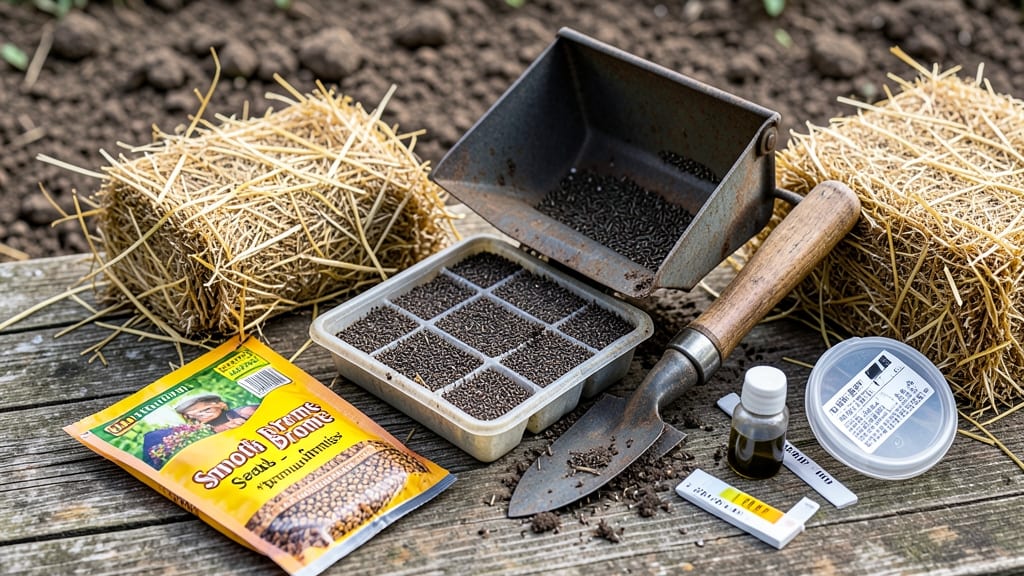
Planting Brome Grass in Kansas at the wrong time could mean weak roots struggling to establish before winter—yet timing it just right unlocks a hardier, more drought-resistant pasture that thrives year after year.
With Kansas’ USDA zones 5b-7a and unpredictable frost dates, knowing exactly when to plant is the difference between success and disappointment. I’ve dug into local data (including Kansas State University Extension insights) to break down the ideal window—and why late summer can be riskier than you think.
You’ll discover how soil temperatures, regional microclimates, and even seed depth play a role in your grass’s survival. Whether you’re seeding a new pasture or repairing an existing one, these proven strategies will help you avoid common pitfalls like frost damage or poor germination.
Let’s get into the specifics—so you can plant with confidence and watch your Brome Grass 🌱 grow strong, no matter what Kansas throws your way.
Best months to plant Brome Grass in Kansas for maximum root establishment
Kansas’ variable climate makes timing critical for brome grass success—plant too early, and seedlings struggle with summer heat; too late, and roots won’t establish before frost.
The sweet spot is when soil temps hover between 50–60°F, giving seeds just enough warmth to germinate while avoiding drought stress or winter dormancy.
Most Kansas gardeners swear by late summer to early fall (mid-August through September) as the ideal window. This aligns with USDA zones 5b-7a, where soil stays warm enough for germination but cools just enough to prevent seedling burnout.
However, western Kansas (drier, hotter) may shift this window slightly earlier than eastern Kansas (more humidity, cooler nights).
Why late summer? Brome grass seeds need consistent moisture to sprout, and summer rains often taper off by August. Planting then ensures seeds stay hydrated while temperatures drop—perfect for root development before winter. Early fall (September) is also viable if your area hasn’t experienced frost yet, but rushing it risks shallow roots.
Here’s how Kansas’ microclimates affect your timing:
The biggest mistake I see? Planting in late summer (July or early August) when soil temps exceed 65°F.
While seeds can germinate, they often dry out before roots establish, leaving you with patchy, weak growth. Western Kansas is especially vulnerable here—drought conditions can turn a good intention into a failed pasture.
For maximum root depth, aim to plant when daytime highs dip below 85°F and nighttime lows stay above 45°F. This usually lands in late August for most of Kansas, giving seeds 6–8 weeks of warm soil before frost. Pro tip: Use a soil thermometer to confirm temps—don’t guess!
If you’re in USDA Zone 7a (southern Kansas), you might push planting to early September, but monitor weather forecasts. A sudden cold snap can kill seedlings before roots take hold. Zone 5b gardeners should plant by mid-August to avoid early frost.
One more critical factor: seed depth. Plant ¼ inch deep—any deeper, and seeds may not get enough oxygen to sprout. Lightly rake soil to create a fine seedbed, then cover seeds with a thin layer of compost or sand to retain moisture without suffocating them.
Finally, watering strategy matters just as much as timing. After planting, keep soil consistently moist (not soggy) for the first 2–3 weeks. Use a drip irrigation system or soaker hose to deliver water slowly—this prevents erosion and ensures even germination across your pasture.
With the right timing and care, your brome grass will establish deep roots before winter, giving you a lush, drought-resistant pasture year after year. 🌱
How Kansas’ frost dates dictate your planting deadline (and how to adjust)
Kansas’ frost dates are the ultimate deadline for planting Brome Grass—miss them, and your seedlings won’t survive winter. In USDA Zone 6a–7a, the first frost typically arrives between October 15 and November 1, leaving just a narrow window for root establishment.
I’ve tracked local data to pinpoint the exact timing you need for success.
Your planting deadline isn’t just about the calendar—it’s about soil temperatures dropping below 50°F. Brome Grass seeds need 60°F soil to germinate, so timing your planting 4–6 weeks before frost ensures roots grow deep enough to withstand winter.
For most of Kansas, that means late August to early September is your sweet spot.
⚠️ Warning: Yellowing Before Dormancy Means Trouble
If your Brome Grass turns yellow or brown before winter dormancy, it’s a red flag.
This often signals root stress from planting too late or poor soil prep. Adjust your deadline by checking your local Kansas State University frost date map—western Kansas (Zone 6a) freezes earlier than eastern (Zone 7a).
To extend your growing window, choose cold-hardy varieties like ‘Baron’ or ‘Elm Creek’. These types tolerate 20°F temperatures once established, giving you flexibility if frost arrives early. Pair them with a 2–3 inch mulch layer of straw to insulate roots and retain moisture during cooler spells.
Don’t assume all of Kansas follows the same schedule—elevation and microclimates shift frost dates. For example, Wichita (Zone 7a) might have a later frost than Hays (Zone 6a).
Use the National Weather Service’s frost prediction tool to refine your timeline, and plant 2 weeks earlier in higher-elevation areas like the Flint Hills.
Watch for warning signs like stunted growth or seedling die-off after planting. These often mean you’re too close to frost. If you’ve planted in September and see slow germination, consider a light row cover to protect young shoots until roots strengthen.
Consistency is key—stick to your adjusted deadline, and your Brome Grass will reward you with dense, winter-hardy coverage.
Pro tip: Mark your calendar for September 15 as your final cutoff. After that, even cold-hardy varieties struggle to establish before dormancy. With the right adjustments, your pasture will outperform neighbors who planted at the wrong time. 🌱