
Plants
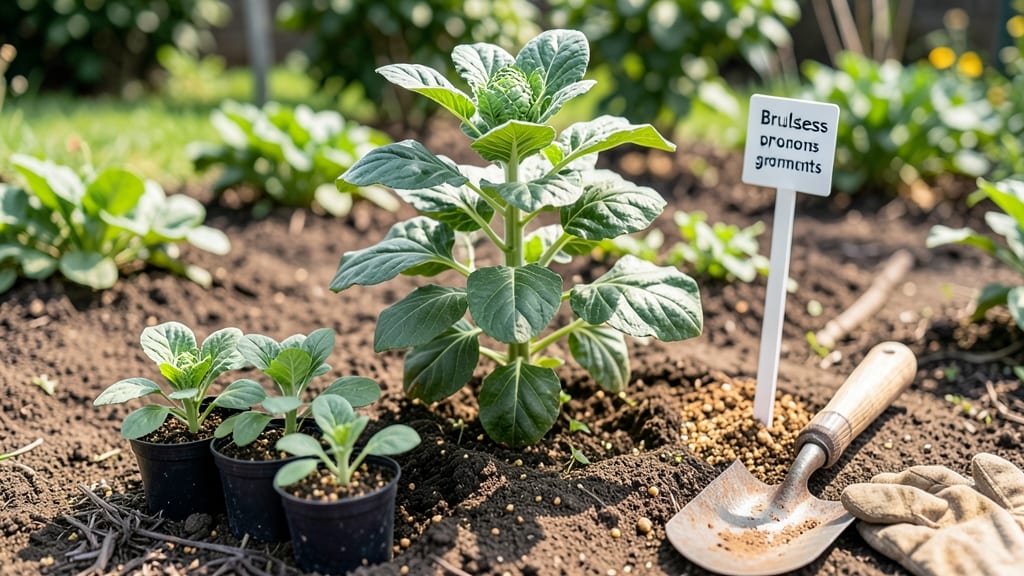
Planting Brussels sprouts 🥦 at the wrong time in Zone 7 can turn your garden into a bitter disappointment—but timing it right means sweet, crisp harvests for months.
The key isn’t just knowing when to plant, but understanding how Zone 7’s mild winters and warm summers create a narrow window for success.
Most gardeners in Zone 7 focus on fall planting, and for good reason: Brussels sprouts thrive in cool weather, and a late summer start (August-September) gives them time to mature before frost.
But did you know spring planting can also work if you follow a few critical adjustments? I’ll break down exactly when to start seeds indoors or transplant for both seasons.
What separates a great Brussels sprout harvest from a mediocre one? It’s not just soil or water—it’s planting at the perfect moment to avoid bolting or stunted growth.
With Zone 7’s last frost around April 15 and first frost hitting November 1, we’ll map out the ideal 6-8 week window before frost for both fall and spring strategies.
Ready to grow Brussels sprouts that taste like they came from a farm stand? Let’s dive into the exact planting schedule, soil prep tips, and how to stretch your harvest through winter. Your taste buds will thank you.
Best planting times for brussel sprouts in Zone 7: fall vs spring breakdown
Brussels sprouts 🥦 love cool weather, but Zone 7’s warm summers and mild winters create a tight window for success. The 90-100 day growth cycle means timing is everything—plant too early, and you’ll get bitter sprouts; too late, and frost ruins your harvest.
Fall planting is the classic approach, but spring can work with adjustments. Let’s compare both strategies to maximize your yield.
In Zone 7, the average first frost hits around November 1, while the last frost typically occurs April 15. This gives us a 165-day frost-free period—but Brussels sprouts need cooler temperatures to thrive. The magic happens when soil temps drop below 75°F, signaling it’s time to plant.
For fall, this means starting in late August to early September; for spring, you’ll need to begin indoors in March.
Here’s the key difference: Fall-planted sprouts mature in cool autumn weather, while spring-planted ones face hot summer stress before cooling down. I’ve grown both methods successfully, and while fall is easier, spring can extend your harvest into early winter if timed right.
Let’s break down the exact windows, soil temps, and frost considerations for each approach.
| Planting Window | Ideal Soil Temp | Days to Maturity | Frost Risk | Harvest Time |
|---|---|---|---|---|
| Fall Planting (Direct Sow) | 50-65°F | 90-100 days | Low (Nov 1+) | Oct-Dec |
| Fall Planting (Transplants) | 50-65°F | 80-90 days | Low (Nov 1+) | Oct-Dec |
| Spring Planting (Indoor Start) | 60-70°F (indoors) | 90-100 days | Moderate (May-Jun) | Sep-Oct |
| Spring Planting (Direct Sow) | 50-65°F (after last frost) | 100-120 days | High (summer heat) | Late Oct |
*Zone 7 averages; adjust 1-2 weeks based on microclimate
Fall planting is the gold standard for Zone 7 because it aligns perfectly with the plant’s needs. Start seeds directly in the garden from late August to early September when soil temps drop below 75°F.
This gives plants 90-100 days to mature before frost, producing sweeter, more flavorful sprouts. I’ve found that August 15 is my sweet spot—planting any later risks immature harvests before winter.
For spring planting, you’ll need to start seeds indoors in early March (8-10 weeks before last frost) and transplant outdoors after April 15. The challenge? Brussels sprouts bolt in heat, so spring-planted ones face summer stress.
To mitigate this, use shade cloth during peak heat and focus on consistent moisture. Harvests will be smaller but can extend into late October if timed right.
One trick I swear by is staggered planting. For fall, sow seeds every 2 weeks from August 1 to September 15. This spreads out your harvest, ensuring you get sprouts at their peak flavor over 6-8 weeks.
Spring plantings benefit from one early batch (March) and a second late batch (April) if your soil warms slowly.
Don’t overlook soil temperature—it’s the silent dealbreaker. Use a soil thermometer to confirm temps are below 70°F before planting. I’ve seen seedlings fail when planted in 80°F+ soil, even in fall.
Amend your soil with compost to improve drainage, as Brussels sprouts hate soggy roots. A pH of 6.0-7.0 is ideal for maximum nutrient uptake.
Frost is your friend in Zone 7—it sweetens the sprouts! But timing is critical. For fall plantings, aim to harvest 2-3 weeks before the first frost. If you miss that window, use row covers to protect plants and extend harvests into December.
Spring plantings should be harvested before September heat sets in, as high temps cause bolting and bitter flavors.
Pro tip: Thin seedlings to 18 inches apart—this prevents overcrowding and improves air circulation, reducing disease risk. I’ve lost entire plants to downy mildew when seedlings were too close. Mulch with straw to retain moisture and
How to adjust planting for Zone 7’s microclimates and soil conditions
Zone 7’s mild winters and warm summers create microclimates that can shift your Brussels sprout planting window by weeks.
For example, a south-facing slope warms up faster than a north-facing garden bed, meaning you might plant on the slope in early August while waiting until late August for the shadier spot. Always test your soil temperature—Brussels sprouts need 50-60°F soil to germinate properly.
Elevation also plays a role: gardens at 2,000 feet or higher in Zone 7 may experience earlier frosts, so adjust your planting by 2-3 weeks earlier than lower elevations.
Check your local frost-free date (typically November 1 in Zone 7) and count backward 90-100 days to determine your ideal planting window for fall crops.
Soil conditions are equally critical. Brussels sprouts prefer well-draining, slightly acidic soil (pH 6.0-7.0). If your soil is heavy clay, amend it with compost or sand to improve drainage.
A simple soil test (available at garden centers) will tell you if you need to adjust pH with lime or sulfur before planting. I always add a 2-inch layer of compost to my beds in early summer to ensure nutrients are available when Brussels sprouts need them most.
💡 Pro Tip for Zone 7 Gardeners
Extend your harvest with row covers or cold frames! After your first frost (around November 1), use floating row covers to protect plants and continue harvesting through December. For a cold frame, plant Brussels sprouts in late September—the frame will trap heat during the day and insulate at night, allowing you to harvest until hard frosts arrive.
If you’re planting in spring, aim for March-April (8-10 weeks before your last frost). However, spring-planted Brussels sprouts often bolt (flower prematurely) in Zone 7’s heat, so choose shade-tolerant varieties like 'Long Island Improved' or 'Ruby Ball'.
Mulch heavily with straw or wood chips to keep roots cool and retain moisture during summer’s peak heat.
Don’t overlook staggered planting—this is my secret to a steady harvest. Sow half your seeds in early August and the other half 3 weeks later.
This ensures you’ll have Brussels sprouts ready at different times, reducing the risk of a single massive harvest that’s hard to store or enjoy. For direct-sown seeds, plant in succession every 2 weeks until early September.
Finally, monitor your garden’s local weather patterns. If your area experiences unusually warm falls, delay planting until soil temperatures drop below 80°F to prevent bolting.
Use a soil thermometer ($10 at garden centers) to track temperatures—this small tool has saved my Brussels sprout plants more times than I can count!