
Plants
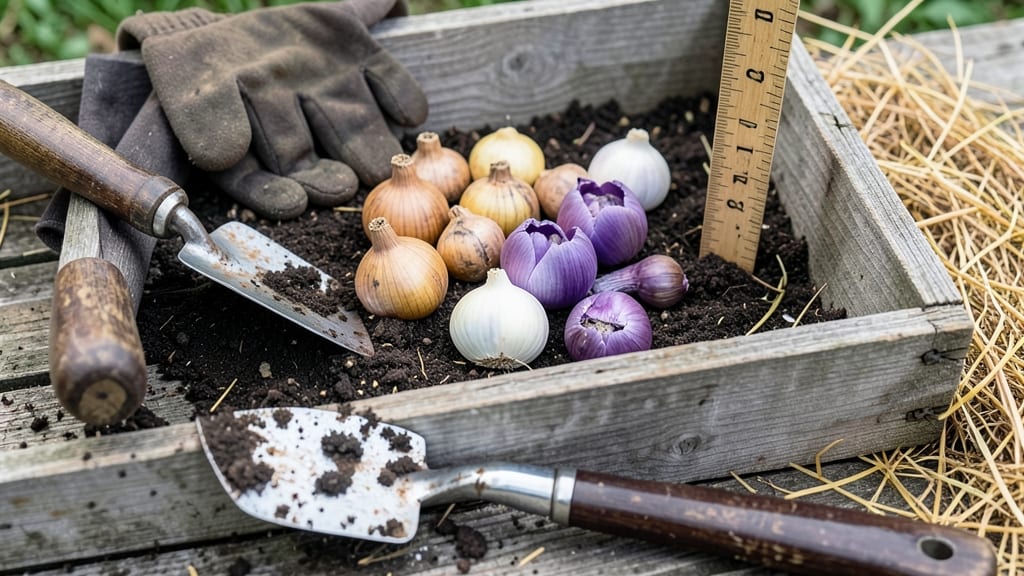
Planting your 🌷 bulbs (General, e.g., Tulip, Daffodil, Hyacinth) at the wrong time in Iowa could mean missed spring blooms—or worse, wasted money. The key to perfect timing lies in understanding your zone’s frost dates, and getting it right ensures vibrant flowers year after year.
In Iowa’s 5a-5b zones, fall planting between September and November is ideal for most bulbs, but early spring options exist too. The secret? Planting 6-8 weeks before the ground freezes—usually by late October—gives roots time to establish before winter’s chill.
Whether you’re a first-time gardener or a seasoned pro, this guide breaks down the exact windows for your zone, plus soil prep and care tips tailored to Iowa’s climate. Let’s make sure your garden bursts with color next spring.
From avoiding common mistakes to choosing the best bulbs for your yard, I’ll show you how to get it right the first time—no guesswork needed.
Iowa bulb planting calendar by hardiness Zone (with exact frost date ranges)
Iowa’s USDA Zones 4a-5b create unique challenges for bulb planting, with first frost dates ranging from mid-October to late October and last frost dates between mid-April and early May. Getting your timing right means the difference between vibrant spring blooms and wasted money on bulbs that never sprout.
Each zone has specific windows for fall planting (ideal for most bulbs) and early spring planting (for tender varieties).
For Zone 4a (northern Iowa), where winters are harshest, you’ll need to plant bulbs 6-8 weeks before ground freezes—typically by October 15. In Zone 5b (southern Iowa), you can extend your window slightly, but don’t wait past November 1, or bulbs may rot before winter.
Soil temperature is your best guide: aim for 60°F or below for fall planting.
Most bulbs—like tulips, daffodils, and hyacinths—should be planted in fall to establish roots before winter. However, spring-flowering bulbs like crocuses and snowdrops can handle early spring planting (March-April) in all zones, as long as they’re in the ground 4-6 weeks before last frost.
In Zone 4a, where ground freezes earliest, prioritize hardy bulbs like daffodils and alliums, which tolerate colder soils. For Zone 5b, you can experiment with tender bulbs like cannas or dahlias, but plant them in spring after all frost risk has passed.
Always check soil moisture—dry soil in fall can prevent root establishment, while soggy soil invites rot.
Pro tip: Use a soil thermometer to confirm when temps drop below 60°F. In Zone 4a, this often happens by mid-October, while Zone 5b may stay warm until late October.
If you’re unsure, err on the side of earlier planting—bulbs won’t sprout until spring, but they’ll have a head start on root growth.
For spring-planted bulbs, like gladiolus or caladiums, wait until soil temps rise above 60°F and all frost danger has passed. In Zone 4a, this is usually
5 Critical mistakes that ruin Iowa bulb planting (and how to avoid them)
Planting bulbs in Iowa’s Zone 4a-5b climate comes with unique challenges, and even small mistakes can mean the difference between a stunning spring display and wasted money. The most common error? Planting at the wrong time.
In Iowa, bulbs need 6-8 weeks before the ground freezes to establish roots—usually by late October. But many gardeners either rush planting in September or wait too long in November, both of which can stunt root growth.
Another frequent blunder is skipping soil preparation. Iowa’s clay-heavy soils often need amendments like compost or sand to improve drainage. Without this step, bulbs can rot over winter. Even worse, some gardeners plant bulbs too shallow or too deep, which disrupts the natural growth cycle.
Let’s fix these mistakes—and more—with zone-specific solutions tailored to Iowa’s frost patterns.
Iowa’s first frost typically hits October 15, so aim to plant 6-8 weeks before—usually September 15-October 15. Late planting (after November 1) risks shallow roots, while early planting (before September 1) can cause sprouting before winter.
Iowa’s clay soils need organic matter (compost or peat moss) to improve drainage. Test soil pH—most bulbs thrive in 6.0-7.0. Skipping this step leads to rot or poor blooms.
Most bulbs need 6-8 inches deep (2-3x bulb height). Planting too shallow (4 inches) exposes them to frost heave, while burying too deep (>10 inches) delays blooming. Use a trowel for precision.
Avoid tender bulbs like dahlias or cannas—they won’t survive Iowa’s winters. Stick to daffodils, tulips, or alliums, which thrive in Zone 4a-5b.
In colder Zone 4a, add 3-4 inches of mulch (straw or shredded leaves) after planting to insulate bulbs. Without mulch, frost heave can push bulbs out of the soil, damaging roots.
One of the biggest misconceptions is that all bulbs can be planted in spring. While some varieties (like crocuses) tolerate spring planting, most—including tulips and daffodils—need fall planting to establish roots before winter.
In Iowa, spring-planted bulbs often bolt to seed instead of blooming, wasting your investment. Always check the packaging for planting instructions.
Finally, don’t overlook post-planting care. After planting, water deeply to settle the soil, then reduce watering until spring rains return. In Zone 5b, a light layer of mulch (2 inches) helps retain moisture, while in Zone 4a
By avoiding these mistakes, your Iowa garden will burst with color year after year—no guesswork needed. Ready to try? Grab your bulbs and trowel, mark your calendar for September-October, and follow these steps. Your future spring blooms will thank you! 🌷