
Plants
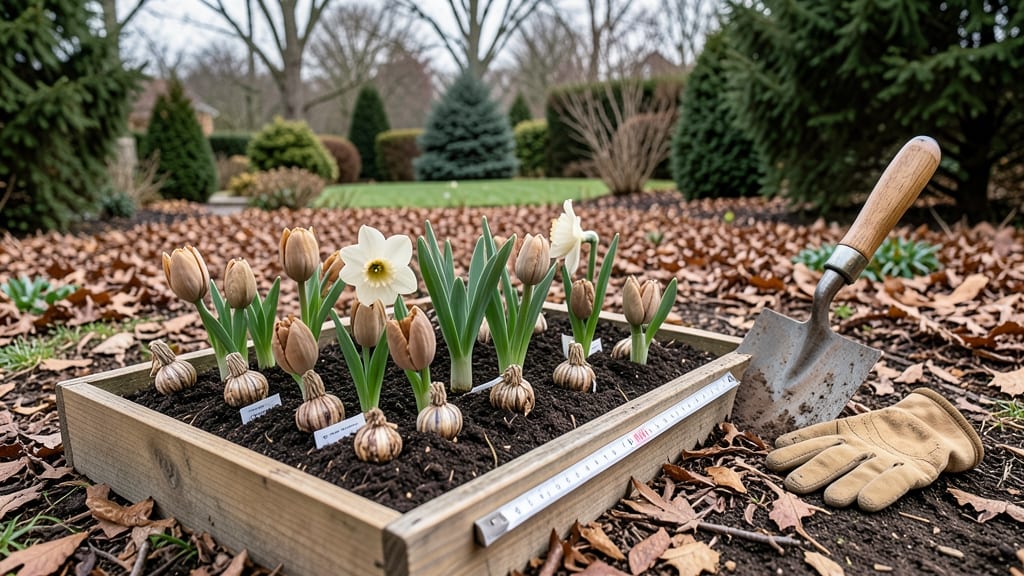
Planting bulbs at the wrong time in New Jersey can mean the difference between a showstopping spring garden 🌷 and a wasted investment. With frost dates that shift yearly and microclimates from coastal to inland, knowing the exact window for fall or spring planting is everything.
Most gardeners in zones 6a to 7b swear by fall planting—typically between October and November—to give bulbs time to root before winter. But what if you missed that window? I’ll show you how to still get blooms by spring, plus the critical mistakes that kill even the hardiest bulbs.
Whether you’re planting tulips, daffodils, or dahlias, timing matters more than you think. Let’s break down the perfect schedule for NJ’s climate, so you can enjoy vibrant blooms year after year without the guesswork.
Ready to avoid frost-related failures? Stick around—I’ll walk you through soil prep, frost-date tricks, and even how to force bulbs for indoor blooms if you’re late to the game.
NJ fall bulb planting schedule: exact dates to avoid winter frost
New Jersey’s 6-week frost window before the ground freezes is your golden opportunity to plant bulbs for next spring’s blooms. Miss it, and you risk bulbs rotting in soggy soil or failing to root before winter.
The key? Planting when soil temps drop to 40-50°F—a perfect balance for root growth without freezing.
Most of NJ falls under USDA Zones 6b-7a, but frost dates vary wildly. North Jersey (like Bergen County) often sees frost by mid-November**, while South Jersey (like Cape May) can wait until late November or early December.
Coastal areas stay warmer longer, giving you a 2-3 week extension compared to inland valleys.
Here’s the critical timeline for fall bulb planting in NJ, tailored to your region and microclimate:
Pro tip: Use a soil thermometer to confirm temps—bulbs need time to root before the ground freezes. If your soil is still warm (above 50°F), wait a week or two. Conversely, if frost looms, plant immediately even if it’s not “perfect” timing.
For coastal NJ (like Atlantic City or Cape May), you can push planting to early December because milder winters delay frost. Inland areas (like Morris or Sussex Counties) should aim for mid-October to avoid early freezes.
Always plant 6-8 weeks before your average first frost date—this gives roots time to establish.
Don’t forget to amend your soil with compost or bulb-specific fertilizer before planting. Bulbs like tulips and daffodils thrive in well-draining soil, while alliums tolerate poorer conditions. If your soil is heavy clay, mix in sand or perlite to prevent rot.
One common mistake? Planting bulbs too deep. A rule of thumb: Dig a hole 2-3 times the bulb’s height. For example, a 2-inch daffodil bulb should go 4-6 inches deep. Over-deep planting can lead to weak stems or no blooms at all.
Finally, mulch after planting to insulate bulbs from temperature swings. Use straw or shredded leaves (avoid thick layers that can suffocate bulbs). This extra step can mean the difference between next spring’s blooms and a failed investment.
Ready to dig in? Grab your gloves and a thermometer—your future spring garden starts now! 🌷
Spring bulb planting in NJ: late-winter tricks for second-chance blooms
Missed the fall planting window? Don’t panic—spring bulb planting in New Jersey’s zones 6a-7b can still deliver stunning blooms, especially with the right tricks.
While most gardeners swear by fall plantings, certain bulbs thrive when planted in early spring, and others can even be forced indoors for indoor winter blooms.
For spring plantings to succeed, focus on warm-season bulbs like dahlias, cannas, or caladiums, which follow the September-to-March rule. These bulbs need soil temps above 60°F (15°C) to sprout, making late winter the perfect time.
Meanwhile, traditional spring bloomers like tulips and daffodils can also work if planted in containers or well-draining soil.
🌱 Spring Bulb Planting Timeline for NJ
- Early March: Plant dahlias, cannas in containers or warm microclimates (e.g., south-facing beds). Soil should be workable but not frozen.
- Mid-March: Force hyacinths, tulips indoors in pots with pebbles and water (no soil needed!). Place in cool, dark spot for 6-8 weeks.
- Late March-Early April: Plant tulips, daffodils directly in garden beds once soil reaches 50°F (10°C). Avoid soggy spots!
- April (after last frost): Transplant container-grown bulbs to garden. Mulch lightly to retain moisture.
Prepping soil for spring bulbs is just as critical as timing. Start by amending your garden beds with compost or aged manure to improve drainage—waterlogged soil is a death sentence for bulbs.
Test your soil’s pH; most bulbs prefer a neutral to slightly acidic range (6.0-7.0). If your soil is heavy clay, mix in sand or perlite to prevent rot.
Pro tip: Use container gardening to extend your spring planting window. Fill pots with a mix of potting soil and perlite, plant bulbs at the correct depth (usually 2-3 times their height), and place them in a sunny spot once frost risk passes.
This method also protects bulbs from squirrel theft and soil compaction.
Remember, not all bulbs are created equal. Summer-flowering bulbs (like dahlias) need warm soil to sprout, while spring bloomers (like tulips) can handle cooler temps but still benefit from early planting. Always check the USDA zone recommendations on your bulb packaging—some varieties are tougher than others!
With these late-winter tricks, you’ll still enjoy a burst of color this spring, even if you missed the fall window. Just keep an eye on frost forecasts and adjust your timing accordingly—your garden will thank you! 🌷