
Plants
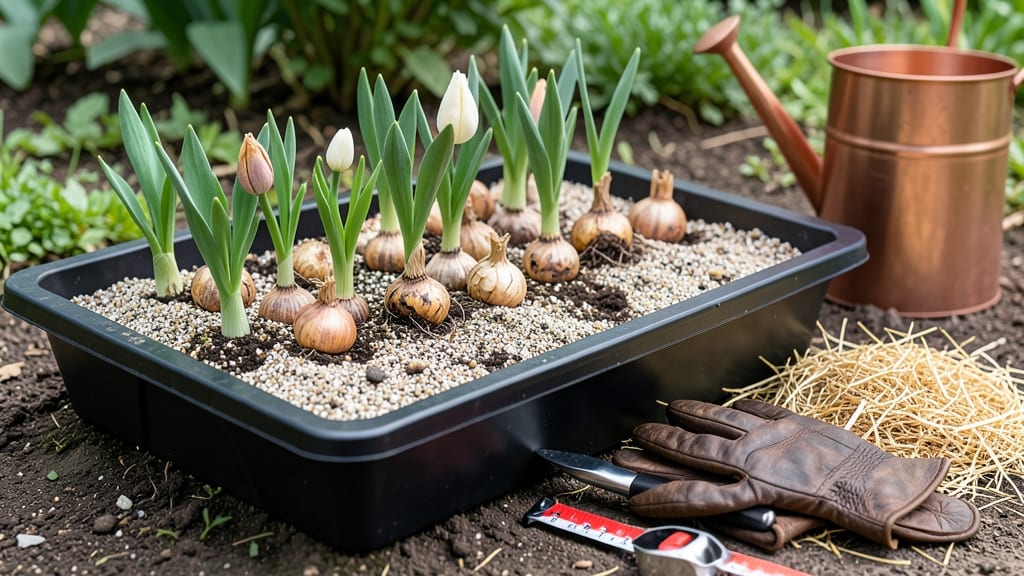
Planting Spring Flowering Bulbs 🌷 in Phoenix isn’t just about timing—it’s about surviving the desert’s relentless heat and rare winter chills. If you wait too long, your bulbs might rot before they even sprout, while planting too early risks exposing them to summer’s scorching temperatures.
Most gardeners in Zone 9b assume fall is the only window, but the truth is more nuanced. The ideal time stretches from November through January, when soil stays cool enough to prevent premature sprouting yet warm enough to encourage root growth.
Why does this matter? Because Phoenix’s 300+ frost-free days mean traditional planting advice won’t cut it. I’ll break down the exact months for each bulb type—from tulips to crocuses—and how to prep your soil to give them the best shot at thriving.
Skip the guesswork and learn how to plant bulbs the Phoenix way—so you’re not left with empty garden beds come spring.
Phoenix heat-Zone planting calendar: exact months for bulbs by type
Phoenix’s USDA Zone 10b climate means traditional bulb planting rules don’t apply—most gardeners mistakenly plant in spring when the heat already stresses bulbs. The key is planting 6-8 weeks before winter rains (October-November) or in deep winter (December-January) when soil temps stay cool.
This ensures roots establish before summer’s 110°F+ heat arrives.
Unlike cooler climates, Phoenix’s frost-free winters allow flexibility, but timing still matters. Plant spring-flowering bulbs (tulips, daffodils) in November-December for February-April blooms. For heat-tolerant bulbs (dahlias, cannas), wait until February-March when soil warms to 60°F+.
Miss these windows, and your bulbs may rot in summer heat or fail to bloom.
⚠️ Critical Note: Phoenix’s unpredictable winter frosts (even in Zone 10b) can damage tender bulbs. Check your microclimate—higher elevations (like North Phoenix) may need earlier planting (October) while lower areas (South Phoenix) can wait until December. Always plant bulbs 3x deeper than their height to insulate roots.
| Bulb Type | Ideal Planting Months | Bloom Season | Frost Risk | Soil Temp Requirement |
|---|---|---|---|---|
| Tulips (Spring) | November-December | February-April | Low (Zone 10b) | 50-60°F |
| Daffodils (Spring) | October-November | February-March | None | 55-65°F |
| Hyacinths (Spring) | November-January | March-April | Moderate (avoid frost) | 50-60°F |
| Crocuses (Fall/Winter) | December-January | January-February | None | 55-65°F |
| Dahlias (Heat-Tolerant) | February-March | June-September | None | 60-70°F |
| Cannas (Heat-Tolerant) | March-April | July-October | None | 65-75°F |
| Rain Lilies (Drought-Proof) | October-November | July-August (after monsoon) | None | 60-70°F |
For spring-flowering bulbs like tulips and daffodils, November is the goldilocks month—soil is still warm enough for root growth but cool enough to prevent premature sprouting. Plant them 6 inches deep in amended soil (mix in compost and sand for drainage) to protect roots from summer heat.
If you plant in December-January, use a light mulch (1-2 inches) of straw to insulate bulbs from rare frost dips below 32°F.
Phoenix’s heat-tolerant bulbs (dahlias, cannas) thrive when planted in late winter (February-March) because they need warm soil to sprout.
Unlike traditional bulbs, these varieties love the heat—they’ll bloom from June through October if planted correctly. Pro Tip: Soak dahlia tubers in lukewarm water for 24 hours before planting to jumpstart root growth in Phoenix’s dry soil.
One common mistake Phoenix gardeners make is planting spring bulbs too early (September-October). While this works in cooler climates, Phoenix’s 100°F+ soil temps in late fall can cause bulbs to sprout prematurely and then burn in summer heat.
Always wait until after the monsoon season (mid-September) when soil cools slightly. Test soil temp with a thermometer—ideal planting temps are 50-65°F.
If you’re new to Phoenix gardening, start with heat-tolerant bulbs like rain lilies or spider lilies—they’ll thrive with minimal fuss. These bulbs store water efficiently and bloom after summer rains, making them perfect
5 Critical mistakes Phoenix gardeners make planting bulbs (and how to avoid them)
Phoenix gardeners love bulbs for their vibrant spring blooms, but the desert climate throws curveballs. The wrong timing or poor soil prep can turn your $50 bulb order into a wasted investment.
I’ve seen firsthand how 105°F summers and unpredictable winter chills sabotage even experienced gardeners. Let’s fix these common blunders before your next planting season.
First, many rush planting in late winter when soil temps are still too warm. Bulbs like tulips and daffodils need cool soil (60°F or below) to root properly.
Planting too early in October risks premature sprouting from warm spells, while waiting until February leaves them vulnerable to spring heat stress. The sweet spot? November through January when temps consistently drop.
⚠️ WARNING: Phoenix Bulb Planting Pitfalls ⚠️
❌ Mistake #1: Planting at the Wrong Time
Risk: Bulbs rot in hot soil or sprout too early, then brown in summer heat. Phoenix’s Zone 10 climate demands fall planting (Nov-Jan) for spring blooms.
Fix: Use a soil thermometer—aim for 60°F or cooler. For heat-tolerant bulbs like dahlias, plant in late winter (Feb-March) after last frost risk passes.
Another big mistake? Skipping soil amendments in Phoenix’s sandy, nutrient-poor soil. Bulbs need organic matter to store energy for next year’s blooms. I’ve dug up starving bulbs with shallow roots because gardeners assumed the soil was ready.
Mix in 3 inches of compost or well-rotted manure before planting, and consider bulb-specific fertilizer (high in phosphorus) at planting time.
Choosing frost-sensitive varieties is another rookie error. While Phoenix rarely freezes, unexpected cold snaps can damage tender bulbs like tulips. Opt for native or heat-adapted bulbs such as rain lilies or agapanthus, which thrive in 100°F+ temps.
If you love traditional bulbs, select drought-resistant hybrids labeled for Zone 9-10.
Overwatering is a silent killer in Phoenix. Many bulbs rot in soggy soil, especially during our monsoon season. After planting, water deeply but infrequently—about 1 inch per week—and reduce to monthly once established.
Use drip irrigation to avoid wetting foliage, which promotes fungal diseases like botrytis.
Finally, planting bulbs too shallow or too deep stunts growth. Follow the 3x rule: Depth = 3 times the bulb’s height. For example, a 2-inch daffodil bulb should go 6 inches deep.
In heavy clay soil, add sand or perlite to improve drainage. Mark planting spots with biodegradable flags to avoid disturbing them during Phoenix’s unpredictable weather shifts.
By avoiding these 5 critical mistakes, your bulbs will thrive in Phoenix’s extreme climate, delivering bold blooms year after year. Start with one mistake-free planting this fall, and you’ll see the difference in spring’s vibrant display! 🌷