
Plants
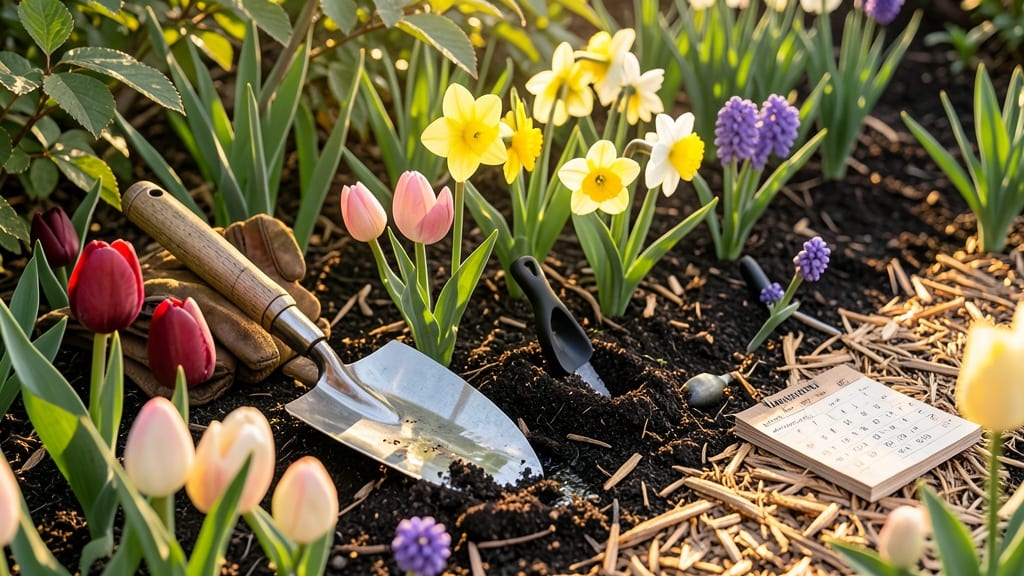
Timing your bulb planting in Zone 6A could mean the difference between a breathtaking spring garden and a missed opportunity—because those 🌷 blooms need just the right window to thrive.
Most gardeners know fall is the prime time, but did you realize spring planting can still work for certain varieties? The key lies in understanding your local frost dates and soil conditions.
I’ll break down the exact months to plant for both fall and spring success, plus how to prepare your soil for maximum results.
Whether you’re a beginner or a seasoned gardener, getting the timing right ensures your bulbs establish strong roots before winter’s chill sets in. Let’s dive into the optimal planting schedule for Zone 6A’s unpredictable climate.
You’ll learn how to adjust for early or late frosts, which bulbs can handle spring planting, and the critical mistakes to avoid—so your garden bursts into color year after year.
Best fall planting times for zone 6A bulbs: month-by-month guide
Fall is the perfect time to plant spring-flowering bulbs like tulips and daffodils in Zone 6A, but timing matters more than you might think. Plant too early, and bulbs may sprout before winter; too late, and they won’t establish roots before the ground freezes.
The ideal window is 6-8 weeks before your first frost—typically mid-October to mid-November in most of Zone 6A.
Zone 6A’s variable climate means your exact planting dates depend on soil temperatures and local frost patterns. For example, areas like Chicago or Philadelphia may need to plant by late October, while Denver or Boise can stretch into early November.
Always check your local frost dates and aim to plant when soil temps drop to 50-60°F—this signals bulbs to start rooting without sprouting.
Fall-blooming bulbs like crocus and fall squill have slightly different rules. These can be planted as early as September in Zone 6A, since they bloom in late summer or fall and need time to establish before winter. Their shorter growing season means they’re less forgiving if planted too late.
Here’s your month-by-month breakdown for Zone 6A bulbs, including soil prep tips and common mistakes to avoid:
| Month | Bulb Types | Soil Temp | Planting Window | Key Tip |
|---|---|---|---|---|
| September | Crocus, Fall Squill | 55-65°F | Early Sept (Zone 6A south) | Plant shallow (2-3x bulb height) |
| October | Tulips, Daffodils, Hyacinths | 50-60°F | Mid-October (most of Zone 6A) | Avoid soggy soil; add compost |
| November | Late tulips, Alliums | 40-50°F | Early Nov (north Zone 6A) | Mulch after planting (2-3 inches) |
| December | None (too late) | Below freezing | — | Wait for spring planting |
For spring-flowering bulbs, October is the goldilocks month in most of Zone 6A. If you’re in the southern part (e.g., Atlanta), you might squeeze in early September plantings, but wait until mid-October if you’re in northern areas like Minneapolis.
The key is to plant when soil temps are cool but not frozen—this gives roots time to grow before winter dormancy.
One common mistake is planting bulbs too deep or too shallow. Most bulbs need 6-8 inches of soil above them (or 3x their height), except crocus, which should only be 2-3 inches deep.
Use a trowel to dig holes, place bulbs pointy-end up, and cover with soil. Water thoroughly after planting to help roots establish.
After planting, mulch heavily (2-3 inches) with straw or leaves to insulate bulbs from freeze-thaw cycles. This is especially critical in Zone 6A, where unpredictable winters can cause bulbs to heave out of the ground. Remove mulch in early spring once shoots appear to prevent rot from excess moisture.
If you miss the fall window, don’t panic—you can still plant many bulbs in early spring (March-April), though tulips and hyacinths may bloom later. The trade-off is smaller flowers and less vigor, but it’s better than nothing!
Just avoid planting after mid-April in Zone 6A, as bulbs need time to root before summer
Spring planting rules for zone 6A bulbs: what you can still grow
Spring planting isn’t just for seeds—many summer- and fall-blooming bulbs thrive when planted in early spring, especially in Zone 6A. If you missed your fall window or want to add dahlias, gladiolas, or cannas to your garden, now’s your chance.
The key is acting fast before the soil warms too much.
These bulbs need 6-8 weeks of warm soil to establish roots before summer’s heat arrives. In Zone 6A, that means planting between mid-March and early April, ideally after the last frost but before the soil hits 70°F. Late plantings risk stunted growth or missed blooms.
⚠️ WARNING: Spring Planting Risks ⚠️
Start by testing your soil’s moisture and temperature. Use a soil thermometer—ideal temps for spring bulbs are 50-60°F. Amend heavy clay with compost or sand to improve drainage, as waterlogged soil causes rot. For sandy soil, mix in peat moss to retain moisture.
Dig holes twice as deep as the bulb’s diameter (e.g., 6 inches deep for dahlias) and space them 3-6 inches apart, depending on the variety.
Larger bulbs like cannas need more room—12 inches apart—to prevent crowding. Add a slow-release bulb fertilizer to the hole for an extra nutrient boost.
After planting, water deeply to settle the soil and encourage root growth. Mulch with 2-3 inches of straw or shredded leaves to retain moisture and regulate soil temps. In Zone 6A’s variable climate, mulch also protects bulbs from late spring frosts, which can damage tender shoots.
Monitor your bulbs closely for yellowing leaves or stunted growth, signs of stress. If planted late, prioritize watering during dry spells—deep watering once a week is better than light daily doses. With proper care, even spring-planted bulbs can deliver stunning summer blooms and often return year after year.