
Plants
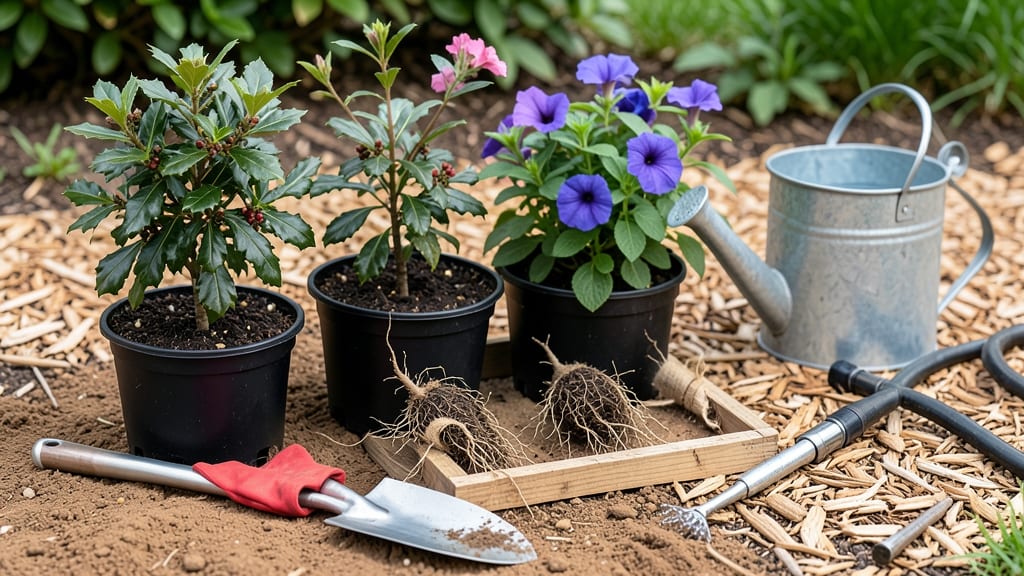
Planting bushes in Texas isn’t just about grabbing a shovel and digging—it’s about outsmarting the state’s unpredictable frost dates and scorching summers. Whether you’re in North Texas where winter freezes can sneak in or South Texas with its milder winters, timing matters more than you might think.
The ideal window for most bushes is fall (September–November) or early spring (February–April), but even that varies by microclimate. A late frost in Zone 8a can turn your new 🌿 crape myrtle into a sad, brown twig if you plant too soon.
Meanwhile, in Zone 10b, the real challenge is beating the summer heat before roots take hold.
In this guide, I’ll break down the exact planting times for your region—plus the top frost-resistant bushes that thrive in Texas’s extremes. No more guessing whether your azalea will survive or if your Texas sage will wilt before it even gets a chance to grow.
Ready to plant with confidence? Let’s dive into the microclimate map that’ll help your bushes thrive year after year—no matter where you live in the Lone Star State.
Texas planting zones by region: frost dates & microclimate variations
Texas spans USDA Hardiness Zones 7b through 9b, creating wildly different planting windows across its regions. In North Texas (Zone 7b-8a), gardeners face earlier freezes—sometimes as early as November 15—while South Texas (Zone 9a-9b) enjoys frost-free winters until January 15 or later.
These variations mean your azalea timing in Dallas differs drastically from your crape myrtle schedule in Houston. Understanding these zones helps you avoid late-spring freezes that can devastate tender new growth.
Microclimates add another layer of complexity. Urban heat islands in Austin and San Antonio can push last frost dates 2-3 weeks later than rural areas, while Hill Country elevations (like Fredricksburg) often experience earlier freezes due to higher altitudes.
Even within 50 miles, your Texas sage might thrive in one yard but struggle in another. Elevation changes of just 500 feet can shift planting windows by 2-4 weeks, so always check local frost records before digging in.
Here’s how Texas’s regional frost dates break down for bush planting, including microclimate exceptions:
Azaleas in Zone 8a (like Austin) need to be planted in early spring (February) to avoid late-winter freezes, while crape myrtles in Zone 9a (like Houston) can handle fall planting until November. Texas sage, a native drought-tolerant shrub, thrives when planted in spring (March) across all zones, giving roots time to establish before summer’s 100°F+ heat. For elevation adjustments, subtract 1 week of planting time for every 500 feet above sea level—critical for Hill Country gardeners near Johnson City.
Microclimates also dictate soil prep timing. In urban heat islands, amend soil 4-6 weeks before planting to help roots adjust to higher soil temperatures. Meanwhile, in cooler microclimates (like shaded yards or wooded areas), wait until soil reaches 60°F+ before planting tender bushes like camellias.
Use a soil thermometer to monitor—below 55°F can stunt root growth for 6+ weeks.
Elevation plays a sneaky role in Texas sage and yaupon holly growth
Best bushes for Texas planting: frost-resistant varieties & their ideal timing
Choosing the right bushes for Texas means balancing frost resistance with heat tolerance. My top picks thrive in USDA Zones 8a-10b, handling everything from North Texas freezes to South Texas humidity.
The key? Planting at the right time—too early and frost zaps young roots; too late and summer heat stresses them.
For North Texas (Zones 8a-9a), aim for late February to early April or September to November. In South Texas (Zones 9b-10b), January to March or September to October works best. Below, I’ve curated 10 frost-tolerant bushes that won’t flinch at Texas’s extremes—plus their perfect planting windows.
For North Texas gardeners, prioritize Yaupon Holly or Crape Myrtle—both handle 20°F dips with ease. In South Texas, Mexican Petunia and Firebush shine, thriving in humid heat while still tolerating light frosts. Pro tip: Mulch 3–4 inches deep after planting to insulate roots from temperature swings.
If you’re in a transition zone (e.g., Austin or San Antonio), opt for Turk’s Cap or Texas Sage—they bridge the gap between North and South Texas needs. Always water deeply after planting (1–2 gallons per bush) to encourage root growth before summer’s dry spell hits.
For high-risk frost zones (like the Panhandle), delay spring planting until mid-April or use frost cloth for the first 2 weeks. In coastal areas, September planting avoids summer’s oppressive heat while giving roots time to settle before winter.
My #1 recommendation? Start with Yaupon Holly—it’s evergreen, drought-resistant, and handles Texas’s wild temperature swings like a champ. Pair it with Mexican Petunia for year-round color, and you’ll have a low-maintenance, frost-proof landscape that