
Plants
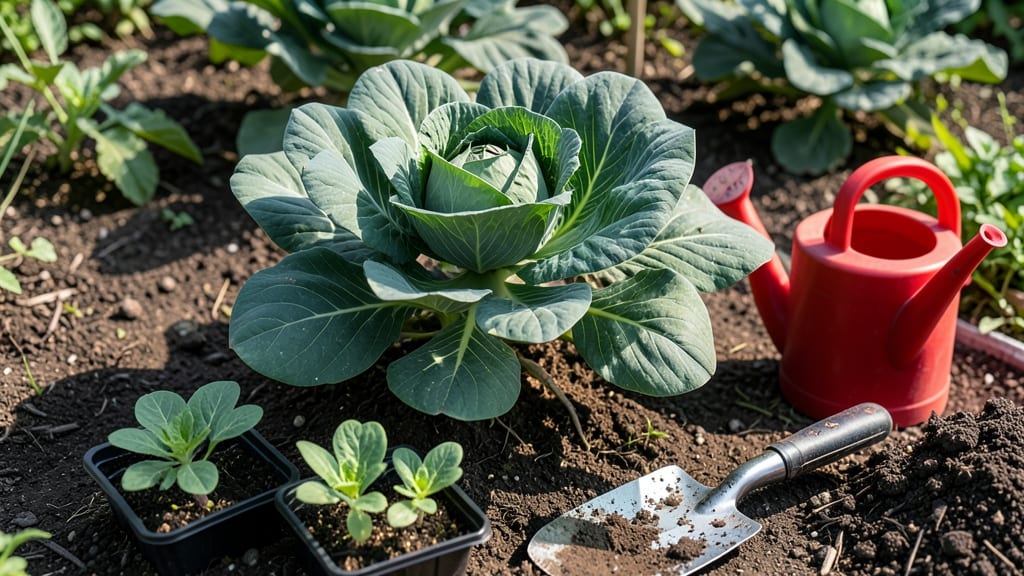
Planting cabbage in Zone 8b at the wrong time means bitter, loose heads instead of the sweet, crisp 🥬 harvest you crave. The secret to success lies in understanding your zone's unique frost dates and seasonal shifts—because timing isn't just about months, it's about temperature thresholds.
I've learned the hard way that cabbage thrives when nights stay cool but days warm up just enough. In Zone 8b, that means two distinct planting windows: one in early spring and another in late summer. Get this wrong, and you'll either have bolting plants or stunted growth.
What you'll discover here are the exact weeks to plant for both fall and spring harvests, plus how to adjust for your specific microclimate. Whether you're battling coastal humidity or inland heat waves, these strategies will help you maximize your cabbage yield.
Let's dive into the science behind why timing matters so much—and how to make it work perfectly in your garden this year.
Optimal cabbage planting windows in Zone 8b: fall vs spring breakdown
In Zone 8b, where average last frost dates hover around February 15 and first frosts arrive by November 15, cabbage planting becomes a delicate balance. Too early, and you risk bolting from heat; too late, and frost ruins your crop.
The key is planting when soil temps stay between 45°F and 75°F—a window that opens twice a year.
I've found that spring planting (February-March) and fall planting (July-August) offer the best chances for success. Each season requires slightly different prep work, from soil warming to heat protection. Let's break down the exact timing, temperature thresholds, and transplant windows that'll give you those perfect crisp, sweet heads.
Here's the critical planting timeline for Zone 8b, including transplant windows and harvest expectations:
| Season | Planting Window | Transplant Time | Soil Temp | Days to Harvest | Harvest Months |
|---|---|---|---|---|---|
| Spring | Late Jan - Early Mar | Feb 15 - Mar 15 | 45°F - 60°F | 70-90 days | April - June |
| Fall | Mid-July - Late Aug | Aug 1 - Aug 31 | 60°F - 75°F | 60-80 days | Oct - Dec |
For spring cabbage, I start seeds indoors 6-8 weeks before transplanting. The goal is to have seedlings ready just as soil warms to 50°F—cool enough to prevent bolting but warm enough for root growth.
In my garden, I've had the most success with February 15 as the earliest transplant date, using row covers for protection against late frosts.
Fall planting requires even more precision. Cabbage needs 10-12 weeks of cool weather after transplanting to form heads. That means starting seeds in mid-July for an August 1 transplant—just 100 days before the average first frost. If you miss this window, your heads will taste bitter or bolt before maturing.
One trick I've learned is to use shade cloth during summer transplanting to protect young plants from heat stress. Even in Zone 8b, afternoon temps can spike above 90°F, which triggers bolting.
A 30-50% shade cloth keeps soil temps down and extends your planting window by 2-3 weeks.
The transplant shock factor is critical in Zone 8b's humid summers. I always harden off seedlings for 10-14 days before moving them outdoors. This means gradually exposing them to afternoon sun and wind while keeping them well-watered.
The difference between thriving transplants and struggling ones often comes down to this prep work.
Don't overlook succession planting—it's how I extend my harvest season. For spring, I'll make two transplant batches: one in early February and another in mid-March.
For fall, I might squeeze in a third batch in early September if I'm feeling ambitious, using heat-tolerant varieties like 'Cavalo' or 'Badger Winter'.
Remember that Zone 8b's microclimates can vary dramatically. Coastal areas stay cooler longer, while inland spots may hit 100°F by July. Pay attention to your specific last frost date—it might be March 1 in some areas and March 15 in others.
Adjust your planting schedule accordingly to avoid frost damage.
With these timing guidelines, you'll avoid the most common mistakes—like planting too early and getting bolted cabbage or too late and facing frost damage.
The secret is patience and precision: wait for the right soil temps, protect young plants, and harvest at the perfect moment for that sweet, crisp texture we all love.
How to adjust planting timing for Zone 8b's microclimates and heat waves
Zone 8b's microclimates can shift your cabbage planting schedule by weeks—sometimes even months. Urban areas with concrete and asphalt heat up faster than rural fields, while coastal gardens stay cooler longer.
I've seen urban gardens hit 95°F soil temps by mid-July, forcing me to delay fall planting by 2-3 weeks compared to my rural neighbors.
For urban gardens, focus on shade protection during summer months. A 30% shade cloth over transplants can lower soil temps by 10-15°F, preventing bolting. In rural areas, where nights stay cooler, you might push fall planting until late August without protection.
Always check your local weather station for heat wave alerts—sudden 100°F+ days can ruin your crop in days.
Your sun exposure matters just as much as location. Cabbage needs 6+ hours of sun, but afternoon shade is crucial in Zone 8b's summer heat. I plant my fall cabbage near tall sunflowers or use reflective mulch to deflect afternoon rays.
Even partial shade from nearby trees can extend your planting window by 1-2 weeks.
🔥 Heat waves are the #1 enemy of Zone 8b cabbage. When temps hit 90°F+ for 3+ days, plants bolt within 72 hours. My solution? Drip irrigation with mulch rings keeps soil temps 10°F cooler than exposed beds.
I also switch to heat-tolerant varieties like 'Golden Acre' for late summer plantings—they handle 95°F better than standard types.
⚠️ HEAT WAVE WARNING: If your forecast shows 3+ days above 95°F after transplanting, your cabbage is at risk. Even one hot day can trigger bolting in young plants. My emergency fix: immediate shade cloth (50% coverage) and daily evening watering to cool roots. For existing plants, harvest immediately—heads won't improve, but they'll be better than bitter bolters.
Rural gardens often have cooler nights that help cabbage recover from daytime heat. I've successfully planted late August in open fields where temps drop to 70°F by sunset.
In urban areas, I stick to early August and use black plastic mulch to absorb daytime heat and release it slowly at night. This microclimate hack adds 10-14 days to your fall planting window.
Don't forget about wind exposure—another microclimate factor. Coastal gardens get salty winds that dry out young plants, while inland areas may have hot, dry winds that cause transplant shock. I always plant windbreaks (like corn stalks) around my cabbage beds in exposed areas.
For container gardening, move pots to protected spots during heat waves—even 5 feet makes a difference in wind protection.
Your soil type also affects timing. Sandy soils heat up faster than clay, so adjust your schedule 1 week earlier for sandy beds. I test soil temps with a digital thermometer before planting—75°F is the max for safe transplanting.
If temps climb higher, wait 7-10 days or use soil cooling techniques like mulch blankets or shade structures.