
Plants
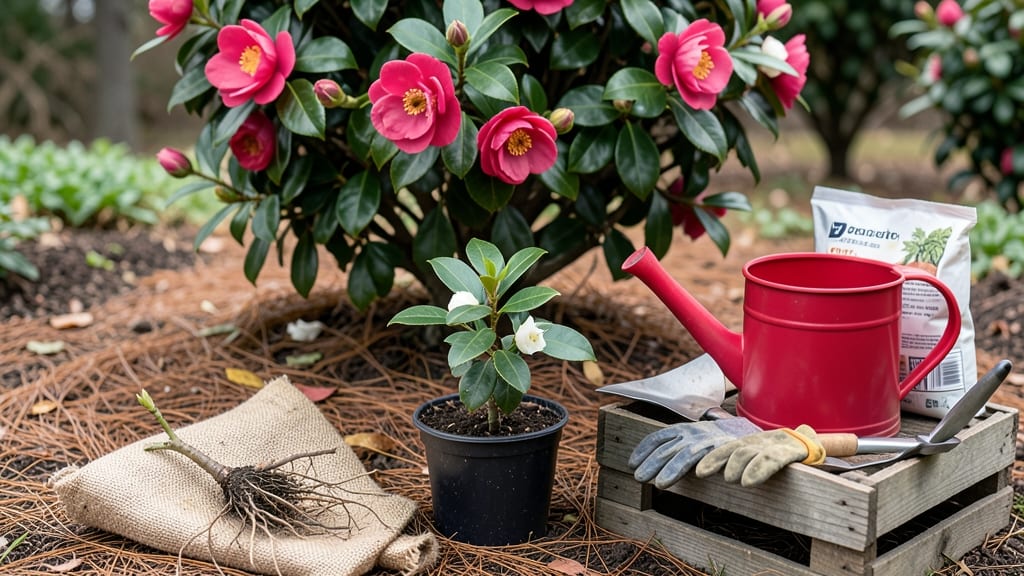
Planting your 🌸 camellias in NC at the wrong time could mean frost damage or weak growth—so timing is the key to those showstopping blooms you dream of. North Carolina’s 7a-8b zones offer a perfect climate for these evergreens, but getting the months right makes all the difference.
Whether you’re in the Coastal Plain or the Mountains, the ideal window is narrow, and missing it could cost you years of vibrant color.
Most gardeners swear by fall planting—between October and November—when soil stays warm enough for roots to settle before winter. But early spring, around February or March, is a close second, especially if you’re dealing with unpredictable frost dates.
The game-changer? Understanding your microclimate, because what works in Raleigh might not in Asheville.
I’ve seen firsthand how a few weeks can mean the difference between a thriving camellia and one struggling to recover.
In this guide, I’ll break down the best months for your zone, compare fall vs. spring planting, and share pro tips to extend your window—so you can plant with confidence and enjoy those lush blooms for seasons to come.
Ready to avoid the common mistakes that leave camellias stunted or frost-bitten? Let’s dive into the zero-frost survival strategies that’ll keep your plants happy year after year.
Best months to plant camellias in NC by hardiness zone
North Carolina’s USDA hardiness zones 6a-8b create perfect conditions for camellias, but timing your planting is critical to avoid frost damage and ensure strong root growth. The state’s mild winters and humid summers mean camellias can thrive year-round—but only if planted during the right monthly windows.
Let’s break down the best times by zone, including soil temperature and frost risk factors.
For zones 6a-7a (western NC mountains), frost dates are earlier, while zones 7b-8b (coastal and piedmont) enjoy longer growing seasons. My rule of thumb? Plant when soil temps are between 50-65°F—this gives roots time to establish before winter or summer heat stress sets in.
In NC, that means focusing on fall or early spring planting, with slight variations by region.
⚠️ Critical Note: Avoid planting during extreme heat (July-August) or peak frost months (December-January). Camellias are sensitive to transplant shock in these conditions, leading to poor establishment. Let’s dive into the zone-specific breakdown below.
NC Camellia Planting Guide by Zone & Season
| Zone | Best Planting Months | Soil Temp Range (°F) | Frost Risk | Key Consideration |
|---|---|---|---|---|
| 6a (Mountains) | October 15-Nov 15 March 1-April 15 |
50-60°F | High (Nov-Mar) | Use mulch for winter protection |
| 7a (Piedmont) | October 1-Nov 30 Feb 15-Mar 31 |
55-65°F | Moderate (Nov-Feb) | Prioritize acidic soil prep |
| 7b (Coastal) | September 15-Nov 15 Feb 1-Mar 15 |
60-70°F | Low (Dec-Feb) | Extend window with container planting |
| 8a-8b (Outer Banks) | October 1-Dec 15 Jan 15-Feb 28 |
65-75°F | Minimal (Dec-Jan) | Watch for salty winds near coast |
🌱 Pro Tip: Always amend soil with peat moss to maintain acidic pH (5.5-6.5).
In zones 6a-7a, I recommend fall planting (October-November) as your primary window. By this time, summer heat has subsided, and camellias can establish roots before winter dormancy. The soil remains warm enough (50-60°F) to encourage root growth, while frost risk is still low.
For zone 6a gardeners, add a 4-6 inch mulch layer to protect roots during colder snaps.
Spring planting in zones 7b-8b (February-March) works beautifully because the ground thaws early, and camellias bloom in late winter. However, avoid planting after March 15—this coincides with NC’s average last frost date, and new growth could be damaged.
In zone 8b, you can even plant as late as early December if using container-grown camellias and protecting them from freezing temps.
For coastal NC (zones 7b-8b), the window extends slightly due to milder winters. I’ve successfully planted in late November here by using burlap wraps around the root ball—this adds an extra layer of frost protection while allowing airflow. Just remember
Fall planting vs. spring planting: which works better in NC?
When it comes to planting camellias in NC, the age-old debate rages: fall or spring? Both seasons offer advantages, but your local microclimate and camellia variety will ultimately decide which works best.
In my Zone 7b garden, fall planting has given me the most consistent results, but I’ve seen spring planting thrive in warmer coastal areas. Let’s break down the pros and cons so you can make the right choice for your North Carolina landscape.
The key difference lies in root establishment. Fall-planted camellias have 6-8 weeks of warm soil before winter dormancy, allowing roots to spread deeply before cold sets in. This head start means faster blooming in the second year.
Spring planting, on the other hand, gives roots less time to establish before summer heat arrives, which can stress young plants. However, spring planting avoids the frost risk that late fall plantings sometimes face.
🌿
Fall Planting (October - November)
✅ Pros
- 6-8 weeks of root growth before dormancy
- Established roots handle winter chill better
- Blooms earlier in second year
- Ideal for Zone 7a-8a (mountain regions)
❌ Cons
- Late plantings risk frost damage before roots settle
- Requires extra mulching for insulation
- Less time for root recovery if early spring frost occurs
Spring Planting (February - March)
✅ Pros
- Avoids winter frost risk entirely
- Better for coastal NC (Zone 8a-8b)
- Easier to monitor soil moisture in warmer months
- Good for late-blooming varieties like Camellia sasanqua
❌ Cons
- Roots struggle with summer heat before establishment
- May delay blooming by 1-2 years
- Requires consistent watering during dry spells
For mountain regions (Zone 7a), fall planting is your best bet. The cooler nights and shorter growing season mean roots need every warm day they can get. In contrast, coastal areas (Zone 8a-8b) often see milder winters, making spring planting a safer option.
I’ve even seen gardeners in Southeastern NC plant as late as December with success, thanks to the extended frost-free season.
If you’re torn between seasons, consider container planting. Containers give you flexibility to move young camellias indoors or to a sheltered spot if frost threatens. This strategy lets you plant in early spring while still protecting roots from unexpected cold snaps.
Just ensure your containers have drainage holes and use a lightweight potting mix to prevent root rot.
🌷
Remember, the goal is always the same: give your camellias the best chance to establish strong roots before their first winter. Whether you choose fall or spring, prioritize well-draining, acidic soil and consistent moisture—these two factors matter more than the season itself.
With the right timing and care, your camellias will reward you with years of stunning blooms, no matter which season you plant.