
Plants
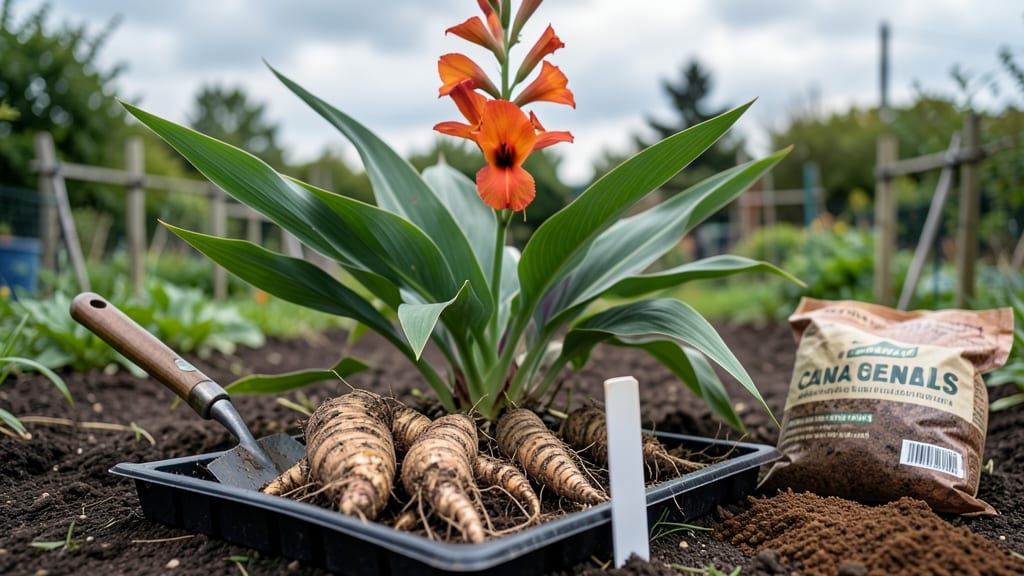
Planting your 🌺 Canna Lily bulbs at the wrong time in Nebraska could mean missed summer blooms or wasted effort—so timing is everything.
With USDA Zone 5b frost dates lingering into mid-April, waiting until the soil warms to 60°F (usually mid-May to early June) is your best bet for vibrant growth.
Why risk stunted plants or late-season flowers? The key is understanding Nebraska’s frost-free window—just 165 days long—and how to maximize it. I’ll show you exactly when to plant, how to prep your bulbs, and even how to extend your Canna Lily’s bloom time well into fall.
Whether you’re a first-time gardener or a seasoned pro, these foolproof tips will help you avoid common mistakes like planting too early (risking frost damage) or too late (cutting bloom time short). Let’s get those tropical beauties thriving in your Nebraska garden!
From soil prep to companion planting, I’ve got you covered—so you can enjoy bold summer blooms from July until frost. Ready to transform your garden? Let’s dive in.
Nebraska’s frost-free zones & exact planting dates for canna bulbs
Nebraska’s USDA hardiness zones 4-7 create a tricky balance for canna lilies, which thrive in warmth but need precise timing to avoid frost damage. These tropical tubers demand consistent soil temperatures above 60°F to sprout, making frost-free dates your planting deadline.
In Nebraska, those dates vary dramatically—from mid-April in southern zones to late May in northern regions, creating a 6-week window that can make or break your blooms.
Planting too early risks frost-killed tubers, while late planting delays the vibrant summer display you crave. Canna bulbs need 90-120 days of warm weather to mature, so timing isn’t just about frost—it’s about giving your plants enough growing time before Nebraska’s first fall frost (typically mid-October).
Let’s break down the exact frost-free zone timelines for each Nebraska region and how to adjust for microclimates that can shift your planting window by weeks.
⚠️ Critical Note: Canna bulbs cannot tolerate frost at any growth stage. Even young shoots will die back if temperatures dip below 32°F. Use these zone-specific dates as your minimum safe planting window, then add 2-3 weeks of buffer time for slower-warming soils in northern Nebraska.
| USDA Zone | Avg. Last Frost | Safe Planting Window | Soil Temp Requirement | First Bloom Window | Microclimate Adjustment |
|---|---|---|---|---|---|
| Zone 4 (Western Panhandle) | May 10-15 | May 25 - June 5 | 60°F+ (consistent) | Late July - Mid-Sept | Add 10 days for high-elevation areas |
| Zone 5 (Lincoln, Omaha) | April 25 - May 5 | May 15 - May 30 | 60°F+ (consistent) | Early July - Late Sept | Urban areas: plant 5-7 days later |
| Zone 6 (Southeast NE) | April 10 - April 20 | April 25 - May 15 | 60°F+ (consistent) | Mid-June - Early Oct | River valleys: plant 7-10 days earlier |
| Zone 7 (Far Southeast) | March 25 - April 5 | April 10 - April 25 | 60°F+ (consistent) | Late June - Mid-Oct | Greenhouse-started: plant 2 weeks early |
For Zone 4 gardeners in western Nebraska, patience is key—your last frost average of May 10-15 means waiting until late May to plant cannas. Use black plastic mulch or row covers to warm soil faster, but never plant before soil reaches 60°F consistently.
In Zone 5 (Lincoln/Omaha), your April 25-30 planting window gives you a head start, but watch for late spring frosts that can still occur.
Southern Nebraska’s Zones 6-7 offer the earliest planting opportunities, with Zone 6 gardeners able to start as early as late April and Zone 7 growers potentially planting in mid-March in microclimates.
However, soil temperature is more critical than calendar dates—always check with a soil thermometer before planting. Even in warm zones, cool, wet springs can delay planting by weeks.
Microclimates play a huge role in Nebraska’s variable frost patterns. If you live near urban heat islands (like Omaha’s downtown), you can plant 5-7 days earlier than average. Conversely, high-elevation areas (like the Pine Ridge region) may need to delay
How to prepare canna bulbs for Nebraska’s short growing season
Nebraska’s variable spring temperatures can challenge tropical canna lilies, but with the right prep, you’ll get lush foliage and dramatic blooms from July until frost. Since cannas thrive in warm soil (60°F+), timing and preparation are everything.
I’ve planted cannas for years in USDA Zone 5b, and these steps have become my secret to success.
Start by chitting bulbs indoors 4-6 weeks before your last frost date (typically mid-May in Nebraska). This pre-sprouting method gives cannas a head start in our cool, slow-to-warm soils.
Place bulbs in a shallow tray with the eyes facing up, cover with damp peat moss, and keep in a bright, warm (70°F) spot—like a sunny windowsill or under grow lights.
Once sprouts reach 1-2 inches tall, it’s time to harden off tubers for 7-10 days. Move them outdoors to a shaded, sheltered spot during the day and bring them back inside at night.
This gradual adjustment prevents shock when you plant them in Nebraska’s unpredictable spring weather. Think of it as giving your cannas a mini vacation to toughen up.
Step-by-Step Pre-Planting Prep for Nebraska Cannas
- Step 1: Chit bulbs indoors 4-6 weeks before last frost (mid-April). Place in damp peat moss with eyes up in a warm (70°F), bright spot.
- Step 2: Hardening off for 7-10 days. Gradually expose to outdoor conditions during the day, protecting from wind and frost.
- Step 3: Test soil temperature—plant only when soil reaches 60°F+ (use a soil thermometer for accuracy). In Nebraska, this is usually late May to early June.
-
Step 4: Choose planting method:
- In-ground: Plant 2-4 inches deep, 12-18 inches apart in well-draining, rich soil with compost added.
- Containers: Use large pots (12"+ diameter) with drainage holes and fast-draining mix (50% potting soil, 50% perlite).
- Step 5: Mulch heavily (3-4 inches) with straw or shredded leaves to retain soil warmth and suppress weeds. In Nebraska’s hot summers, mulch also prevents soil from drying out too quickly.
For container gardening, Nebraska’s short season makes this a smart choice—you can move pots to a garage or shed before frost. Use black pots to absorb heat, and place them in south-facing locations for maximum warmth.
If you’re planting in-ground, amend the soil with compost and sand to improve drainage, as cannas hate soggy roots.
After planting, water deeply to settle the soil and encourage root growth. In Nebraska’s dry summers, cannas need 1-2 inches of water weekly, but avoid overhead watering to prevent fungal diseases.
Instead, use a soaker hose or drip irrigation to keep foliage dry. With these steps, your cannas will thrive despite Nebraska’s challenges and reward you with months of bold blooms.
Pro tip: If you’re in western Nebraska (Zone 4), consider planting cannas in containers and overwintering them indoors for an earlier start next spring. This extra effort can extend your bloom time by 3-4 weeks—worth it for those dramatic canna lily displays! 🌺