
Plants
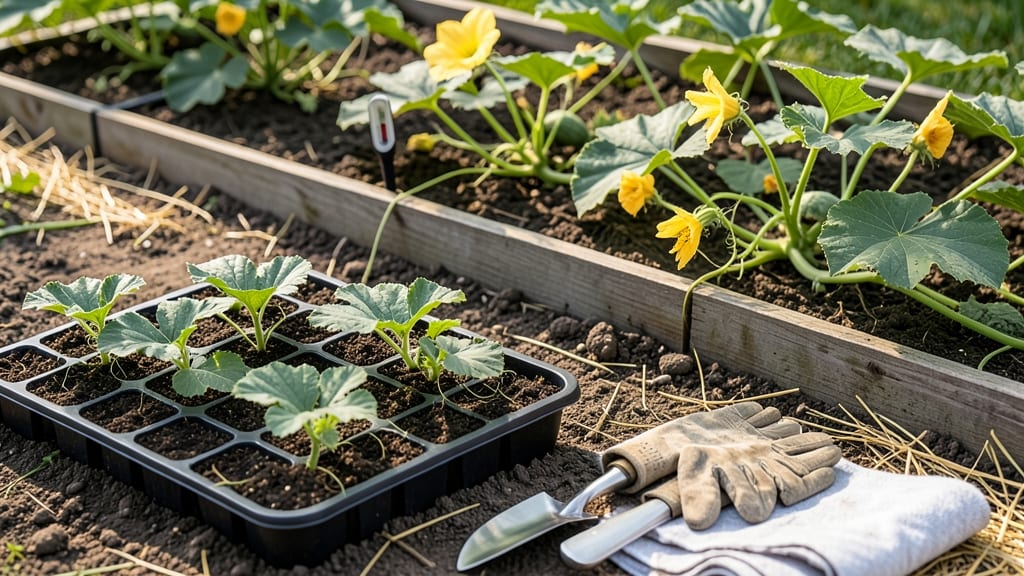
Planting cantaloupe in Oklahoma 🍉 at the wrong time means watching your hard work wilt before it ever ripens.
The difference between a bountiful harvest and a sad, shriveled vine often comes down to those critical weeks before the last frost—when soil temperatures finally cooperate and the risk of frost disappears for good.
Most Oklahoma gardeners wait until mid-April to early June, but that’s just the starting point. The real secret lies in soil warmth—70°F or higher is non-negotiable for cantaloupe seeds to germinate—and knowing your local frost dates.
In USDA zones 6b to 8a, that could mean waiting until late April in northern Oklahoma or planting as early as March in the southern panhandle.
Here’s what you need to know: direct-seeding is the way to go (no need for indoor starts), and black plastic mulch can shave 1-2 weeks off your waiting game by heating the soil faster.
But timing isn’t just about the calendar—it’s about watching for those first warm, sunny days when the air hums with possibility.
Skip the guesswork and master the exact window for your corner of Oklahoma. I’ll walk you through how to read your microclimate, adjust for urban heat islands, and set your cantaloupe vines up for a juicy summer harvest—no frost-induced heartbreak included.
Oklahoma’s last frost dates & ideal planting windows for cantaloupe
Oklahoma’s last frost dates vary dramatically between its northern and southern regions, creating distinct planting windows for cantaloupe. In USDA Zone 6b (northern OK), the average last frost occurs around April 15, while Zone 8a (southern OK) sees frost-free conditions by March 15.
These differences mean gardeners in the panhandle can plant weeks earlier than those in Tulsa or Oklahoma City.
Cantaloupes are warm-season crops that demand consistent temperatures above 70°F (21°C) for optimal germination. Planting too early risks frost damage or stunted growth, while waiting too late may shorten your harvest window. The ideal 2-3 week window before planting ensures your vines establish roots before summer heat peaks.
Urban areas like Oklahoma City (Zone 7a) typically experience their last frost around April 1, while rural areas in the same zone may see it 1-2 weeks earlier.
Heat islands in cities can also create microclimates where soil warms faster, allowing earlier planting in raised beds or black plastic mulch.
For most of Oklahoma, the ideal planting window falls between mid-April and early June, aligning with soil temperatures that support germination. In Zone 6b, wait until after April 15 to avoid frost, while Zone 8a gardeners can start as early as March 15 in protected microclimates.
Direct-seeding is preferred for cantaloupe, but if you start indoors, transplant seedlings after the last frost when they have 3-4 true leaves. Harden off seedlings for 7-10 days by gradually exposing them to outdoor conditions to prevent transplant shock.
Urban gardeners should monitor local weather forecasts, as city microclimates can create earlier frost-free conditions than rural areas. Raised beds with black plastic mulch can extend your planting window by 1-2 weeks in cooler zones by trapping heat and accelerating soil warming.
After planting, maintain consistent moisture and mulch heavily to retain soil warmth. Cantaloupes need 8-10 hours of sunlight daily, so choose a location with full sun exposure. In Oklahoma’s intense summer heat, provide afternoon shade to prevent fruit from sunscald.
Remember that cantaloupes require 60-90 days to mature, so late plantings may not yield fruit before the first frost. Plan accordingly to maximize your harvest window between July and September in most of Oklahoma.
🌿 For gardeners in transitional zones, consider cold-hardy varieties like ‘Athena’ or ‘Hale’s Best’, which tolerate cooler soils better than traditional cantaloupes. These varieties can push your planting window 1-2 weeks earlier with minimal risk.
How to extend your cantaloupe season in Oklahoma: cold protection & early varieties
Oklahoma’s short growing season can limit cantaloupe harvests, but with the right strategies, you can push your season earlier or extend it later than usual. Cold-sensitive cantaloupes need consistent warmth to thrive, so protecting them from late spring frosts or early fall chills is key.
I’ve tested these methods in my USDA Zone 7b garden and seen 2-3 extra weeks of harvest time!
One of the easiest ways to start cantaloupes earlier is by choosing cold-hardy varieties like ‘Athena’ or ‘Hale’s Best’. These varieties tolerate cooler soil temperatures better than standard types, giving you a head start on the season.
Pair them with soil warming techniques, and you’ll create the perfect conditions for faster germination and earlier fruit set.
🌱 PROS-CONS BOX: Extending Your Cantaloupe Season
• Easy to install
• Reusable
• Reduces airflow
• Allows sunlight
• Lightweight
• Can trap humidity
• Faster maturity
• Disease-resistant
• May need extra warmth
• Suppresses weeds
• Reusable
• Can dry soil
For late-season extensions, focus on soil insulation and wind protection. Lay down straw mulch around your plants in early October to insulate roots from cool night temperatures.
I’ve also had success using cold frames or low tunnels to trap heat during the day and release it slowly at night, adding 10–14 extra days to my harvest window.
If you’re planting cantaloupes in early spring, combine row covers with black plastic mulch for the best results. The mulch warms the soil while the row cover protects young plants from unpredictable late frosts.
This combo has helped me start seeds 2 weeks earlier without risking frost damage. Just remember to remove covers once plants are established to prevent overheating.
My top recommendation? Start with ‘Athena’ cantaloupe—it’s my go-to for early planting because it handles cooler soils better than most varieties. Pair it with black