
Companion Plants
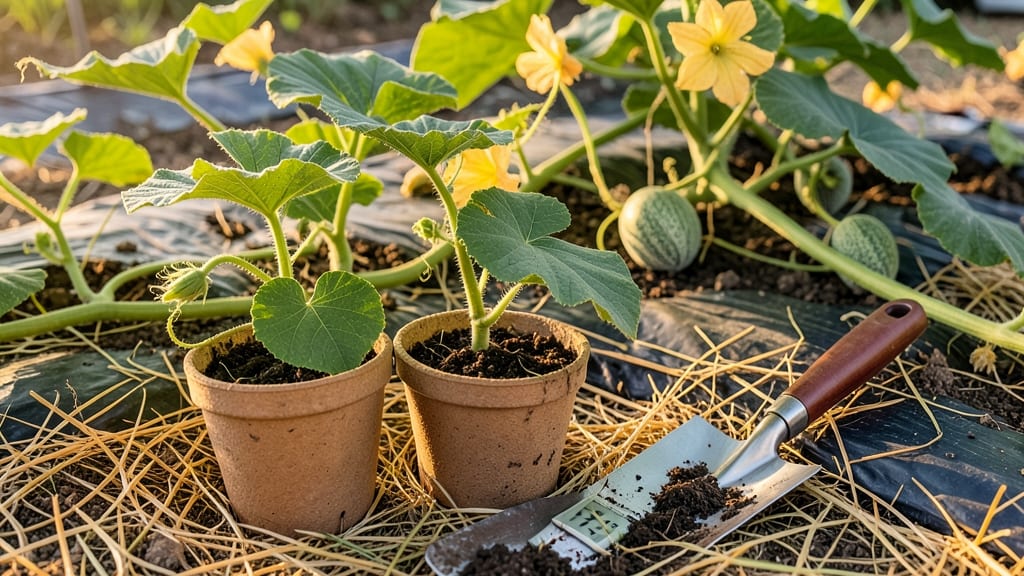
Planting cantaloupe in Pennsylvania at the wrong time means soggy seeds or stunted vines—neither of which ends with sweet, juicy 🍈 harvests. The key to success lies in waiting until the soil warms to at least 70°F and all frost risk has vanished, typically between mid-April and late May.
Most gardeners in zones 5-7 rush to start seeds indoors too early, only to face transplant shock when temperatures dip. I’ve learned the hard way that cantaloupes need consistent warmth to thrive, and planting too soon is a recipe for disappointment.
In this guide, I’ll break down the exact weeks before your last frost to plant cantaloupe—whether you’re starting seeds indoors or sowing directly—plus regional tweaks for Pittsburgh’s cooler springs versus Philadelphia’s earlier warm-ups.
You’ll also discover how to prep your soil, choose the right companions, and extend your growing season for a harvest that stretches from July to September. Let’s get those vines off to the best possible start!
Pennsylvania’s last frost dates and best planting weeks for cantaloupe
Cantaloupes need warmth to thrive, and Pennsylvania’s last frost dates vary dramatically from the Poconos (Zone 5) to Philadelphia (Zone 7). Planting too early risks frost damage, while waiting too long cuts your harvest window. Here’s how to pinpoint the perfect timing for your region.
Most of Pennsylvania experiences its last spring frost between April 15-30, but mountainous areas like Erie or Scranton can see frost as late as May 15.
Southern regions like Pittsburgh or Harrisburg typically reach frost-free conditions by April 20. Use these dates as your starting point—but don’t rush!
Soil temperature is critical: cantaloupe seeds won’t germinate until the soil reaches 70°F. In Pennsylvania, this usually happens 2-4 weeks after the last frost, depending on your microclimate. For example, Philadelphia’s soil hits 70°F around May 10, while State College’s soil warms more slowly, often by May 25.
Here’s your regional planting guide, including exact weeks before last frost to plant seeds vs. transplants, plus soil temperature benchmarks:
For direct-seeded cantaloupes, wait until the soil is consistently 70°F+—this usually means 2-3 weeks after your last frost date. If you’re using transplants, you can plant them 1-2 weeks earlier (they’re hardier), but always use frost cloth for protection in Zone 5 areas.
Pro tip: Use a soil thermometer to confirm warmth. If your soil is below 70°F, seeds may rot in the ground. In cooler regions like the Poconos, consider starting seeds indoors in late April and transplanting after Memorial Day.
Need a localized frost-free date? Check the National Weather Service’s climate data for your city or use the Almanac’s Frost Calculator (enter your ZIP code for precise dates). Even a 5-mile elevation change can shift frost dates by 3-5 days.
Once you’ve planted, mulch heavily to retain soil heat and water. Cantaloupes are heat-loving—if summer temperatures dip below 75°F for extended periods, yields will suffer. In Zone 7 areas, you can even squeeze in a second planting in early July for a late-summer harvest!
Remember: Cantaloupes need space—give vines 3-6 feet of diameter to sprawl. If you’re short on ground space, try container growing with 5-gallon buckets, but ensure they’re in full sun and the soil warms quickly.
With these region-specific guidelines, you’ll avoid the two biggest mistakes: planting too early (frost damage) or too late (small, bitter fruit). Sweet, ripe cantaloupes are worth the wait—just follow the soil’s lead! 🍈
Step-by-step planting schedule for maximum cantaloupe yield in PA
Cantaloupes need warm soil and consistent heat to thrive, so timing your planting is critical in Pennsylvania’s variable climate. Whether you start seeds indoors or sow directly, following this week-by-week schedule ensures your vines establish strong roots before summer’s peak.
I’ve included soil prep tips and companion planting strategies to maximize your harvest.
For Pennsylvania’s USDA zones 5-7, the ideal window to plant cantaloupe is 2-3 weeks after your last frost date—typically mid-to-late May in most regions. However, soil temperature matters more than calendar dates. Use a soil thermometer to confirm the ground has warmed to at least 70°F before planting.
If your soil is cooler, wait—cantaloupe seeds won’t germinate below 60°F, and slow starts lead to weak plants.
📅 Your Cantaloupe Planting Timeline
- 1 4-6 Weeks Before Last Frost (Early April)
- 2 Start seeds indoors in biodegradable pots with sterile seed-starting mix. Keep under grow lights (14-16 hours/day) or on a sunny windowsill.
- 3 Hardening off seedlings 7-10 days before transplanting. Acclimate by placing them outside for 2-3 hours daily, gradually increasing exposure.
- 4 2-3 Weeks After Last Frost (Mid-May): Transplant seedlings into well-draining soil amended with compost and a balanced 10-10-10 fertilizer. Space plants 3-4 feet apart in hills for better drainage.
- 5 Direct sow seeds in late May to early June if your soil is warm enough. Plant 2 seeds per hill, 1 inch deep, and thin to the strongest seedling. Use black plastic mulch to warm soil faster.
- 6 Companion plant with bush beans, corn, or marigolds to deter pests like cucumber beetles. Avoid planting near potatoes or fennel, which stunt growth.
- 7 Mulch heavily with straw or grass clippings to retain moisture and suppress weeds. Water deeply at the base every 2-3 days, aiming for 1-2 inches per week. Reduce watering as fruits mature.
- 8 Harvest in July-September when the rind turns cream-colored, the stem slips easily, and the fruit smells sweet near the blossom end. Use a sharp knife to avoid damaging vines.
If you’re in northern PA (zones 5-6), like Erie or Scranton, consider using row covers or cold frames to extend your season. Plant early varieties like ‘Hale’s Best’ or ‘Ambrosia’, which mature in 70-75 days.
For southern PA (zones 6-7), like Philadelphia or Pittsburgh, you can push your planting window into early June for a late-summer harvest. Just be prepared to protect plants from late-season frosts with row covers or cloches if needed.
Pro tip: Test your soil pH before planting—cantaloupes prefer 6.0-6.8. If your soil is too acidic, amend it with lime 4-6 weeks before planting. I’ve also had success using drip irrigation to keep moisture