
Plants
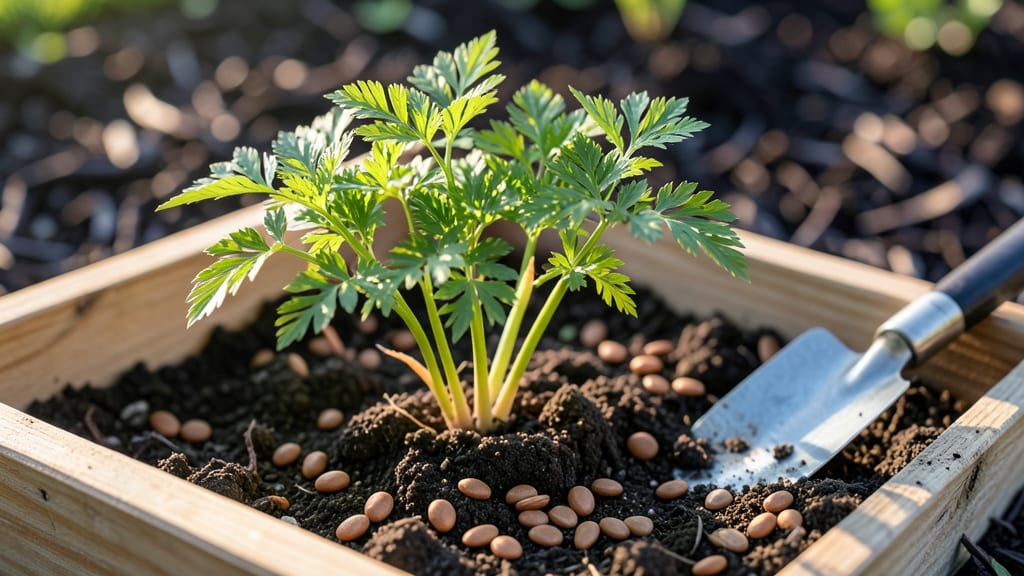
Planting carrot seeds at the wrong time in Zone 7 can turn your crisp, sweet dreams into bitter, woody disappointments—so timing is everything. The key to success lies in understanding your climate's unique rhythm, where early spring and late summer offer the perfect windows for planting 🥕 that thrive.
Most gardeners in Zone 7 rush to plant too early, only to watch their seeds bolt in the heat or rot in cold soil. But when you get it right—like in March-April or August-September—you’ll enjoy harvests from June through November.
I’ll show you exactly when to start seeds indoors or directly in the garden for foolproof results.
Whether you’re a beginner or a seasoned grower, mastering these timing secrets means fewer wasted seeds and more homegrown carrots on your table. Let’s break down the best planting schedules, soil prep tricks, and how to avoid common mistakes that sabotage even the most eager gardeners.
Ready to grow carrots that actually taste fresh? The first step is knowing when to plant—and I’ve got the exact schedule to make it happen. Let’s dig in.
Optimal spring planting schedule for Zone 7 carrots
Timing your carrot seeds in Zone 7 requires precision—plant too early and they’ll bolt in spring heat; too late and summer’s sweltering temperatures will stunt growth. My perfect window starts when soil hits 50°F and ends before daytime temps hit 80°F consistently.
This means late March to mid-April for most Zone 7 gardeners, but microclimates (like shaded beds) can shift these dates by 1-2 weeks.
Carrots are cool-season crops that hate heat stress. When daytime temps exceed 75°F for more than a week, they’ll bolt (flower prematurely) or develop woody, bitter roots. My trick?
Start seeds indoors 4-6 weeks before your last frost date (April 15 in Zone 7) to get a head start on the season. For direct sowing, I wait until soil temperatures stabilize at 50°F—use a soil thermometer to track this accurately.
| Planting Window | Soil Temp (°F) | Daytime Temp (°F) | Action | Notes |
|---|---|---|---|---|
| Late March | 45-50°F | 50-65°F | Start seeds indoors | Use seed trays with well-draining mix |
| Early April | 50-55°F | 60-70°F | Direct sow outdoors | Plant 1/4" deep, thin to 2" apart |
| Mid-April | 55-60°F | 65-75°F | Transplant seedlings | Hardening off for 5-7 days first |
| Late April | 60°F+ | 70-80°F | Last chance for spring | Use shade cloth if temps rise |
My go-to variety for spring planting is 'Danvers Half Long'—it tolerates moderate heat better than most and stores well. For bolting-prone varieties like 'Nantes', I plant them 2-3 weeks earlier to avoid heat stress.
Always pre-soak seeds for 24 hours before planting—they’re tiny and slow to germinate, and this trick boosts germination rates by 30%.
After sowing, I mulch heavily with straw or shredded leaves to keep soil temps stable and moisture consistent. This prevents the topsoil from overheating, which can cause seeds to dry out before germinating.
Water gently but deeply—1 inch per week—and avoid wetting the foliage to prevent fungal diseases like leaf blight. A drip irrigation system is my secret weapon for even moisture.
Watch for bolt-resistant signs: elongated stems, yellowing leaves, or flowers forming. If this happens, harvest immediately—the roots will still be edible but lose their sweetness and crispness.
My late-April plantings often bolt by June, so I prioritize succession planting every 2 weeks until early June to ensure a continuous harvest. This way, I always have fresh carrots before summer’s heat sets in.
For shady spots in your garden, opt for short-day varieties like 'Paris Market', which mature faster and tolerate partial shade. In full sun, I never plant after May 15—the heat will turn your carrots into woody, inedible sticks.
Instead, save those spots for fall planting, which I’ll cover in the next section. The key is cool soil and warm days, not the other way around.
Pro tip: Test your soil’s pH before planting. Carrots thrive in pH 6.0-7.0—if yours is too alkaline, amend with sulfur or peat moss 4-6 weeks before sowing.
Compacted soil leads to forked roots, so I always double-dig beds and mix in compost for loose, crumbly soil. This is non-negotiable for straight, sweet carrots.
Finally, rotate your planting locations yearly to prevent disease buildup in the soil. Carrots are heavy feeders, so I follow them with light-feeding plants like lett
Fall carrot planting secrets for Zone 7 success
Fall planting often yields sweeter, more flavorful carrots than spring because cooler temperatures slow down growth, allowing roots to develop natural sugars instead of bolting. In Zone 7, this strategy lets you harvest crisp roots well into November—or even through winter with proper protection.
The key is timing: plant too late, and frost will stunt your crop; too early, and summer heat will stress seedlings.
Most gardeners overlook fall planting, but it’s my top secret for extending harvests. By August, summer’s brutal heat fades, giving carrots the ideal 60-70°F soil they crave. This cooler window also reduces pest pressure, like carrot rust flies, which thrive in summer.
Plus, fall carrots often stay crisp longer when stored, making them perfect for holiday meals.
🌱 Zone 7 Fall Carrot Planting Timeline
- 📅 August 1-15: Start seeds indoors or direct-sow in well-drained soil (aim for 60°F+ soil temps). Use shade cloth if temps exceed 85°F.
- 📅 August 16-September 15: Final outdoor sowing window. Choose short-day varieties like 'Paris Market' or 'Danvers Half Long' for faster harvests.
- 📅 September 16-October 1: Last chance for succession planting. Mulch heavily to protect from early frosts (aim for 50-60 days to harvest before first frost).
- 📅 October 2-November 15: Harvest before ground freezes. Use row covers to extend harvests into December if mild winters occur.
For Zone 7 gardeners, the absolute last planting date is September 15—any later, and roots won’t mature before frost. I recommend succession sowing every 2 weeks from August 1 to September 1 to stagger harvests.
This way, you’ll always have fresh carrots, even when summer crops fade. Pro tip: Mix seeds with sand for easier spacing, as carrots hate competition.
Don’t skip soil prep—fall carrots need loose, stone-free soil to prevent forking. Work in 2-3 inches of compost and avoid fresh manure, which can cause bolting. Test your soil’s pH (aim for 6.0-7.0), and if it’s too alkaline, add sulfur or peat moss.
I’ve found that raised beds work wonders for fall planting, as they warm up faster in spring and drain better in winter.
Extend your harvests through winter with row covers or cold frames. Light frosts (28°F) won’t harm carrots, but heavy freezes will. In my garden, I use floating row covers to protect plants until December 1, often yielding tender roots even in Zone 7’s chilly winters.
Just remember to remove covers on sunny days to prevent overheating. For extra insurance, plant short-season varieties like 'Early Nantes'—they mature in just 55 days!
Fall-planted carrots also store better than their spring counterparts. After harvest, cure roots in 50°F conditions for 2-3 days, then store in sand or sawdust in a cool, dark place.
I’ve kept homegrown carrots this way until March, with zero spoilage. The secret? Consistent moisture before harvest and gentle handling to avoid bruising—no one wants woody, pithy roots!