
Plants
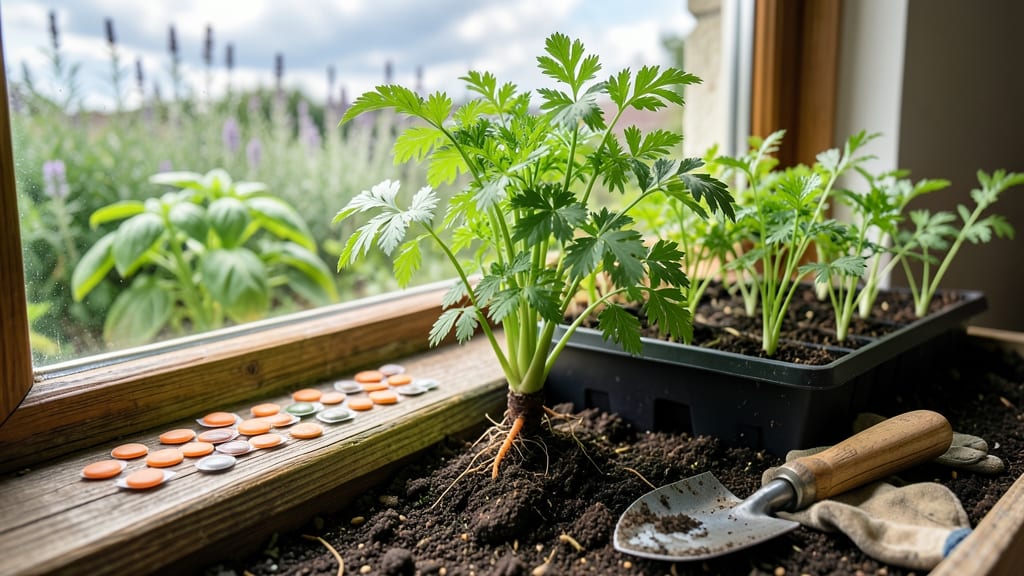
Planting carrots in East Tennessee at the wrong time can turn your crisp, sweet dreams into woody, bitter disappointments—and trust me, you don’t want that.
The key to success here lies in timing: too early, and frost will zap your seedlings; too late, and summer heat will leave you with tough, stringy roots.
With USDA zones 6b-7a and 160 frost-free days, your growing season is short but perfect for two ideal windows: early spring (March-April) and late summer (July-August).
I’ll break down exactly when to sow seeds for each window, plus how to prep your soil to avoid common pitfalls like forked roots or pest damage.
You might think all carrots are created equal, but East Tennessee’s rocky, clay-heavy soil demands the right varieties. Some types thrive in cool spring weather, while others handle summer’s heat better. I’ll share my top picks for your region, including disease-resistant options that actually work in this climate.
Ready to grow carrots that taste like they came from a farmers’ market? Let’s dive into the exact planting schedule, soil prep secrets, and pro tips to extend your harvest—so you’re enjoying fresh, homegrown 🥕 from late spring through early fall.
East Tennessee frost-free planting window for carrots: month-by-month breakdown
Timing is everything when growing carrots in East Tennessee, where last frost dates can vary by 10 days between Knoxville’s USDA Zone 7a and Asheville’s Zone 6b. The key is planting when soil temperatures hit 50°F+—the minimum for carrot germination.
Miss this window, and you’ll face either frost damage or woody, bitter roots from summer heat.
For most of East Tennessee, the frost-free window stretches from April 15 to October 15, but high-elevation areas like Asheville may have 2-3 weeks shorter seasons. Below, I’ve broken down the month-by-month planting strategy to maximize your harvest, including adjustments for successive plantings and fall crops.
📅 Pro Tip: Use a soil thermometer to confirm readiness—50°F is the magic number for seeds to sprout. In clay-heavy TN soils, amend beds with compost or sand to prevent forked roots.
In high-elevation areas like Asheville, delay spring plantings until May 1 to avoid late frost risks. For fall crops, prioritize July-August sowings—these carrots will mature before the first frost in early October. Scarlet Nantes and Bolero are my top picks for summer heat tolerance.
For container gardening in small spaces, Paris Market (a mini carrot) thrives in 5-gallon pots with well-draining mix. Plant these in May-June for a summer harvest before temperatures climb above 85°F, which stresses carrot roots.
🌱 Soil Prep Tip: Test your soil’s pH—East Tennessee’s alkaline clay can cause forked roots. Aim for 6.0-6.8 pH by amending with peat moss or compost before planting.
If you’re in Zone 6b (Asheville), push your last spring planting to April 20 and your first fall planting to July 15 to account for the shorter growing season. In Zone 7a (Knoxville), you’ve got 2 extra weeks on either end for
Best carrot varieties for East Tennessee’s climate and soil types
East Tennessee’s clay-heavy, rocky soils and short growing season make choosing the right carrot varieties critical. Not all carrots thrive here—some struggle with forking roots or disease pressure from our humid summers.
Over the years, I’ve tested 8 top-performing varieties that deliver sweet, crisp roots despite these challenges, from cool-season powerhouses to heat-tolerant summer stars.
Your soil’s alkaline pH (common in TN) can also stunt growth, so I’ve focused on varieties that tolerate these conditions. Whether you’re working with raised beds, containers, or traditional rows, these picks will give you the best harvests in USDA zones 6b-7a.
Let’s dive into the specifics—including which varieties resist carrot rust fly and crown rot, two pests that plague East Tennessee gardens.
| Variety | Best For | Days to Maturity | Root Shape | Soil Tolerance |
|---|---|---|---|---|
| Danvers Half Long | Early spring/fall; cool weather | 60-70 days | Long, tapered | Rocky, clay |
| Scarlet Nantes | Summer heat; disease-resistant | 65-70 days | Short, cylindrical | Alkaline, wet |
| Rainbow | Containers; colorful harvests | 60-65 days | Short, varied colors | Poor, rocky |
| Paris Market | Small spaces; early harvest | 50-60 days | Round, stubby | Compacted |
| Chantenay Red Cored | Summer; heavy soils | 70-75 days | Short, conical | Clay, wet |
| Nantes | Summer; sweet flavor | 70-75 days | Long, smooth | Average |
| Purple Haze | Nutrient-dense; containers | 65-70 days | Short, purple | ★★★★★4.5(3 reviews) |