
Companion Plants
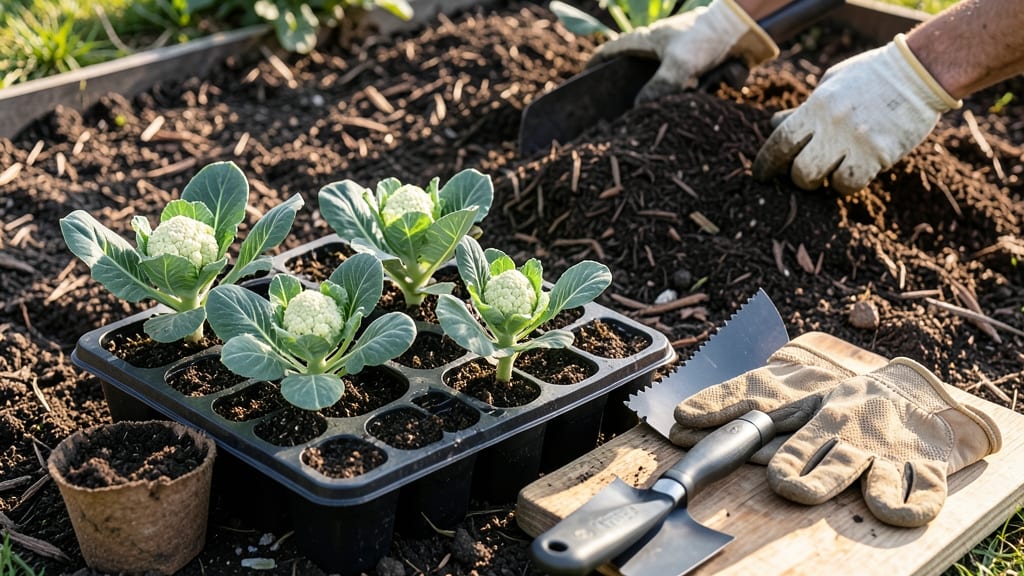
Timing your 🥬 cauliflower planting in Pennsylvania isn’t just about the calendar—it’s about the soil temperature math that keeps your plants from bolting or freezing.
Too early, and frost will turn your seedlings into sad, wilted memories; too late, and summer’s heat sends them shooting up flowers before you even get a head. But get it right, and you’ll harvest those snowy-white crowns like a pro.
Most Pennsylvania gardeners know the basics—spring and fall are the windows—but the exact dates depend on where you live in zones 5b-7a. In Pittsburgh, you might plant in early April, while Philly gardeners wait until mid-May.
The trick? Soil needs to be 50–60°F and frost-free for 60+ days to maturity. Miss that, and you’re playing a risky game of agricultural roulette.
Here’s the game-changer: succession planting in late July for a fall crop, paired with heat-tolerant varieties like ‘Graffiti’ or ‘Snowball Y Improved.’ These picks thrive in PA’s long summer days without bolting prematurely.
I’ll break down the precise timing for your region, plus how to tweak your schedule for zero-bolt success—no guesswork, just results.
Ready to stop second-guessing and start harvesting? Let’s dive into the frost-free math that turns Pennsylvania’s unpredictable climate into your cauliflower-growing advantage.
Perfect cauliflower planting windows in PA: soil temp & frost-free dates
Pennsylvania’s diverse microclimates mean your cauliflower planting window could vary by 3-4 weeks from Philadelphia to Erie. The key to zero-bolt success lies in soil temperature (50-60°F) and frost-free date math.
Get this wrong, and you’ll either lose seedlings to cold or watch heads bolt before harvest. Let’s break down the exact timing for your region.
Cauliflower thrives in cool seasons and hates extreme heat or late frosts. In PA’s USDA Zones 5b-7a, your last frost date typically falls between late March (Zone 7a) and early May (Zone 5b).
Meanwhile, your first frost arrives anywhere from late October (Zone 7a) to early November (Zone 5b). These dates dictate your two planting windows: spring and fall.
Here’s the non-negotiable rule: Soil must reach 50-60°F before planting. Use a soil thermometer—cold soil slows germination, while soil too warm (above 70°F) triggers bolting.
In Pittsburgh (Zone 6a), aim for mid-April for spring; in Philadelphia (Zone 7a), you can start as early as late March. For fall, count back 10-12 weeks from your first frost.
🌱Pro Tip: Use black plastic mulch to warm soil faster in spring or shade cloth to cool roots in summer. Both tricks help you squeeze in extra planting days.
| Region | Last Frost Date | First Frost Date | Spring Planting Window | Fall Planting Window | Soil Temp Goal |
|---|---|---|---|---|---|
| Philadelphia (Zone 7a) | Late March | Late October | Late March - Mid-April | Mid-July - Early August | 50-60°F |
| Pittsburgh (Zone 6a) | Mid-April | Early November | Mid-April - Early May | Late July - Early August | 50-60°F |
| Erie (Zone 5b) | Early May | Mid-October | Early May - Late May | Early August - Mid-August | 50-60°F |
For spring plantings, start seeds indoors 6-8 weeks before your last frost. Transplant seedlings 4-6 weeks before the last frost when soil hits 50°F.
In Pittsburgh, that’s late April; in Erie, wait until early May. Fall plantings require more precision: sow seeds 10-12 weeks before your first frost. In Philadelphia, that’s mid-July; in Erie, aim for early August.
🌿Regional Hack: If you’re in Zone 6a (Pittsburgh) or colder, opt for early-maturing varieties like 'Snowball Y Improved' (60 days) to beat the heat. In Zone 7a (Philadelphia), you can stretch to Graffiti (80 days) for a late fall harvest.
Don’t overlook succession planting—sow new seeds every 2-3 weeks in spring or every 3 weeks in fall to extend your harvest. This works especially well in Philadelphia’s longer growing season, where you might squeeze in two full harvests if you start early and late.
💧Soil Prep Matters: Cauliflower craves rich, slightly acidic soil (pH 6.0-6.8). Amend your beds with compost and aged manure before planting. In heavy clay soils (common in Pittsburgh), mix in sand or peat moss to improve drainage—waterlogged roots invite rot.
Finally, monitor weather forecasts
How to avoid cauliflower bolting: heat & daylength hacks for PA gardens
Pennsylvania’s long summer days and warm temperatures can send cauliflower into a bolting frenzy, turning your perfect heads into bitter, seed-stalked disappointments. The key to preventing this? Understanding how daylength and heat trigger bolting—and how to outsmart them with the right strategies.
In PA’s USDA zones 5b-7a, where summer days stretch past 14 hours of light, timing and variety selection become critical.
Cauliflower is a cool-season crop that bolts when exposed to prolonged heat or extended daylight. Once it bolts, those tender curds you’ve been nurturing turn woody and inedible.
The good news? With shade cloth, succession planting, and heat-tolerant varieties, you can cheat the system and enjoy zero-bolt harvests all season long.
⚠️ CAUTION: BOLTING TRIGGERS IN PA GARDENS Heat + Long Daylight = Bolting Disaster Pennsylvania’s summer days often exceed 15 hours of sunlight, which signals cauliflower to bolt. Even if your soil stays cool, extended daylight can trigger flowering.
The worst offenders? 'Purple of Sicily' (bolts fastest) and standard green varieties. For heat-tolerant options, opt for 'Snowball Y Improved' or 'Graffiti', which handle PA’s summer conditions better. 🌱
To prevent bolting, start by planting your spring crop 4-6 weeks before your last frost date (typically mid-March to early April in most of PA). For a fall harvest, sow seeds 8-10 weeks before your first frost (usually late July to early August).
This timing ensures heads form before summer’s heat and long days kick in. But here’s the hack: if you’re planting in June or July, use 30-40% shade cloth to mimic cooler conditions and delay bolting.
Succession planting is your best friend in PA. Instead of one massive planting, try staggered sowings every 2-3 weeks from March to June. This spreads out your harvest and ensures some plants mature before the bolting window opens (usually late June to August).
Pair this with heat-tolerant varieties like 'Cheddar', which handles 80°F+ temperatures better than traditional types.
Watering strategy also plays a role. Cauliflower needs consistent moisture, but overhead watering in heat can stress plants and accelerate bolting. Instead, use drip irrigation or soaker hoses to keep roots cool and soil evenly moist.
Mulch with straw or grass clippings to retain moisture and shield roots from temperature swings. Avoid fertilizing heavily during peak summer heat, as excess nitrogen can speed up bolting.
If you’ve already planted and notice tall stems or yellowing leaves, don’t panic. Some varieties (like 'Graffiti') produce edible side shoots even after bolting. For others, harvest any formed heads immediately and compost the rest.
Next season, adjust your planting timeline or shade strategy—with these hacks, you’ll be enjoying perfect cauliflower curds instead of bitter stalks. 🥬