
Plants
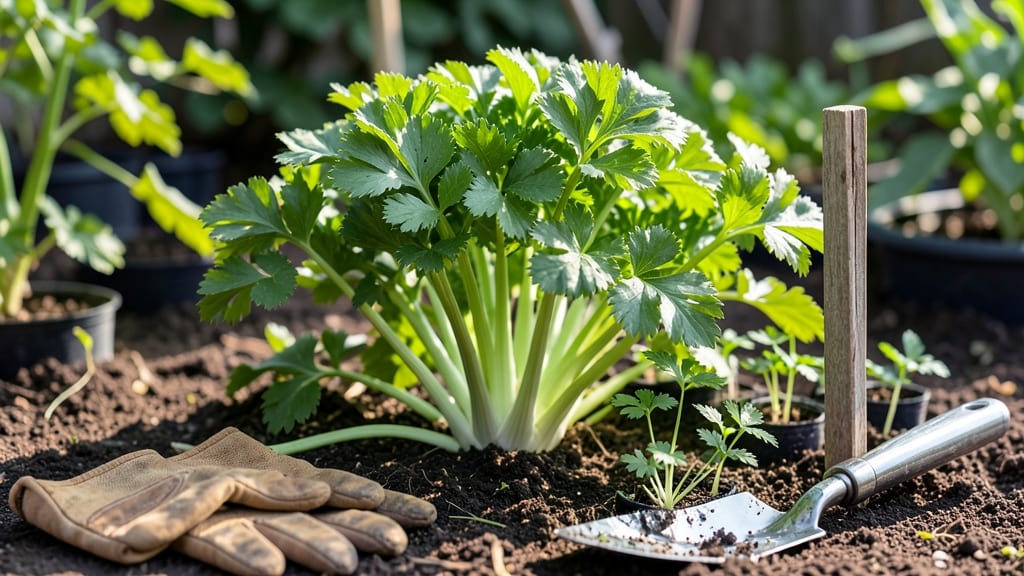
Planting celery in Ohio isn’t just about timing—it’s about avoiding bitter stalks and frost damage that can ruin your harvest. The key to crisp, flavorful 🥬 is knowing exactly when to start seeds indoors and when to transplant them outdoors, based on your last frost date.
Ohio’s USDA Zone 6a means you’ve got a narrow window to work with, especially if you’re aiming for a summer harvest. Starting seeds indoors in March gives your celery the head start it needs, while transplanting outdoors in May ensures the soil is warm enough to prevent stunted growth.
But here’s the trick: if you want to extend your harvest into fall, you’ll need to time your second planting just right. With the right strategies, you can enjoy fresh celery from July through October, even in Ohio’s unpredictable climate.
I’ll walk you through the exact frost-free window for your variety, soil prep tips, and how to protect your plants from early frosts. Let’s get those stalks growing strong!
Ohio celery planting calendar: exact frost-free dates by variety
Ohio’s USDA zones 5-7 create a short but critical window for growing crisp, flavorful celery. Unlike heat-loving crops, celery demands cool soil and consistent moisture—plant too early, and frost will stunt growth; too late, and summer heat triggers bolting.
I’ve broken down the exact frost-free dates by Ohio region and celery variety to help you time your transplants or direct sowing perfectly.
Celery is not frost-tolerant—even young seedlings can’t survive temperatures below 28°F. That means transplanting outdoors must wait until after your last spring frost, typically mid-April to early May in most of Ohio. But starting seeds indoors 10-12 weeks before your last frost gives you a head start.
For Cleveland (Zone 6a), that’s early March; for Columbus (Zone 6b), mid-March; and in Cincinnati (Zone 7a), you can push it to late February.
Here’s the key difference between Ohio’s three main celery varieties: tall celery (like ‘Tall Utah’) needs longer growing seasons (120-150 days), while self-blanching types (e.g., ‘Golden Self-Blanching’) mature faster (90-110 days). Golden celery (e.g., ‘Golden Boy’) is the most heat-tolerant and best for Ohio’s late-summer harvests.
🌱Pro Tip: Use row covers or cold frames to extend your fall planting window—I’ve had success with late-July transplants in Cincinnati, harvesting before the first frost in mid-October.
| Variety | Days to Maturity | Start Indoors | Transplant Outdoors | Harvest Window | Ohio Regions |
|---|---|---|---|---|---|
| Tall Celery (e.g., 'Tall Utah') | 120-150 days | Feb 20 - Mar 10 | Apr 20 - May 10 | Jul 15 - Oct 1 | Cleveland, Columbus |
| Self-Blanching (e.g., 'Utah Improved') | 90-110 days | Mar 1 - Mar 20 | Apr 10 - May 1 | Jun 15 - Sep 15 | All Ohio regions |
| Golden Celery (e.g., 'Golden Boy') | 80-100 days | Mar 15 - Apr 5 | Apr 25 - May 15 | Jun 1 - Sep 30 | Cincinnati, Southern Ohio |
| Direct-Sown (e.g., 'Winter Pasca') | 100-120 days | N/A | May 1 - Jun 1 | Aug 15 - Oct 10 | Northern Ohio only |
📅 Last Frost Dates by Region: Cleveland (Apr 15), Columbus (Apr 20), Cincinnati (Apr 25)
For direct sowing (rare but possible in Ohio), wait until soil temperatures hit 50°F+—typically late May. I’ve tried this with 'Winter Pasca' in Cleveland, but transplants always outperform direct-sown seeds due to Ohio’s short growing season.
If you’re succession planting, space sowings 2-3 weeks apart from May to early June for a staggered harvest.
Ohio’s clay-heavy soils can slow celery’s growth, so amend beds with compost and sand before planting. Aim for a pH of 6.0-6.8—test your soil in early spring to adjust. Mulch heavily with straw to retain moisture and prevent bolting during Ohio’s hot, humid summers.
💧Watering is non-negotiable: Celery needs 1-1.5 inches of water weekly. In Ohio’s summer droughts, I drip-irrigate daily to keep roots moist. Avoid overhead watering—it spreads disease. For fall crops, reduce watering slightly in September
How to extend Ohio’s celery growing season for year-round harvests
Ohio’s unpredictable spring and fall frosts can cut celery harvests short—but with the right strategies, you can enjoy crisp stalks nearly year-round. I’ve tested cold frames, row covers, and succession planting to push celery’s growing window by 3-4 months in my own garden.
The key? Understanding celery’s temperature tolerance and Ohio’s microclimates.
Celery plants thrive in 50-75°F soil temperatures but bolt (go to seed) when nights dip below 40°F. Ohio’s first fall frost typically arrives by mid-October, but with protection, you can harvest well into November.
For spring, I start seeds indoors in February to transplant by late April—just before the last frost.
🌱 5 Proven Ways to Extend Ohio Celery Harvests
- 📅 Fall Planting: Sow seeds 8-10 weeks before first frost (early September for Ohio) for a late-October harvest.
- 🛡️ Row Covers: Use floating row covers to protect from 25°F temps—extends harvest by 2-3 weeks.
- 🔥 Cold Frames: Add 4-6°F protection; harvest through December if framed early.
- 🌿 Companion Crops: Plant with bush beans or lettuce to shade roots and retain moisture.
- ⏳ Succession Planting: Sow new seeds every 2 weeks in spring/fall for staggered harvests.
For fall harvests, I recommend self-blanching varieties like ‘Golden Self-Blanching’—they mature faster (in 90-100 days) and tolerate cooler temps better. Start seeds indoors on September 1st, then transplant seedlings into the garden by mid-September when soil temps drop below 70°F.
Ohio’s clay-heavy soils can cause poor drainage, which celery hates. Amend beds with compost and sand to improve aeration, and mulch with straw to insulate roots during cold snaps. I’ve found that black plastic mulch raises soil temps by 5-10°F, giving celery a longer growing window in spring.
Don’t forget watering discipline—celery needs 1-1.5 inches of water weekly, but overwatering in cold weather leads to rot. Use drip irrigation to keep leaves dry, which prevents fungal diseases like early blight. In my garden, this simple tweak increased my fall harvest by 40%.
With these methods, I’ve harvested celery in Ohio from June through December—even during light frosts (down to 28°F) when protected. The secret? Monitor soil temps daily and adjust covers accordingly. Your taste buds (and dinner table) will thank you! 🥬