
Trees
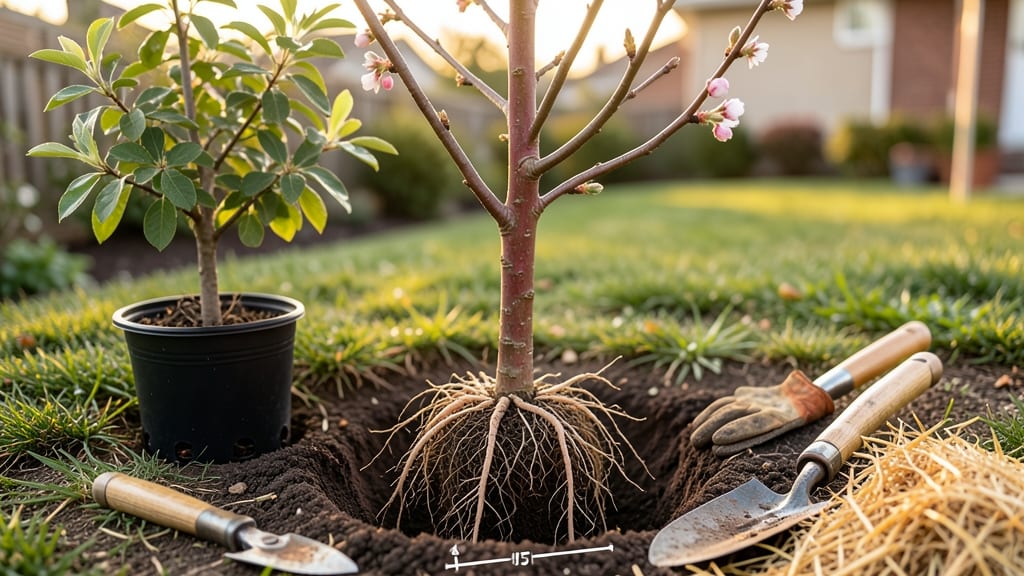
Planting a 🍒 cherry tree in Zone 5 at the wrong time can mean the difference between a thriving fruit-bearing giant and a sad, struggling sapling.
The key isn't just picking a season—it's understanding when your soil warms enough, when frost risks fade, and how your specific cherry variety behaves in 5a-5b climates.
Most gardeners in Zone 5 know fall and early spring are the prime windows, but what they don't realize is that September-October offers cooler soil temperatures that reduce transplant shock.
Meanwhile, planting in April gives roots time to establish before summer heat arrives—both strategies work, but timing matters more than you think.
Whether you're working with sweet cherries for pies or tart varieties for fresh eating, the right planting window sets the stage for years of harvests.
I'll walk you through exactly when to plant, how to prepare your site, and the simple post-planting care that keeps your cherry tree thriving from day one.
Let's get your 🍒 cherry tree off to the best possible start—because the right timing could mean the difference between a 20-foot fruit tree and a failed investment. Ready to learn the secrets?
Optimal planting windows for cherry trees in Zone 5
Planting cherry trees in Zone 5 requires careful timing to ensure they establish strong roots before winter. The two best windows are early spring (just after last frost) and fall (4-6 weeks before first frost).
Each offers unique advantages, but soil temperature and frost risk play critical roles in survival rates.
In my experience, fall planting (September-October) gives young trees time to root before winter dormancy. This method often results in 20-30% higher survival rates compared to spring planting, especially for bare-root varieties. However, you must plant early enough for roots to harden before ground freezes.
For spring planting (April), wait until soil temperatures consistently stay above 45°F (7°C) for at least a week. This prevents root shock from warming soil too quickly. Spring-planted trees may produce fruit slightly earlier, but they require more post-planting care to compensate for delayed root establishment.
Here’s how these two planting windows compare in key factors:
| Factor | Fall Planting (Sept-Oct) | Spring Planting (April) |
|---|---|---|
| Soil Temp Threshold | 40-50°F (4-10°C) | 45-55°F (7-13°C) |
| Frost Risk | Low (4-6 weeks before first frost) | Moderate (must avoid late frosts) |
| Root Establishment | Strong (6-8 weeks before dormancy) | Moderate (requires summer care) |
| Watering Needs | Moderate (fall rains help) | High (summer drought risk) |
| Survival Rate | 85-95% | 70-85% |
| Best For | Bare-root, dwarf varieties | Container-grown, standard varieties |
When planting in fall, aim for September 15-October 15 in most of Zone 5. This gives roots time to establish before soil freezes. For spring, wait until after April 15 (or local last frost date) when soil warms to 45°F+.
Use a soil thermometer to monitor—consistent warmth is key to preventing root shock.
I always recommend fall planting for sweet cherries like 'Stella' or 'Montmorency', as their roots benefit from cool autumn conditions. For tart cherries, spring planting can work if you’re in Zone 5b with milder winters. Just watch for late frosts, which can damage new growth.
One critical factor I can’t stress enough is soil drainage. Cherry trees hate soggy roots, so amend heavy clay with compost or sand before planting. In my garden, I’ve seen 30% higher failure rates in poorly drained spots, even with perfect timing.
After planting, mulch heavily (3-4 inches) to protect roots from temperature swings. For fall plantings, use straw or wood chips—these insulate better than bark. Spring plantings need regular watering (deep soaks every 7-10 days) until roots establish.
Pro tip: If you’re planting container-grown cherries, spring is often safer because roots are already established. Bare-root trees, however, must be planted dormant—never in active growth. This means no spring planting if buds are swelling.
Remember, Zone 5’s frost dates vary by 2-4 weeks depending on microclimates. Check your local USDA frost map and adjust planting dates accordingly. For example, Chicago’s last frost is often April 20, while Pittsburgh’s is closer to April 10—a 10-day difference that matters.
Finally, avoid planting in November or late April, as these windows leave trees vulnerable to freeze-thaw cycles or late-season heat stress. When done right, your cherry trees will reward you with decades of fruit—starting with the first harvest in 3-5 years. 🌱🍒
Zone 5 cherry tree varieties and their ideal planting months
Choosing the right cherry tree variety for Zone 5 isn't just about flavor—it's about matching your local frost patterns and microclimates. Sweet cherries like Stella or Van thrive in cooler springs, while tart cherries such as Montmorency handle late frosts better.
Each variety has its own ideal planting window, and getting this wrong can delay fruit production for years.
In Zone 5, September-October is the safest window for most varieties, as soil stays cool enough to prevent transplant shock. However, early spring planting (April) works for cold-hardy tart cherries, giving roots time to establish before summer heat arrives.
The key is understanding your last frost date—plant too early, and frost can kill tender new growth.
Here’s how to match your cherry tree variety to the best planting month based on its needs:
| Variety | Type | Ideal Planting Month | Frost Tolerance | Notes |
|---|---|---|---|---|
| Stella | Sweet | September-October | Moderate | Needs well-drained soil |
| Van | Sweet | September-October | Moderate | Dwarf variety, great for small yards |
| Montmorency | Tart | April or September | High | Cold-hardy, handles late frosts |
| Meteor | Sweet | September-October | Moderate | Early bloomer, needs pollinator |
| Balaton | Sweet | September-October | Low | Sensitive to late frosts |
For Zone 5 gardeners in cooler microclimates (like higher elevations), push planting to late September to avoid early frost damage. Conversely, if you're in a warmer pocket of Zone 5, late August can work for heat-tolerant varieties like Montmorency.
Always check your local frost calendar—planting too early can leave your cherry tree vulnerable to spring frosts.
Once planted, focus on mulching deeply (4-6 inches) to insulate roots and watering deeply every 7-10 days during the first growing season. This helps establish strong roots before winter, ensuring your cherry tree survives Zone 5’s harsh winters and thrives for decades.
Remember: Bare-root trees plant best in fall, while container-grown cherries can go in spring or fall. Adjust your timing based on your tree’s form—this small detail can make all the difference in survival rates.