
Plants
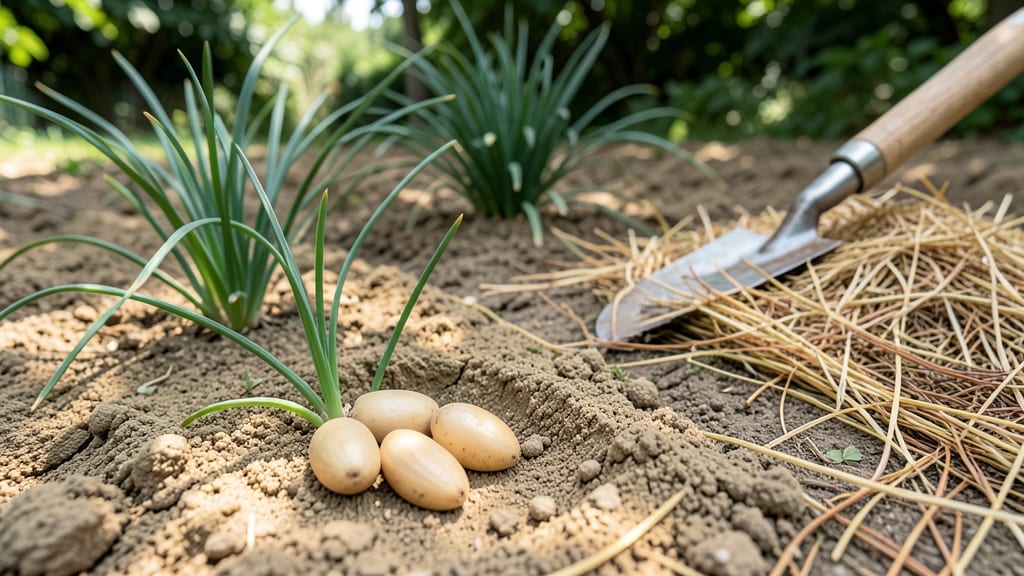
Planting chufa 🌾 in North Carolina at the wrong time can mean the difference between a bountiful harvest and a total flop—especially when your local heat zone demands precision timing.
The key is understanding that NC’s diverse climate (from Zone 6b to 8a) creates wildly different planting windows, and getting it wrong could leave your tubers struggling before they even mature.
If you’ve ever wondered why some gardeners in Raleigh swear by May planting while those in Asheville wait until June, it all comes down to frost dates and heat accumulation.
Chufa thrives in warm soil, so planting too early in cooler zones risks frost damage, while waiting too long in hotter areas can trigger early bolting. Let me show you exactly when to plant based on your specific NC county heat zone.
What you’ll discover here is a frost-free timeline tailored to NC’s microclimates, including soil prep tricks and how to adjust for unpredictable weather patterns. Whether you’re a first-time grower or a seasoned gardener, these insights will help you maximize your chufa yield without the guesswork.
Ready to avoid common mistakes like planting too soon in Zone 7a or too late in Zone 8a? Let’s dive into the step-by-step schedule that’s already worked for NC gardeners—and how you can replicate it in your own backyard.
North Carolina heat zones & optimal chufa planting windows
North Carolina spans USDA zones 6b through 8a, creating dramatic differences in frost dates and growing seasons that directly impact when you should plant chufa.
In Zone 6b (like the mountains), last frosts linger until mid-April, while Zone 8a (coastal areas) may see frost-free conditions by early March. This variance means gardeners in Asheville must wait until late May, while those in Wilmington can plant as early as March.
Chufa thrives in warm soil, so planting too early risks frost damage to young tubers. The ideal window is after your area’s last frost date, when soil temperatures consistently reach 65°F (18°C).
For most of NC, this falls between late April and early June, but cooler mountain regions may need to delay until June 15 to avoid early frosts.
Here’s how NC’s heat zones break down for chufa planting:
For gardeners in Zone 7a or 7b (like Raleigh or Charlotte), the sweet spot is early April to mid-May, giving tubers time to mature before summer heat sets in.
Meanwhile, Zone 8a growers can take advantage of an extended season by planting as early as mid-March, but should prioritize well-draining soil to prevent waterlogging during summer rains.
Late summer planting is also possible in Zones 7b and 8a, with seeds sown between August 1 and September 1. This method works best in warmer microclimates where tubers can mature before the first frost.
However, avoid this approach in Zone 6b, where nights grow too chilly by late summer.
One critical adjustment for NC gardeners is soil temperature. Chufa needs soil at least 65°F (18°C) to germinate. Use a soil thermometer to confirm readiness—especially in mountain zones, where cooler nights can delay planting.
In coastal areas, soil warms faster, so you can plant earlier without risking frost damage.
Pro tip: If you’re in a transition zone (like the Piedmont), monitor local weather forecasts for unpredictable late frosts. Use row covers or plant in raised beds to create a warmer microclimate for early starts.
This extra care can shave weeks off your growing season, giving chufa tubers more time to reach harvest size.
Remember, chufa tubers take 90–120 days to mature. Planting too late in Zone 7a risks tubers not reaching full size before frost, while Zone 8a gardeners can push the envelope with late summer plantings. Always calculate backward from your first frost date to ensure a full growing season.
🌾 Whether you’re in the mountains or the coast, timing is everything for chufa success in NC. Use this zone breakdown as your guide, and adjust based on your local microclimate—your future harvest depends on it!
Step-by-step chufa planting schedule for NC’s climate
Now that you’ve got the zone-specific windows locked down, let’s break this down into a month-by-month schedule tailored to NC’s climate. Chufa thrives with consistency—too much heat too soon, and tubers bolt; too little warmth, and they stagnate.
Here’s how to nail the timing for each zone, including soil prep and spacing tricks that work in NC’s sandy loam or clay-heavy soils.
The critical first step is soil prep. Chufa hates soggy roots, so amend your beds with sandy compost or perlite to improve drainage. Aim for a pH between 6.0 and 7.5, and work in a 1-inch layer of coarse sand if your soil compacts easily.
This mimics the plant’s native Mediterranean conditions and prevents rot in NC’s humid summers.
🌱 Here’s your numbered planting schedule—adjust dates based on your last frost and soil thermometer readings:
- 🌱 March 15–April 30 (Zone 8a only): Plant chufa nuts 1–2 inches deep in well-draining soil after last frost. Coastal areas can start early, but monitor for unpredictable late frosts.
- 🌿 April 1–May 15 (Zones 7a–7b): Sow seeds when soil hits 65°F (18°C). Space tubers 3–4 inches apart in rows 12 inches apart to prevent overcrowding.
- ☀️ May 15–June 15 (Zone 6b): Wait until soil is consistently warm (use a thermometer!). Plant in raised beds if your garden stays cool longer.
- 🌾 August 1–September 1 (Zones 7b–8a): Late-summer planting works if you harvest before frost. Space tubers closer (2–3 inches) to maximize yield.
- ✂️ June–July (All Zones): Thin seedlings to 6 inches apart once they’re 2 inches tall. Mulch with straw to retain moisture and suppress weeds.
One NC-specific challenge is summer droughts, especially in Zone 8a. Chufa needs consistent moisture but hates soggy soil. Water deeply 2–3 times per week during dry spells, then taper to once weekly once tubers form.
Use drip irrigation to avoid wetting foliage, which can trigger fungal issues in NC’s humidity.
For Zone 7a gardeners like myself in Raleigh, I’ve found that planting by April 15 gives tubers enough time to mature before summer’s peak heat. If you’re in Zone 6b, hold off until June 1—trust me, the extra wait prevents frost from nipping your young plants.
And if you’re experimenting with late summer plantings, aim for August 15 at the latest to ensure harvest before the first frost.
Pro tip: Mark your planting dates on a garden calendar and set reminders for fertilizer applications (light feed at planting, then again in July). Chufa responds well to balanced 5-10-10 fertilizer, but avoid overdoing it—too much nitrogen leads to leafy growth at the expense of tubers.
In NC’s heat, morning watering is key to prevent evaporation and fungal spores from thriving in the afternoon humidity.
💧 By following this schedule, you’ll avoid the two biggest NC pitfalls: early frost damage in cooler zones and bolting from heat stress in hotter areas. Next up, we’ll tackle how to adjust for NC’s unpredictable weather patterns—like those sudden September frosts that catch even seasoned gardeners off guard.