
Plants
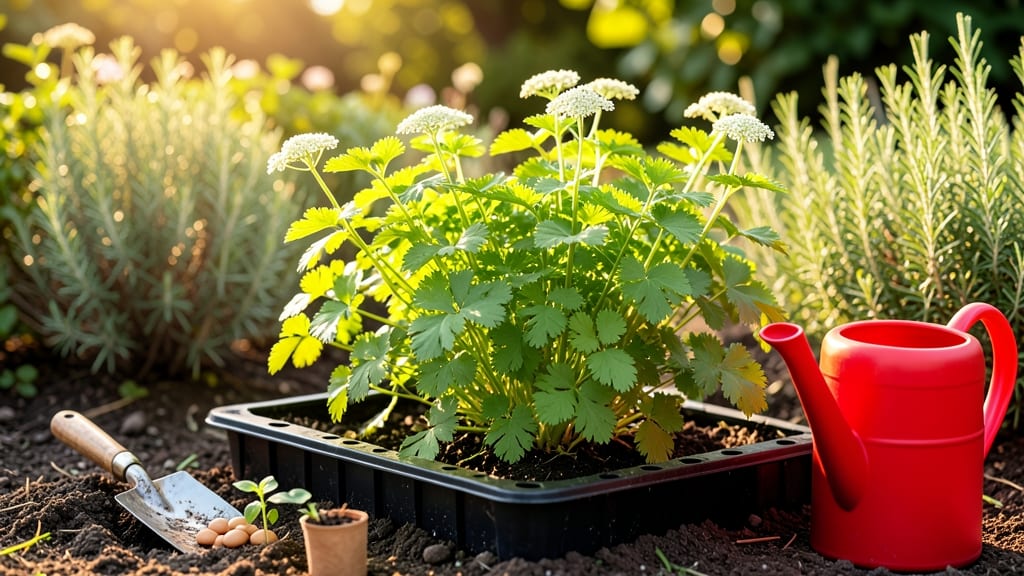
When to plant cilantro in Arizona isn’t just about avoiding bolting—it’s about unlocking flavorful harvests that last from fall through winter. With 365 frost-free days, most gardeners assume they can plant anytime, but heat spikes and monsoons turn even the hardiest cilantro bitter faster than you can say "salsa verde."
If you’ve ever planted cilantro in June and watched it bolt into seed within weeks, you know the pain. The secret lies in two narrow windows: February-March and August-September, when temperatures dip just enough to keep your 🌿 thriving.
Phoenix gardeners can push it slightly later, but Flagstaff’s cooler microclimate lets you start earlier—without the risk of wilting.
I’ve tested these windows for years, and the difference is night-and-day. A well-timed planting means 45-day harvests of fresh leaves, not a sad, bitter plant that gives up by July.
Let me show you exactly how to align your schedule with Arizona’s quirks—so you can enjoy cilantro that tastes like it belongs in a restaurant, not a compost bin.
We’ll cover soil prep, shade tricks, and even which cilantro varieties actually survive Arizona’s heat. Trust me, once you master this, your herb garden will be the envy of every foodie in the state.
Best Arizona cilantro planting windows: pre-monsoon & fall timing explained
Arizona’s two distinct cilantro planting windows align with its cool-season preferences and heat sensitivity. Unlike many herbs, cilantro thrives in mild temperatures (50°F–75°F)—any hotter, and it bolts (goes to seed) or tastes bitter.
The key is planting before summer heat peaks or after monsoon rains cool things down.
Your best bets are February–March (pre-monsoon) and August–September (fall). These windows avoid the 100°F+ temperatures that trigger bolting. Phoenix gardeners, for example, should plant late August to harvest before October’s heat spikes, while Flagstaff’s cooler climate allows March plantings to extend into May.
Here’s the critical timing breakdown for Arizona’s two primary planting windows, including soil prep and microclimate adjustments to maximize success:
| Planting Window | Ideal Months | Temperature Range | Soil Prep | Microclimate Tips |
|---|---|---|---|---|
| Pre-Monsoon | February–March | 50°F–75°F | Loosen soil, add compost | Low deserts: Use shade cloth; high deserts: Plant near water sources |
| Fall | August–September | 60°F–80°F | Mulch to retain moisture | Succession plant every 2 weeks for continuous harvests |
| Avoid | April–July | Above 85°F | N/A (bolting risk) | Use containers with shade; harvest quickly |
For February–March plantings, focus on soil preparation first. Cilantro prefers well-draining, slightly acidic soil (pH 6.2–6.8). Work in 2–3 inches of compost and avoid fresh manure, which can cause bolting.
In low-desert areas like Tucson, plant cilantro under 30% shade cloth to protect it from late-winter heat spikes.
Your August–September window is all about succession planting to beat the heat. Start seeds indoors 4–6 weeks before your target outdoor date, then transplant seedlings every 2 weeks until mid-October.
This ensures a continuous harvest before temperatures drop too low. In higher elevations like Sedona, you can extend plantings into early October thanks to cooler nights.
Why do late spring/early summer plantings fail? Cilantro’s bolting threshold is 85°F—once temps hit 90°F+, it shifts energy from leaves to flowers. Even short heatwaves can trigger bolting in 2–3 weeks.
I’ve seen April plantings in Phoenix go from lush to flowering in 10 days during a 105°F heatwave. The solution? Shade cloth (30–50%) and daily watering to keep roots cool.
Pro tip: Test your microclimate by checking shade patterns in your garden. A spot that’s shady at noon (when the sun is strongest) is ideal. Use a sun/shade mapping tool or observe your garden for 2–3 days to identify the best locations.
In urban areas, north-facing walls or container gardens on patios often work best.
If you’re new to Arizona gardening, start with container-growing cilantro to test your timing. Pots give you mobility—move them to shadier spots during heatwaves or brighter areas in winter. Use 5–7 inch pots with drainage holes and a lightweight potting mix to prevent waterlogging, which stresses cilantro roots.
Remember, consistent moisture is non-negotiable. Cilantro has shallow roots and wilts quickly in dry soil. Water deeply 2–3 times per week (more in summer) and mulch heavily to retain humidity.
In low-desert climates, morning watering is critical—it reduces evaporation and prevents fungal diseases like downy mildew, which thrives in Arizona’s high humidity.
With these two planting windows and microclimate adjustments, you’ll avoid the bitter, bolted cilantro that plagues so many
How to prevent cilantro bolting in Arizona’s heat: shade & succession planting hacks
Arizona’s 100°F+ temperatures trigger cilantro to bolt faster than you can say "taco night." But with the right strategies, you can extend harvests by 4-6 weeks—even in summer. The key? Shade, timing, and smart plantings tailored to Arizona’s microclimates.
Bolting happens when cilantro senses heat stress and shifts energy from leaves to flowers. In Phoenix, this can occur in just 10-14 days if planted too early. Meanwhile, Flagstaff’s cooler nights give you a 2-week grace period. Here’s how to outsmart the heat.
⚠️ When to Plant Cilantro in Arizona
Avoid April-July plantings—bolting is inevitable. Instead, aim for these heat-beating windows:
- Pre-monsoon (Feb 15–March 15): Cooler temps + evening shade = success
- Post-monsoon (Aug 20–Sept 30): Shade cloth + daily watering = 6-week harvests
- Winter (Dec 1–Jan 31): Frost-free zones let you grow year-round with row covers
For urban gardeners with limited space, container growing is your best bet. Use 5-gallon pots with 3-4 plants per container—this mimics the crowding cilantro loves and delays bolting by 20-30%. Place pots in morning sun, afternoon shade (e.g., under a patio awning).
Spot bolting early by checking for tall, thin stems and yellowing leaves. If you catch it before flowering, prune the top 2 inches and redirect energy to leaf growth. For advanced cases, harvest all leaves immediately—the plant may recover for 1-2 more harvests before dying back.
Succession planting every 2 weeks ensures a steady supply. In September-October, sow new seeds while harvesting from earlier plantings. Use shade cloth (30-50%) to block midday sun (11 AM–3 PM)—this can add 3-4 weeks to your harvest window.
Pro tip: Mulch heavily with straw or wood chips to keep roots cool. In Phoenix’s Zone 9b, this method has kept my cilantro producing for 8 weeks straight in summer. Pair with drip irrigation to avoid wetting leaves (which invites fungal diseases).