
Plants
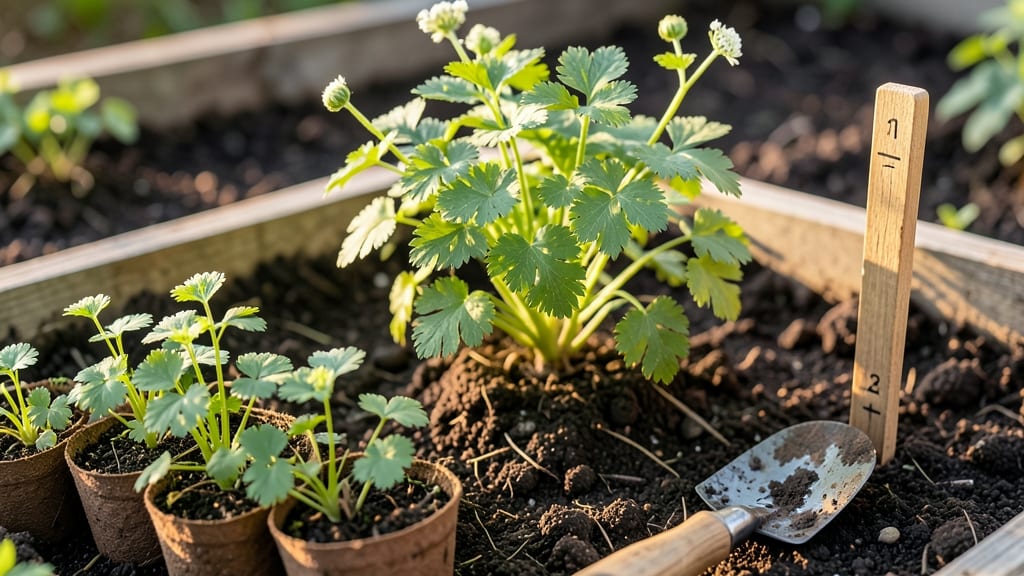
Timing cilantro planting in North Carolina can make or break your harvest—get it wrong, and you'll end up with bitter leaves or wasted effort. The key is understanding how USDA zones 7a-8b affect your 🌿 cilantro's growth cycle, especially since this herb bolts (goes to seed) faster in heat.
Most gardeners in NC get two chances: early spring (March-April) and late summer (August-September). But the real secret lies in your specific county's microclimate—Coastal areas can plant weeks earlier than the Mountains, while Piedmont zones need shade strategies to prevent bolting before May.
I've tested these windows across North Carolina, and the difference between a thriving cilantro patch and a failed experiment often comes down to two simple factors: waiting until after your last frost date (usually mid-March) and avoiding summer's 80°F+ temperatures that trigger bolting.
What you'll discover here are the exact planting dates tailored to your NC region, plus pro tips to extend your harvest through fall. Let's get your cilantro growing right—no more wasted seeds or bitter surprises!
NC heat Zone planting calendar: exact dates for cilantro success
North Carolina’s diverse heat zones (USDA 5b-8a) create unique challenges for growing cilantro. In the Piedmont region (Zones 7a-7b), spring planting should begin 4-6 weeks before last frost, while Coastal areas (Zone 8a) can start as early as mid-February.
Mountain regions (Zone 6a) face later planting windows due to cooler temperatures. The key is avoiding bolting from heat stress—cilantro thrives at 60-75°F and struggles above 80°F.
For spring harvests, aim to plant cilantro seeds 2-3 weeks before your average last frost date. In most of NC, this means late February to early March for Coastal areas and March to early April for Piedmont and Mountain regions.
A second planting in late summer (August) ensures a fall harvest before first frost hits in November. This two-pronged approach maximizes your fresh cilantro supply while avoiding the brutal summer heat.
Here’s your county-specific planting calendar with exact windows, harvest timing, and temperature thresholds to keep cilantro happy and productive:
In Coastal NC, where warmer temperatures arrive earlier, cilantro can handle slightly later spring plantings up to March 15. However, the Coastal heat means you’ll need to harvest quickly or transition to shade cloth by late May to prevent bolting.
For Piedmont gardeners, the April 1 planting window is critical—delaying until mid-April risks heat stress by June, when temperatures often exceed 85°F.
Mountain regions like Asheville and Boone have the latest planting windows due to cooler springs. Here, cilantro can often survive summer heat if planted in partial shade and kept well-watered.
The August 15 fall planting is especially important here, as first frost typically arrives by November 1, giving you a 6-week harvest window before winter sets in.
To extend your harvest, consider succession planting every 2-3 weeks during your region’s ideal window. For example, in Raleigh (Zone 7b), plant March 1, March 15, and April 1 for staggered harvests from May through June.
This method ensures you always have fresh cilantro without the bitter heat-induced flavor that plagues summer plantings.
For urban gardeners in cities like Charlotte or Greensboro, container gardening with <
5 Pro tips to extend cilantro’s growing season in NC heat
North Carolina’s summer heat turns cilantro into a finicky diva—bolting too fast or tasting bitter. The key? Beat the heat with smart strategies that keep your plants happy and productive. I’ve grown cilantro in Raleigh’s Zone 7b and Asheville’s Zone 7a, and these tricks work every time.
Let’s dive into the top 5 heat-proofing tactics to enjoy fresh cilantro from spring to fall.
First, pick the right varieties—some cilantro is bred to handle NC’s heat better than others. ‘Slow Bolt’ cilantro and ‘Calypso’ stay fresh longer in warm weather, while standard varieties bolt within weeks.
I swear by ‘Santo’ for its slow bolting and strong flavor, even when temps hit 90°F+. Plant these in late summer (August) for a fall harvest before the first frost.
🌿
- 1
- 2
- 3
- 4
- 5
Don’t overlook soil prep—cilantro hates soggy roots but wilts in dry soil. Amend your beds with compost and perlite to improve drainage. In clay-heavy soils like those in Piedmont NC, I mix in sand or coconut coir to prevent compaction.
Test your soil’s pH too; cilantro prefers 6.2–6.8.
For urban gardeners, container growing is a game-changer. Fill pots with potting mix + worm castings and place them on drip trays to catch excess water. My cilantro in 10-inch pots on the patio stays lush all summer—just rotate them weekly for even growth.
Add a lightweight shade sail if temps exceed 85°F.
💧