
Plants
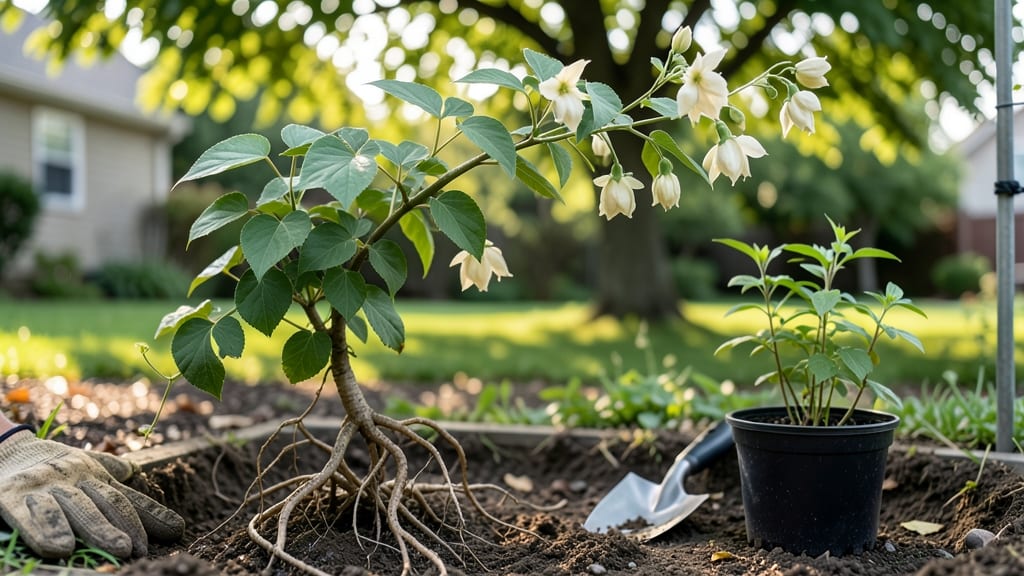
Timing your clematis planting in Colorado can make all the difference between vibrant blooms and struggling vines—especially with our dramatic elevation shifts and unpredictable frost dates.
Whether you're in Denver's urban heat island or the cooler high country near Aspen, knowing when to plant clematis means accounting for soil temperature, local microclimates, and your specific elevation zone. The wrong timing could leave your 🌸 vulnerable to late frosts or summer heat stress.
Most gardeners swear by early spring planting, but Colorado's diverse zones actually allow for two optimal windows: March-April for lower elevations and September-October for high-altitude areas. I'll break down exactly what to watch for in each scenario.
Ready to set your clematis up for success? Let's dive into the best months by elevation, plus soil prep secrets that'll have your vines thriving in Colorado's challenging climate.
Optimal planting months for clematis in Colorado by elevation zone
Colorado's dramatic elevation changes—from Denver's 5,280 feet to mountain towns like Telluride at 8,750 feet—create distinct planting windows for clematis. The key is matching your last frost dates with soil temperatures that support root establishment.
At lower elevations, you'll plant earlier, while high-altitude gardeners should wait until after the final frost threat has passed.
For Front Range cities like Denver, Colorado Springs, and Fort Collins (5,000–6,500 feet), your planting window opens in March through early April. This gives roots time to establish before summer heat arrives.
Meanwhile, Western Slope areas like Grand Junction (4,800 feet) can plant slightly earlier—late February to March—thanks to milder winters.
High-altitude regions (7,000–9,000 feet), including Aspen, Breckenridge, and Leadville, have shorter growing seasons. Here, September to early October becomes your best window, allowing roots to settle before winter dormancy. The first frost typically arrives in mid-October at these elevations, so timing is critical.
🌸
| Elevation Zone | Optimal Planting Month | Soil Temp. Goal | Frost-Free Window | Key Consideration |
|---|---|---|---|---|
| Front Range (5,000–6,500 ft) | March–Early April | 45–55°F | April 15–May 15 | Avoid late frosts; mulch heavily |
| Western Slope (4,800–6,000 ft) | Late February–March | 40–50°F | March 20–April 10 | Drier climate; water deeply after planting |
| High Altitude (7,000–9,000 ft) | September–Early October | 50–60°F | September 1–October 10 | Short season; protect from early frosts |
Soil preparation is just as critical as timing. For spring planting, aim to work the soil 4–6 weeks before your target date. Amend with compost or aged manure to improve drainage—clematis roots hate soggy soil.
In high-altitude zones, add a 2-inch layer of mulch after planting to insulate roots during temperature swings.
If you're planting in fall (September–October), focus on soil moisture retention. Mix in organic matter like leaf mold to hold water during Colorado's dry autumns. Avoid working wet soil, which can compact and suffocate roots. A soil thermometer is your best friend—wait until temperatures stay above 50°F consistently.
Pro tip: Container growing extends your planting window in unpredictable zones. Use 10+ gallon pots with drainage holes and plant in late April or early May when nighttime temps stay above 40°F. This gives you flexibility if frost dates shift unexpectedly.
🌿
One common mistake? Planting too deep. Clematis crowns should sit 2–3 inches below soil level—any deeper and they'll rot. Mark your planting hole with a stake to track depth. Pair this with a support structure (trellis or arbor) installed at planting time to avoid disturbing roots later.
For Denver-area gardeners, I recommend Clematis 'Jackmanii' for reliability—it blooms on new wood, so even if winter damage occurs, you'll still get flowers. In high-altitude zones, opt for hardy varieties like 'Niobe', which tolerates colder soils and shorter seasons.
Finally, don't forget to water deeply after planting, then taper off as roots establish. In Front Range summers, supplement with drip irrigation to keep soil consistently moist. High-altitude areas may need less frequent watering due to cooler temps and lower evaporation.
☀️
Signs your Colorado climate is ready for clematis planting (and what to watch for)
Colorado's unpredictable frost dates and elevation-driven microclimates make timing critical for clematis success. Unlike many plants, clematis thrives when planted after the last frost but before summer heat stress kicks in.
In Denver's 5,280 ft elevation, this typically means late March to early April, while Aspen's 7,900 ft pushes ideal planting to May or even early June.
Your local soil temperature is the #1 indicator—clematis roots need at least 50°F (10°C) for 2-3 weeks before planting. Use a soil thermometer to check 6 inches deep.
In Colorado Springs, this often aligns with mid-April, but mountain areas like Breckenridge may wait until late May when snowmelt finally warms the ground.
Watch for these 3 key climate signals before planting: consistent daytime highs above 60°F (15°C), nighttime lows above 40°F (4°C), and dry, workable soil. In my Denver garden, I never plant until I see dandelions blooming—their resilience signals stable spring conditions for clematis.
⚠️ callout warning ⚠️
⚠️ Colorado-Specific Risks to Avoid
Late frosts: May 15 is your cutoff in most Front Range areas—plant too early and your clematis could get frost damage to new growth. Aspen's last frost often hits June 10, delaying planting by weeks.
Hail storms: Colorado's late spring hail (May-June) can shred tender clematis leaves. Choose trellis locations near windbreaks or overhanging structures to protect young vines.
Soil moisture extremes: Arid plains (like Fort Collins) dry out fast—mulch heavily with straw or wood chips. Mountain areas (like Telluride) may stay soggy—amend with compost to improve drainage.
For fall planting (ideal for high-altitude areas), aim for 6-8 weeks before first frost. In Colorado Springs, this means late August to early September, while Aspen's shorter season shrinks the window to mid-September. Fall-planted clematis establishes roots before winter, giving you a head start next spring.
Pay attention to local microclimates—even within cities. My Denver backyard (urban heat island) warms 5-7°F hotter than nearby Boulder County.
Use neighborhood planting guides or check Colorado State University Extension frost maps for your exact ZIP code. Western Slope areas like Grand Junction can plant 2-3 weeks earlier than Front Range cities.
Finally, test your soil's pH—clematis prefers 6.5-7.0. Colorado's alkaline soils often need sulfur or peat moss to acidify. Amend your planting hole with compost and bone meal for phosphorus, then water deeply. With these signs in mind, your clematis will thrive in Colorado's challenging climate. 🌸